
-
- Digital Marketing
-
 Perf. Marketing
 E-mail Marketing
 PPC Services
 Video Marketing
 Influencer Marketing
- Social Media
 Facebook Marketing
 Instagram Marketing
 Twitter Marketing
 Pinterest Marketing
 TikTok Marketing


-
- Digital Marketing
-
Perf. Marketing
- E-mail Marketing
- PPC Services
- Video Marketing
- Influencer Marketing
- Social Media
- Facebook Marketing
- Instagram Marketing
- Twitter Marketing
- Pinterest Marketing
- TikTok Marketing
Blog
Why Does Your Website Need an XML Sitemap? Complete SEO Guide
.webp)
Want a Quick Summary?
Summarize this article instantly with ChatGPT.
Publishing high-value content, designing responsive layouts, and building authoritative backlinks are essential digital marketing initiatives. However, if search engine crawlers cannot systematically discover, access, and interpret your URLs, your organic search performance will stall before reaching its potential. This is where an XML sitemap plays a critical role in your technical infrastructure.
An XML sitemap functions as an authoritative directory of your website designed specifically for search engine bots like Googlebot and Bingbot. Understanding why your website needs an XML sitemap ensures your technical foundation supports fast indexation, preserves crawl budget, and protects your organic search visibility.
1. Accelerated Discovery of New Content and Products
Search engines crawl billions of pages daily by navigating between hyperlinks. If your site does not provide an XML sitemap, search crawlers must rely solely on following internal links from previously indexed pages or discovering external inbound links.
When you publish fresh service pages, launch a seasonal product line, or post breaking informational articles, an XML sitemap notifies search engines immediately. Rather than waiting weeks for Googlebot to encounter an internal text link during routine recrawling, a sitemap places your new URL directly into the crawl queue for prompt evaluation.
2. Prevention of Orphan Pages and Discovery of Deep Architecture
As websites expand, architectural complexity inevitably increases. Subpages often become buried deep within navigational hierarchies, requiring four, five, or more clicks from the homepage to reach:
- Nested Categorization: Deeply nested e-commerce catalogs or archived blog topics frequently receive weak internal PageRank flow, causing search crawlers to deprioritize them.
- Accidental Orphan Pages: CMS template changes or menu revisions can leave valuable URLs with zero internal links pointing to them. Without a sitemap, search engines have virtually no way to locate these disconnected pages.
- Sitemap Safety Net: An XML sitemap acts as a permanent technical safety net. By listing all definitive, canonical URLs in your sitemap, you guarantee that even deep or temporarily disconnected pages remain on Googlebot's discovery radar.
3. Efficient Crawl Budget Management
Search engines allocate a finite amount of computing and bandwidth resources to crawl any domain, an operational limit known as crawl budget. If crawlers spend their allocated requests navigating duplicate filters, search parameters, or broken links, they run out of crawl capacity before reaching your revenue-generating pages.
A well-maintained XML sitemap directs search bots strictly to 200 OK canonical destinations. Supplying a clean list of primary URLs allows search engines to prioritize their crawl capacity on the assets that directly drive search impressions and client leads.
4. Accurate Content Freshness Signals via the <lastmod> Tag
Search engines strive to display the most accurate, current information to searchers. The XML sitemap protocol includes a dedicated <lastmod> timestamp that communicates exactly when a webpage was modified:
<url>
  <loc>https://www.yourdomain.com/technical-guide/</loc>
  <lastmod>2026-10-17T09:00:00+00:00</lastmod>
</url>
When you update existing pages with fresh data, new pricing, or expanded technical tutorials, updating the <lastmod> tag alerts search bots that content has changed. Googlebot uses this metadata to prioritize recrawling updated URLs over static, unchanged pages, speeding up the ranking benefits of content refreshes.
5. Critical for Newly Launched Websites
New websites face unique indexation hurdles. Because a newly registered domain possesses few referring domains and external backlinks, search engines have minimal natural entry points into the site architecture.
For a new domain, waiting for search bots to discover pages organically through third-party links can take months. Generating an XML sitemap and submitting it directly to Google Search Console and Bing Webmaster Tools provides crawlers with an immediate roadmap, establishing initial index coverage rapidly.
6. Essential for Enterprise and E-Commerce Catalogs
Large websites featuring tens of thousands of dynamic URLs experience constant inventory turnover, seasonal categories, and faceted filtering options. Without structured sitemap management, search bots face several major obstacles:
- Crawlers get trapped in dynamic sorting parameters (such as color, size, or price sorting), causing severe index bloat.
- Discontinued products remain indexed, creating frustrating dead ends for searchers.
- Newly launched product variations remain unindexed for extended periods due to crawl queue backlog.
By organizing large platforms into specialized sitemap index files, e-commerce managers can feed structured catalogs directly to search bots while excluding faceted parameter noise.
7. Support for Media Extensions and Rich Results
XML sitemaps support specialized schema extensions that allow you to provide direct metadata for non-text assets:
| Sitemap Extension | Provided Metadata | Search Benefit |
|---|---|---|
| Image Sitemaps | Subject matter, caption, title, geo-location, licensing data | Improves rankings and visibility in Google Images search tabs |
| Video Sitemaps | Thumbnail path, title, description, play duration, view count | Qualifies embedded videos for video rich snippets in SERPs |
| Google News Sitemaps | Publication name, language, publication date, title | Ensures real-time inclusion in Google News for certified media outlets |
Diagnosing Technical Indexing Issues in Search Console
Submitting an XML sitemap inside Google Search Console provides diagnostic clarity regarding site health. GSC compares the total number of URLs submitted in your sitemaps against the total number of URLs actually indexed.
If you submit 1,000 URLs via your sitemap but Google only indexes 300, Search Console will identify the specific technical discrepancies, such as Crawled - currently not indexed exclusions, canonical mismatches, or soft 404 errors. This allows technical teams to isolate and resolve underlying crawl roadblocks quickly.
Building a Clean, Protocol-Compliant Sitemap
An XML sitemap must follow strict formatting rules defined by sitemaps.org. Submitting files containing broken links, redirect chains, or non-canonical variations sends contradictory signals to search bots.
To establish a clean, compliant sitemap for custom websites, headless architectures, or static deployments, using a dedicated free XML sitemap generator ensures your exported files adhere to protocol limits (under 50,000 URLs and 50MB) and contain only valid 200 OK canonical addresses ready for search console verification.
Establish Your Digital Roadmap
An XML sitemap is not merely an optional technical document; it is a fundamental communication bridge between your web server and search engine crawlers. By submitting an accurate sitemap, maintaining correct lastmod dates, keeping non-canonical bloat out of the feed, and monitoring Search Console reports regularly, you ensure search engines discover, crawl, and index the authoritative content that fuels your business growth.
Looking for Measurable Business Growth?
Partner with BrandStory for end-to-end digital & creative excellence.


Are You Looking for Growth?
Free instant digital marketing audit and improve performance.
Get Graded Today
Transform Your Digital Growth with BrandStory
From SEO, PPC, social media marketing, and content marketing to website development, branding, and lead generation, BrandStory delivers result-driven digital marketing services in Dubai and across the UAE, helping businesses attract, engage, and convert more customers.
Trusted by 1000+ leading brands in Dubai and globally including:




Related Blogs
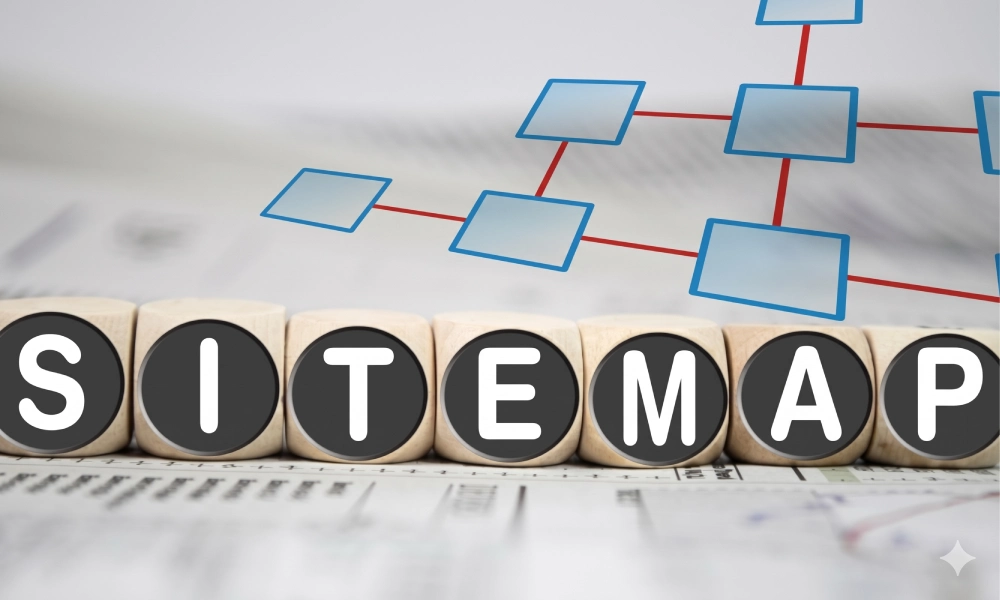
How to Create a Sitemap for Wix, Webflow, or Custom Websites
Search engines crawl billions of pages daily by traversing hyperlinks across the web. However, if your website relies ...
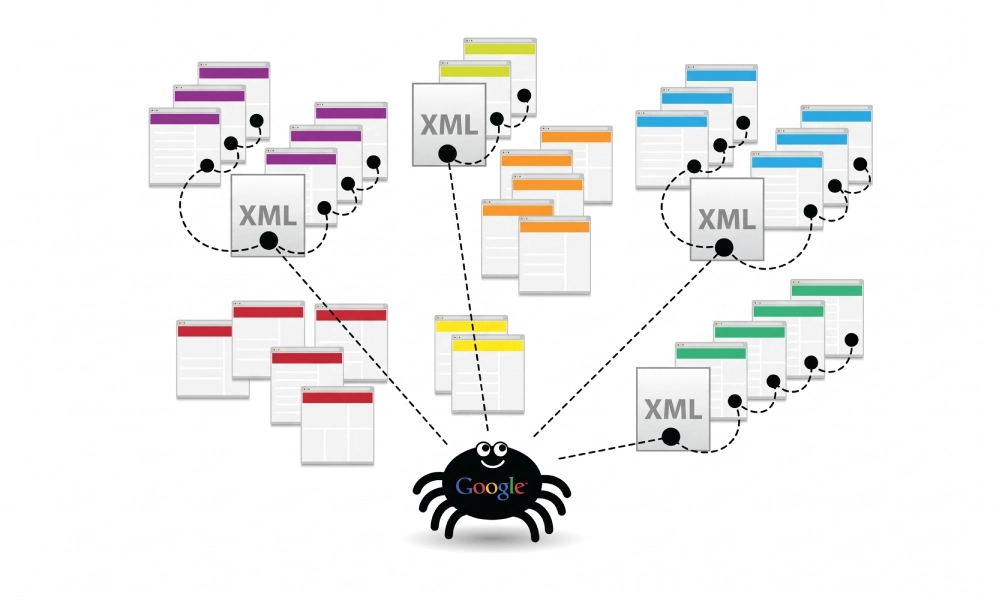
How to Create a Sitemap for Shopify: Setup and Submission Guide
For e-commerce merchants running stores on Shopify, search engine visibility is directly tied to store revenue. If sea...
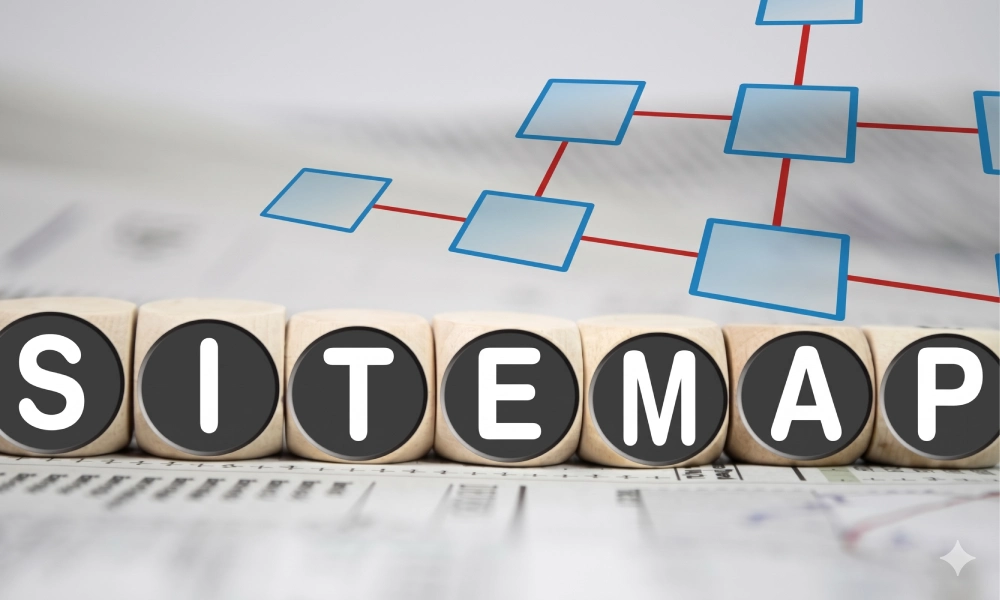
How to Create a Sitemap for WordPress: Step-by-Step Guide
An XML sitemap is a critical technical blueprint for any WordPress website. It serves as a direct, structured director...
.webp)
How to Find and Fix Broken Links That Hurt Your Sitemap
An XML sitemap is supposed to represent the definitive inventory of your highest-value, fully functioning web pages. W...
.webp)
Crawl Budget: How Sitemaps Help Search Engines Crawl Your Site
Every website operates under computing and bandwidth constraints, and search engines like Google and Bing are no excep...
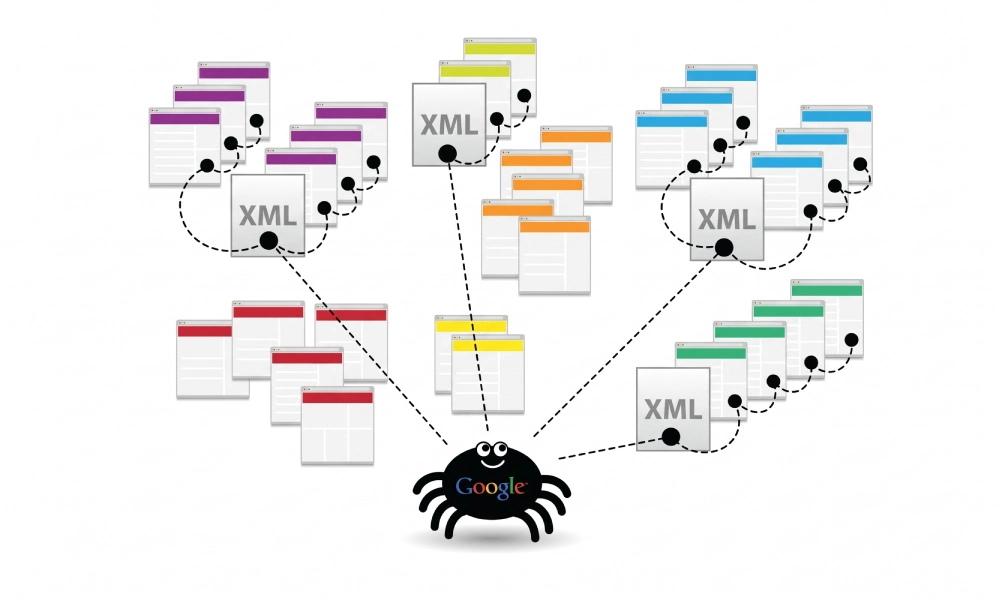
Why Google Is Not Indexing Your Pages (and How a Sitemap Helps)
Publishing high-quality content or launching an e-commerce catalog does not guarantee automatic inclusion in Google se...

