
-
- Digital Marketing
-
 Perf. Marketing
 E-mail Marketing
 PPC Services
 Video Marketing
 Influencer Marketing
- Social Media
 Facebook Marketing
 Instagram Marketing
 Twitter Marketing
 Pinterest Marketing
 TikTok Marketing


-
- Digital Marketing
-
Perf. Marketing
- E-mail Marketing
- PPC Services
- Video Marketing
- Influencer Marketing
- Social Media
- Facebook Marketing
- Instagram Marketing
- Twitter Marketing
- Pinterest Marketing
- TikTok Marketing
Blog
What Is an XML Sitemap? Complete Guide to Sitemap Architecture

Want a Quick Summary?
Summarize this article instantly with ChatGPT.
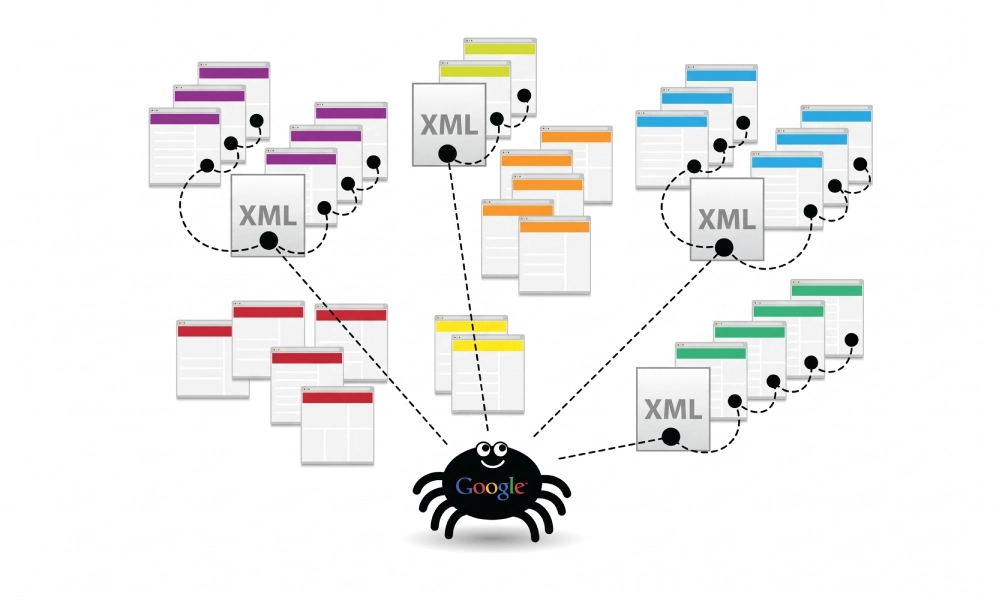
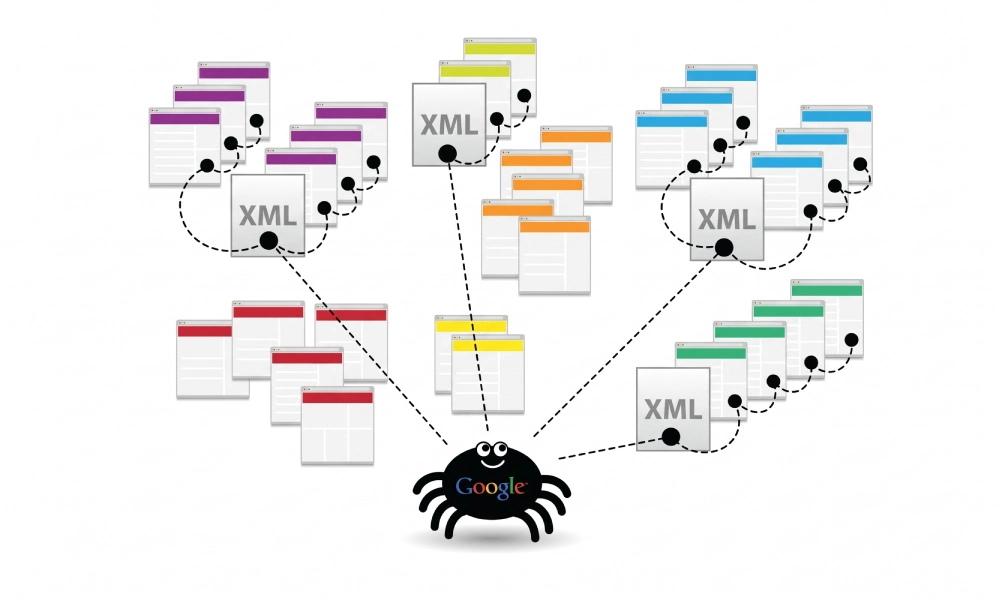
An XML sitemap is a machine-readable document hosted on a web server that lists all authoritative, canonical URLs across a domain. Written in Extensible Markup Language (XML), it serves as a roadmap designed specifically for search engine bots like Googlebot and Bingbot, providing them with structured data about each webpage, including when it was last modified, how frequently it changes, and how it connects to other site assets.
Without an XML sitemap, search engines must discover your content entirely through internal and external hyperlinks. On large e-commerce platforms, complex dynamic portals, or brand-new websites with few backlinks, valuable pages can easily remain undiscovered. Understanding what is an XML sitemap and how to implement it correctly ensures search crawlers allocate their resources efficiently and index your primary pages without unnecessary delays.
XML Sitemap vs. HTML Sitemap: What Is the Difference?
While both serve navigation purposes, they are designed for completely different audiences:
- XML Sitemap: Built exclusively for search engine crawlers. It contains structured metadata, follows strict XML protocols, and is hosted at a location like
yourdomain.com/sitemap.xml. Visitors rarely see this document. - HTML Sitemap: Designed for human website visitors. It is typically formatted as an organized list of links in the website footer to help users navigate categories and browse key pages easily.
Why XML Sitemaps Are Essential for Technical SEO
Search engines crawl billions of pages daily, operating under computing and time constraints known as crawl budget. Providing a clean XML sitemap delivers several technical benefits:
- Faster Discovery of New Content: When you publish a new article or launch a service page, adding it to your sitemap allows search bots to find and index it immediately rather than waiting for an internal link recrawl.
- Prioritizing High-Value URLs: Directing crawlers only to canonical 200 OK pages keeps bots from wasting crawl capacity on search filters, dynamic sorting parameters, or staging URLs.
- Accurate Recrawl Scheduling via <lastmod>: The
<lastmod>timestamp informs search engines when page copy or media has actually changed, signaling to crawlers when a page warrants a fresh visit. - Discovering Orphan and Deep Pages: Pages nested four or more clicks away from the homepage often receive minimal crawl attention. Sitemaps ensure deep URLs remain visible to search engine bots.
Understanding Standard XML Sitemap Tags and Syntax
An XML sitemap follows universal protocol standards maintained by sitemaps.org. Here is a basic code example containing a single URL entry:
<?xml version="1.0" encoding="UTF-8"?>
<urlset xmlns="http://www.sitemaps.org/schemas/sitemap/0.9">
  <url>
    <loc>https://www.yourdomain.com/services/</loc>
    <lastmod>2026-10-17T08:00:00+00:00</lastmod>
    <changefreq>weekly</changefreq>
    <priority>0.8</priority>
  </url>
</urlset>
The standard tags in an XML sitemap include:
<urlset>(Required): The root tag that encapsulates the entire file and specifies the current XML protocol schema.<url>(Required): The parent container tag for each individual URL listing.<loc>(Required): The absolute, canonical URL of the webpage. It must include the correct protocol (HTTP or HTTPS) and match your site's domain structure exactly.<lastmod>(Optional but Critical): The date of the last content update in W3C Datetime format (YYYY-MM-DD). Google uses this tag heavily to prioritize recrawling.<changefreq>and<priority>(Optional): Historically used to hint at update frequency and page importance. Modern search engines like Google largely ignore these two fields in favor of their own predictive algorithms.
Sitemap Index Files: Managing Large Websites
The sitemap protocol enforces two hard technical boundaries on any single file: a maximum of 50,000 URLs and an uncompressed file size limit of 50MB. If your website exceeds either limit, you must split your entries across multiple child sitemaps and reference them inside a parent Sitemap Index File:
<?xml version="1.0" encoding="UTF-8"?>
<sitemapindex xmlns="http://www.sitemaps.org/schemas/sitemap/0.9">
  <sitemap>
    <loc>https://www.yourdomain.com/post-sitemap.xml</loc>
    <lastmod>2026-10-16</lastmod>
  </sitemap>
  <sitemap>
    <loc>https://www.yourdomain.com/product-sitemap.xml</loc>
    <lastmod>2026-10-17</lastmod>
  </sitemap>
</sitemapindex>
Specialized XML Sitemap Extensions
In addition to standard HTML web pages, XML schemas support specialized media extensions to feed structured metadata directly to search engine verticals:
- Image Sitemaps: Supply image captions, geographic titles, and licensing metadata to boost performance in Google Images.
- Video Sitemaps: Provide thumbnail locations, video run durations, view counts, and expiration dates to qualify for video SERP snippets.
- Google News Sitemaps: Dedicated files for certified publishers containing articles published within the previous 48 hours to secure placement in Google News feeds.
What to Include vs. What to Exclude
A sitemap should represent a curated list of pages you actively want indexed and ranked. Including broken, redirected, or private URLs sends conflicting signals to search algorithms.
| Page Category | Include in Sitemap? | Reasoning |
|---|---|---|
| Canonical Service & Product Pages (200 OK) | Yes | Core commercial URLs that generate search visibility and conversions. |
| Redirected URLs (301 / 302) | No | Consumes extra crawl hops; sitemaps should link only to final destinations. |
| Broken Pages (404 / 410) | No | Signals poor site maintenance and wastes search crawler resources. |
Noindexed Pages (noindex) |
No | Creates conflicting instructions between sitemap inclusion and noindex tags. |
| Faceted Navigation / Filter Strings | No | Dynamic parameter combinations lead to index bloat. |
| Utility Pages (Cart, Checkout, Admin) | No | Private functional pages that offer zero search value to public users. |
How to Generate and Validate an XML Sitemap
Depending on your technical setup, you can generate an XML sitemap through several methods:
- Content Management Systems: Platforms like WordPress generate sitemaps automatically using plugins (Rank Math, Yoast SEO), while Shopify and Webflow output native dynamic sitemaps at
/sitemap.xml. - Custom Web Frameworks: Modern React and Next.js applications build dynamic sitemaps at request or build time using server routes.
- Dedicated Generator Tools: For custom websites, legacy architectures, or static deployments needing a clean baseline file, you can quickly build and validate compliant sitemaps using a free XML sitemap generator to export standard XML structures ready for server deployment.
How to Submit Your XML Sitemap to Search Engines
Once your sitemap file is hosted on your web server, make sure search engine crawlers find it:
- Submit to Google Search Console:
Log into Google Search Console, navigate to Indexing > Sitemaps, enter your sitemap URL (e.g.,
sitemap_index.xml), and click Submit. - Submit to Bing Webmaster Tools:
Open Bing Webmaster Tools, select Sitemaps from the left navigation panel, click Submit sitemap, and enter your full URL.
- Declare in Robots.txt:
Add an absolute directive at the end of your
robots.txtfile so all compliant search crawlers discover your file automatically upon arrival:Sitemap: https://www.yourdomain.com/sitemap_index.xml
Maintain Clean Crawl Signals
An XML sitemap is a foundational component of modern technical SEO. By ensuring your sitemap contains only 200 OK canonical landing pages, updating lastmod timestamps accurately whenever content changes, and purging broken or redirected links, you give search engines a direct, efficient path to discover and index the content that drives your website growth.
Looking for Measurable Business Growth?
Partner with BrandStory for end-to-end digital & creative excellence.


Are You Looking for Growth?
Free instant digital marketing audit and improve performance.
Get Graded Today
Transform Your Digital Growth with BrandStory
From SEO, PPC, social media marketing, and content marketing to website development, branding, and lead generation, BrandStory delivers result-driven digital marketing services in Dubai and across the UAE, helping businesses attract, engage, and convert more customers.
Trusted by 1000+ leading brands in Dubai and globally including:




Related Blogs

How to Create a Sitemap for Wix, Webflow, or Custom Websites
Search engines crawl billions of pages daily by traversing hyperlinks across the web. However, if your website relies ...
How to Create a Sitemap for Shopify: Setup and Submission Guide
For e-commerce merchants running stores on Shopify, search engine visibility is directly tied to store revenue. If sea...

How to Create a Sitemap for WordPress: Step-by-Step Guide
An XML sitemap is a critical technical blueprint for any WordPress website. It serves as a direct, structured director...
.webp)
How to Find and Fix Broken Links That Hurt Your Sitemap
An XML sitemap is supposed to represent the definitive inventory of your highest-value, fully functioning web pages. W...
.webp)
Crawl Budget: How Sitemaps Help Search Engines Crawl Your Site
Every website operates under computing and bandwidth constraints, and search engines like Google and Bing are no excep...
Why Google Is Not Indexing Your Pages (and How a Sitemap Helps)
Publishing high-quality content or launching an e-commerce catalog does not guarantee automatic inclusion in Google se...

