


Blog
Off-Page SEO: Boosting Your Website's Authority and Rankings
.webp)
Want a Quick Summary?
Summarize this article instantly with ChatGPT.
Off-page SEO is a crucial aspect of digital marketing that focuses on enhancing a website's authority and visibility through external factors. By building a strong online reputation, businesses can improve their search engine rankings and attract more organic traffic. This involves various techniques such as acquiring quality backlinks, engaging with audiences on social media, and garnering brand mentions across the web. Each of these elements contributes to a website's credibility, helping to establish trust with both users and search engines alike.
Understanding off-page SEO is essential for any business owner or digital marketer looking to boost their online presence. It encompasses activities that occur outside the confines of your website, which can significantly impact your site's performance. By focusing on building relationships, earning backlinks from reputable sites, and maintaining a consistent brand image, you can enhance your site's authority. These efforts not only improve your rankings but also help in fostering a strong community around your brand, leading to increased customer loyalty.
The significance of off-page SEO cannot be overstated in today’s competitive digital landscape. It involves all the actions taken outside of your website that influence your rankings within search engine results. By engaging in strategies like guest blogging, influencer partnerships, and active participation in online forums, you can create valuable backlinks and drive traffic to your site. This holistic approach not only boosts your visibility but also strengthens your brand's reputation, making it a vital component of any effective SEO strategy.
Key Components of Off-Page SEO
Off-page SEO is essential for establishing a website's reputation and authority online. It encompasses various techniques that occur outside of your website, such as building backlinks, engaging on social media, and managing brand mentions. These activities are crucial as they signal to search engines that your site is credible and trustworthy. By focusing on off-page SEO, businesses can improve their search engine rankings and attract more organic traffic, making it a vital component of any comprehensive SEO strategy.
Key elements of off-page SEO include backlinks, social media interactions, and brand visibility. Backlinks serve as endorsements from other websites, enhancing your site's authority. Social media engagement helps expand your reach and connect with your audience, while brand mentions across the web contribute to overall brand recognition. Together, these components create a robust off-page SEO strategy that not only boosts search rankings but also fosters a positive online reputation.
To effectively implement off-page SEO, consider strategies like guest blogging, influencer partnerships, and directory submissions. Guest blogging allows you to reach new audiences and earn quality backlinks, while influencer partnerships can amplify your brand's message. Additionally, submitting your site to relevant directories can improve visibility and drive traffic. These tactics, when executed well, can significantly enhance your off-page SEO efforts and contribute to long-term success.
Effective Off-Page SEO Strategies
To effectively implement off-page SEO, start by building high-quality backlinks. This involves reaching out to relevant websites for guest blogging opportunities, which not only enhances your site's authority but also drives traffic. Another effective strategy is to engage with your audience on social media platforms. Share your content and interact with followers to boost your brand's visibility. Additionally, consider participating in online communities and forums related to your niche, as this can help establish your expertise and attract more backlinks.
Key Off-Page Tactics
Utilizing influencer outreach can significantly enhance your off-page SEO efforts. Collaborate with influencers in your industry to promote your content and gain credibility. Furthermore, directory submissions are a valuable tactic; ensure your business is listed in reputable directories to improve your online presence. Don't overlook the power of online reviews, as positive feedback can enhance your reputation and influence potential customers.
Another actionable strategy is to create shareable content that resonates with your audience. Infographics, videos, and comprehensive guides can attract attention and encourage shares, enhancing your backlink profile. Additionally, consider leveraging press releases to announce significant milestones or updates about your business. This not only informs your audience but can also capture the interest of journalists and bloggers, leading to valuable backlinks.
Implementing Off-Page SEO Techniques
Networking with other businesses can also boost your off-page SEO. Establish partnerships for co-marketing opportunities, which can lead to shared audiences and mutual backlinks. Regularly monitoring your backlink profile is essential; use tools to assess the quality of your links and identify any harmful ones that may need disavowing. Lastly, stay updated on industry trends to adapt your off-page strategies effectively.
Core Components of Off-Page SEO
Engaging in content syndication is another effective tactic. Share your articles on platforms like Medium or LinkedIn to reach a wider audience and drive traffic back to your site. Additionally, consider hosting webinars or podcasts that can establish your authority in your field. This not only helps in building your brand but also attracts backlinks from those who reference your content in their own platforms.
Utilizing Automation in Off-Page SEO
It's crucial to remain consistent in your off-page SEO efforts. Regularly publish new content and engage with your audience to maintain visibility. Tracking your progress through analytics will help you understand what's working and what needs adjustment. Implementing a mix of these strategies can create a robust off-page SEO approach that enhances your website's authority and search engine rankings.
Evaluating Off-Page SEO Success
Lastly, consider using outreach tools to streamline your efforts in acquiring backlinks. These tools can help you identify potential partners and track your outreach campaigns. Additionally, creating a content calendar can ensure a steady flow of fresh content, keeping your audience engaged and improving your off-page SEO over time. By combining these strategies, you can develop a comprehensive off-page SEO plan that drives results.
Challenges in Off-Page SEO
Off-page SEO presents several challenges that can hinder a website's success. One significant issue is the quality of backlinks. Low-quality or spammy links can damage your site's reputation and search engine rankings. It's crucial to focus on acquiring high-quality links from reputable sources to build authority. Additionally, competition in your niche can be fierce, making it challenging to stand out. To counter this, businesses should invest time in unique content creation and effective outreach strategies. Maintaining a consistent brand presence across various platforms is another hurdle. Inconsistent branding can confuse potential customers and dilute your message. Regularly monitoring your brand mentions and engaging with your audience can help solidify your brand identity and presence online.
Common Obstacles in Off-Page SEO
Another common challenge in off-page SEO is adapting to the ever-changing landscape of search engine algorithms. These updates can affect how your off-page efforts are evaluated, often requiring quick adjustments to your strategies. Staying informed about algorithm changes and industry trends is essential for ongoing success. Moreover, managing social media engagement can be difficult. It's not just about posting content but also about creating meaningful interactions with your audience. Brands must be proactive in responding to comments and messages to foster community and loyalty. Lastly, measuring the effectiveness of off-page SEO efforts can be complex. Utilizing analytics tools to track referral traffic and engagement metrics can provide insights into what works and what needs improvement.
Hurdles in Off-Page SEO
Link building remains a central challenge in off-page SEO. Many businesses struggle to obtain quality backlinks, often resorting to ineffective or unethical methods that can lead to penalties. Instead, focus on building relationships within your industry to earn valuable links naturally. Another common issue is the neglect of local SEO elements. Many companies overlook the importance of local backlinks and citations, which can greatly impact visibility in local search results. Engaging with local communities and participating in local events can enhance your local presence. Additionally, the lack of a cohesive off-page strategy can lead to missed opportunities. Businesses should develop a comprehensive plan that integrates various off-page tactics for optimal results.
Recognizing Off-Page SEO Challenges
The challenge of staying relevant in off-page SEO cannot be underestimated. As trends and consumer behaviors shift, your strategies must evolve accordingly. Regularly updating your tactics to align with current best practices is essential for maintaining visibility. Moreover, brands often face difficulties in measuring the ROI of their off-page efforts. It can be challenging to attribute traffic and conversions directly to off-page activities. Utilizing UTM parameters and tracking tools can help clarify the impact of your off-page strategies. Finally, managing online reputation is a significant concern. Negative reviews or mentions can tarnish a brand's image. Implementing a robust reputation management strategy can help mitigate these risks and promote a positive online presence.
Resources for Off-Page SEO Success
One of the most significant challenges in off-page SEO is ensuring link diversity. Relying too heavily on a few sources can create a risk if those links are lost or devalued. It's important to cultivate a wide range of backlinks from various domains to enhance your site's authority. Additionally, many businesses struggle with creating shareable content that encourages organic link building. Content must not only be high-quality but also engaging enough to prompt sharing across social media and other platforms. This can require a shift in focus towards more interactive and visually appealing formats. Lastly, keeping up with competitors can be daunting. Regularly analyzing competitor strategies can help identify gaps in your approach and uncover new opportunities for improvement.
Leveraging Tools for Off-Page SEO
In off-page SEO, one common pitfall is the over-reliance on automation tools for link building and outreach. While automation can save time, it can also lead to impersonal interactions and low-quality connections. It's crucial to balance automation with genuine relationship-building efforts. Another challenge is the difficulty in maintaining a consistent brand narrative across various platforms. Discrepancies in messaging can confuse potential customers and weaken brand trust. Regular audits of your online presence can help ensure consistency. Lastly, many brands underestimate the power of offline activities in enhancing their off-page SEO. Participating in industry events and networking can provide valuable backlinks and foster community relationships, ultimately benefiting your online authority.
Integrating Off-Page SEO with Digital Marketing
Integrating off-page SEO with broader digital marketing initiatives is essential for enhancing online visibility. By focusing on building quality backlinks, engaging with audiences on social media, and ensuring consistent brand mentions, businesses can create a comprehensive approach that amplifies their overall digital presence. Off-page SEO not only supports organic search rankings but also enhances brand recognition and trust across various platforms. This synergy allows for a more unified marketing effort, where each component reinforces the others, leading to greater success in reaching target audiences and achieving business goals.
Incorporating SEO into Content Strategy
To effectively integrate off-page SEO into wider digital marketing strategies, businesses should prioritize collaborations with influencers and thought leaders. These partnerships can enhance brand credibility and extend reach to new audiences. Additionally, utilizing content marketing to share valuable insights and resources can drive traffic and engagement. By aligning off-page SEO with email marketing campaigns and community outreach, companies can foster a robust online presence that resonates with potential customers and strengthens brand loyalty.
Boosting Content with SEO Insights
Off-page SEO should be viewed as a vital element in the larger context of digital marketing. By leveraging social proof through testimonials and online reviews, brands can enhance their reputation and credibility. Furthermore, participating in relevant online communities and forums can help establish authority and drive referral traffic. Integrating these tactics with traditional marketing efforts, such as PR campaigns, creates a holistic approach that maximizes visibility and engagement across multiple channels.
Utilizing SEO Across Marketing Channels
To maximize the benefits of off-page SEO, businesses need to ensure that their efforts are cohesive with their overall marketing goals. This includes aligning off-page tactics with content creation, where blog posts and articles can be shared across social media platforms to generate backlinks. Regularly updating and promoting content will not only improve search engine rankings but also keep the audience engaged. By creating a seamless integration between off-page SEO and other marketing channels, brands can enhance their visibility and authority in their respective industries.
Using Keyword Research for Future Trends
Incorporating off-page SEO into broader digital marketing efforts requires a strategic mindset. Brands should focus on creating shareable content that encourages backlinks and social shares, thereby enhancing their online footprint. Collaborating with other businesses for joint ventures or cross-promotions can also amplify reach. By viewing off-page SEO as part of a larger puzzle, companies can ensure that every piece works together to build a strong digital presence, ultimately leading to improved search rankings and greater customer engagement.
Successful Off-Page SEO Campaigns
One notable example of a successful off-page SEO campaign is the strategy employed by a leading e-commerce brand that focused on building high-quality backlinks through guest blogging. By publishing insightful articles on reputable sites within their niche, they not only enhanced their visibility but also drove significant referral traffic to their site. This approach resulted in a substantial increase in their domain authority and organic search rankings over a six-month period.
Key Tools for Off-Page SEO
Another impressive case involved a tech startup that leveraged influencer outreach as a core component of their off-page SEO efforts. By collaborating with industry influencers to promote their product, they gained valuable brand mentions and backlinks from authoritative sources. This strategy not only improved their search engine rankings but also established their reputation in the tech community, leading to a 40% growth in website traffic within three months.
Case Studies in Off-Page SEO
A well-known travel blog utilized social media engagement to boost their off-page SEO. By sharing high-quality content on platforms like Instagram and Pinterest, they attracted a large following, which translated into increased backlinks from travel-related websites. This organic growth helped them rank higher for competitive keywords, resulting in a 50% rise in their search visibility over the course of a year.
Choosing the Right SEO Resources
A prominent online education platform implemented directory submissions as part of their off-page SEO strategy. By ensuring their site was listed in relevant educational directories, they gained quality backlinks and improved their online presence. This tactic led to a noticeable increase in their search rankings and a 30% rise in student enrollments within six months.
Enhancing SEO Research Methods
A local restaurant chain focused on community engagement to enhance their off-page SEO. They participated in local events and sponsored community activities, which resulted in numerous backlinks from local news outlets and blogs. This not only boosted their local search rankings but also fostered a strong community presence, increasing foot traffic to their locations by 25%.
Top Tools for Off-Page SEO
To effectively enhance your off-page SEO, consider utilizing tools like Ahrefs for backlink analysis, Moz for tracking domain authority, and BuzzSumo for content performance insights. These resources can provide valuable data on your competitors' strategies and help identify opportunities for link building. Additionally, social media management tools like Hootsuite can assist in maintaining an active online presence, which is crucial for off-page SEO success.
Key Resources for Off-Page SEO
Another excellent resource for off-page SEO is SEMrush, which offers comprehensive tools for keyword research and backlink monitoring. You can also explore platforms like Linkody for tracking your link-building efforts and understanding your link profile. For social engagement, tools like Buffer enable you to schedule posts and analyze engagement metrics, ensuring your brand remains visible across various platforms.
Effective Off-Page SEO Techniques
Consider leveraging Google Alerts to monitor brand mentions online, helping you respond promptly to discussions about your brand. Additionally, platforms like Majestic provide insights into link quality and help you identify potential partnerships for guest blogging. These tools can significantly streamline your off-page SEO efforts and enhance your website's authority.
Boosting SEO Research Efficiency
For a more strategic approach, use tools like Screaming Frog for technical SEO audits that can complement your off-page efforts. Also, consider employing tools like CoSchedule for content planning, ensuring that your outreach and content marketing align seamlessly. These resources can help you maintain a cohesive strategy that supports your off-page SEO initiatives.
Essential Tools for SEO Enhancement
Lastly, resources like Ubersuggest can provide keyword suggestions and insights into competitor strategies, aiding in your off-page SEO planning. Using these tools in conjunction with your content marketing efforts can help bolster your brand's authority and visibility in search engine results, making them invaluable for any digital marketer focused on off-page SEO.
The Importance of Updating Off-Page SEO
Regularly updating your off-page SEO strategies is crucial for maintaining and improving your website's authority. As search engines evolve, so do the factors that influence rankings. By staying informed about the latest trends and algorithm changes, you can adapt your off-page tactics to ensure they remain effective. This includes reassessing your backlink profile, enhancing your social media engagement, and adjusting your brand mentions. Consistency in these areas not only boosts your site's credibility but also helps you stay ahead of competitors who may not prioritize updates.
Regularly Revising Off-Page SEO Techniques
The landscape of off-page SEO is constantly changing, which makes it essential to revisit and refine your strategies regularly. New opportunities for backlinks, shifts in social media algorithms, and emerging platforms can all impact your off-page efforts. By routinely analyzing your performance and making necessary adjustments, you can enhance your site’s visibility and authority. This proactive approach enables you to leverage new trends and maintain a robust online presence that resonates with your target audience.
Aligning Off-Page SEO with Business Objectives
Updating your off-page SEO strategies is vital for long-term success. As new platforms and trends emerge, your existing tactics may become less effective. Regular evaluation allows you to identify which methods yield the best results and which require a refresh. This might involve exploring new backlink opportunities, engaging with different social media channels, or even revisiting your brand's messaging. By staying agile and responsive, you can ensure your off-page SEO efforts continue to drive traffic and improve your site's rankings.
Integrating Off-Page SEO with Content Plans
To effectively enhance your off-page SEO, it’s important to keep your strategies current. The digital landscape is dynamic, and what worked yesterday may not yield the same results today. By regularly updating your approach, you can tap into fresh backlink opportunities, engage with your audience on new platforms, and adapt to changes in consumer behavior. This adaptability not only strengthens your brand's online presence but also fosters trust and credibility, which are essential for a successful SEO strategy.
Strategizing for Effective Off-Page SEO
Maintaining an effective off-page SEO strategy requires regular updates to align with industry changes and audience expectations. By continuously assessing your tactics, you can identify areas for improvement and capitalize on new opportunities. This includes optimizing your backlink strategy, enhancing your presence on social media, and ensuring your brand messaging is consistent across all channels. Such diligence not only boosts your website's authority but also keeps you competitive in an ever-evolving digital marketplace.
The Role of Automation in Off-Page SEO
Automation plays a crucial role in enhancing off-page SEO by streamlining repetitive tasks and improving efficiency. By utilizing automation tools, businesses can effectively manage their backlink strategies, monitor brand mentions, and track social media engagement. Automation allows for real-time data analysis, enabling marketers to make informed decisions quickly. Tools can automate outreach efforts, helping to connect with influencers and bloggers for guest posting opportunities. This not only saves time but also ensures a consistent and proactive approach to off-page SEO, ultimately boosting a website's authority and visibility in search engine results.
How Automation Enhances SEO Efforts
Implementing automation in off-page SEO strategies can lead to significant improvements in performance. For instance, automated reporting tools can provide insights into the effectiveness of link-building campaigns, allowing businesses to adjust their tactics as needed. Additionally, social media automation can help maintain a consistent brand presence across platforms, ensuring that content is shared regularly to engage with audiences. By reducing manual tasks, automation frees up time for marketers to focus on creating high-quality content that resonates with their target audience, further enhancing their off-page SEO efforts.
Streamlining Off-Page SEO with Automation
The integration of automation within off-page SEO strategies can transform how businesses approach their online presence. For example, using tools that automate the tracking of backlinks can help identify lost links and opportunities for recovery. Furthermore, automating the analysis of competitors' off-page strategies can provide valuable insights, allowing businesses to adapt and refine their own approaches. By leveraging automation, companies can ensure they are not only keeping up with the competition but also effectively enhancing their brand's reputation and authority through consistent and strategic off-page SEO practices.
Boosting SEO Performance with Automation Tools
Incorporating automation into off-page SEO efforts is essential for staying competitive in today's digital landscape. Automation tools can assist in managing large-scale outreach campaigns, ensuring that businesses can connect with a broad audience without overwhelming their resources. Additionally, these tools can provide analytics that help businesses understand which off-page tactics are yielding the best results, allowing for data-driven adjustments. As search engine algorithms evolve, automation will become increasingly important in adapting off-page strategies to maintain and enhance website authority and visibility.
Achieving SEO Excellence Through Automation
Regularly updating off-page SEO strategies is vital for maintaining a strong online presence. Automation can aid in this process by monitoring industry trends and algorithm changes, ensuring that businesses remain agile and responsive. Automated alerts can notify marketers of emerging opportunities, such as new platforms for backlinking or shifts in social media engagement patterns. By staying informed and adaptable, businesses can continuously refine their off-page SEO efforts, maximizing their potential for success and ensuring long-term growth in search engine rankings.
When to Refresh Your Off-Page SEO
Recognizing when to refresh your off-page SEO tactics is crucial for maintaining a competitive edge. Regularly assess your backlink profile to ensure you are acquiring quality links from reputable sources. Monitor your brand mentions and social media engagement to gauge audience perception and identify areas for improvement. If your website's rankings fluctuate or if you notice a decline in referral traffic, it may be time to revisit your off-page strategies. Staying updated with SEO trends and algorithm changes will also help you adapt your approach effectively.
Timing Your Off-Page SEO Updates
It's essential to periodically evaluate your off-page SEO strategies to ensure they remain effective. Look for signs such as a drop in organic traffic or engagement metrics that suggest your current tactics may no longer be working. Additionally, consider the evolving landscape of search engine algorithms; if there have been significant updates, your strategies might need adjustments. Engaging with your audience through social media and online communities can also provide insights into when it’s time to refresh your approach.
Recognizing When to Revise Off-Page SEO Tactics
Reassessing your off-page SEO methods is vital for ongoing success. Pay attention to your website's performance metrics, such as keyword rankings and traffic sources. If you notice that certain backlinks are no longer beneficial or that your social media engagement has decreased, it may be time to revise your strategies. Regularly reviewing your competitors' activities can also offer clues about when to update your off-page efforts. By staying proactive, you can maintain a robust online presence.
Assessing the Need for Off-Page SEO Adjustments
To keep your off-page SEO efforts effective, it's important to know when to make changes. Look for signs like stagnant growth in traffic or engagement, which may indicate that your current strategies are losing effectiveness. Additionally, consider industry trends and shifts in user behavior that could impact your tactics. Regularly auditing your backlinks and social media presence can help you identify opportunities for improvement and ensure that your off-page SEO remains aligned with your overall goals.
Common Mistakes in Off-Page SEO
In the realm of off-page SEO, avoiding common pitfalls is crucial for enhancing your website's authority. One significant mistake is engaging in spammy link-building practices. These tactics not only harm your site's reputation but can also lead to penalties from search engines. It's essential to focus on acquiring high-quality backlinks from reputable sources. Another common issue is neglecting social media signals. Social media engagement can significantly impact your off-page SEO efforts, so actively participating in conversations and sharing valuable content is vital. Additionally, many businesses overlook the importance of consistent branding across various platforms. Inconsistent messaging can confuse your audience and dilute your brand's presence, ultimately affecting your off-page SEO. Lastly, failing to monitor your off-page SEO performance can prevent you from identifying areas for improvement. Regularly analyzing your backlink profile, social media engagement, and brand mentions is essential for maintaining a robust off-page SEO strategy.
Common Pitfalls in Off-Page SEO
When it comes to off-page SEO, several pitfalls can hinder your success. A frequent mistake is relying solely on quantity over quality for backlinks. While having numerous links may seem beneficial, it's the quality of those links that truly matters. Focus on building relationships with authoritative websites. Another common issue is ignoring local SEO factors. For businesses targeting local customers, neglecting local citations and reviews can result in missed opportunities. It's also important to avoid using automation tools excessively for outreach. While these tools can save time, over-reliance can lead to generic communication that lacks personalization, which is crucial for building genuine connections. Lastly, many marketers fail to adapt their off-page SEO strategies based on industry trends and algorithm updates. Staying informed about the latest developments in SEO is essential for long-term success.
Choosing the Right Tools for Off-Page SEO
In off-page SEO, avoiding common pitfalls can make a significant difference in your results. One major mistake is neglecting the importance of content quality when seeking backlinks. Ensure that the content you create is valuable and relevant; otherwise, even high-quality links may not yield the desired results. Additionally, many businesses fall into the trap of using black-hat SEO techniques, which can lead to severe penalties. Always prioritize ethical practices in building your online presence. Another pitfall is failing to engage with your audience on social media. Off-page SEO isn't just about backlinks; it's about fostering a community around your brand. Lastly, be cautious about the frequency and nature of your link-building efforts. Too much activity can raise red flags for search engines, so a balanced approach is key.
Essential Elements for Off-Page SEO Success
To excel in off-page SEO, it's essential to sidestep common pitfalls that can undermine your efforts. One prevalent mistake is failing to maintain a diverse backlink profile. Relying too heavily on a few sources can make your link profile appear unnatural. Diversification is key to a healthy off-page SEO strategy. Another issue is underestimating the power of online reviews. Ignoring customer feedback can hurt your brand's reputation and visibility. Encourage satisfied customers to leave positive reviews and respond to feedback promptly. Additionally, many businesses overlook the significance of influencer partnerships. Collaborating with influencers can amplify your reach and credibility. Finally, being reactive rather than proactive in your off-page SEO efforts can hinder growth. Regularly assess your strategies and be willing to adapt to changing trends and audience needs.
Essential Resources for Off-Page SEO
When diving into off-page SEO, it's crucial to equip yourself with the right resources. Start by exploring authoritative blogs like Moz and Search Engine Journal, which offer in-depth articles and guides on various off-page techniques. Online courses from platforms like Udemy and Coursera can provide structured learning paths, often including practical assignments. Additionally, consider joining communities on Reddit or specialized forums where digital marketers share insights and experiences related to off-page SEO. Books such as 'The Art of SEO' and 'SEO 2023' also serve as valuable references. Remember, staying updated with the latest trends and algorithm changes is key to mastering off-page SEO.
Another excellent way to enhance your knowledge of off-page SEO is by following industry experts on social media platforms. Twitter and LinkedIn are great for real-time updates and discussions. Look for influencers who specialize in SEO; they often share tips, case studies, and resources. Additionally, podcasts focused on SEO can provide insights from professionals in the field, offering different perspectives on effective off-page strategies. Lastly, attending webinars and virtual conferences can help you network with other professionals and gain knowledge from presentations by leading experts. Engaging with these resources will strengthen your understanding and implementation of off-page SEO.
Best Practices for Off-Page SEO
To implement effective off-page SEO, focus on building high-quality backlinks from reputable sites. Engage actively on social media to enhance brand awareness and foster community connections. Regularly monitor your brand mentions online to maintain a strong digital presence. Collaborate with influencers to reach broader audiences, and ensure your content is shareable to encourage organic linking.
Another essential practice is to participate in relevant online communities and forums, providing valuable insights that position you as an authority. Guest blogging on high-traffic sites can also boost your visibility and credibility. Additionally, consider directory submissions to reputable platforms, which can enhance your site's authority and search ranking.
Utilize tools for tracking your off-page SEO efforts, analyzing backlink profiles, and monitoring social media engagement. Consistently review your strategies to adapt to changing trends and algorithm updates. Building relationships with other websites through collaborations and partnerships can further amplify your off-page SEO effectiveness.
Lastly, always be cautious of the quality of links you pursue. Avoid spammy or low-quality sites, as these can harm your reputation. Regularly assess your off-page SEO tactics to ensure they align with best practices and contribute positively to your overall SEO goals.


Are You Looking for Growth?
Free instant digital marketing audit and improve performance.
Get Graded Today
Transform Your Digital Growth with BrandStory
From SEO, PPC, social media marketing, and content marketing to website development, branding, and lead generation, BrandStory delivers result-driven digital marketing services in Dubai and across the UAE, helping businesses attract, engage, and convert more customers.
Trusted by 1000+ leading brands in Dubai and globally including:




Related Blogs
.webp)
Search Engine Optimization Step-by-Step: A Beginner's Guide
Search engine optimization can feel overwhelming when approached as one giant, undefined task. The most effective way to...
.webp)
SEO Tools in Digital Marketing: A Complete Guide
SEO involves far too many moving parts for any marketer to track manually, from keyword research and technical site heal...
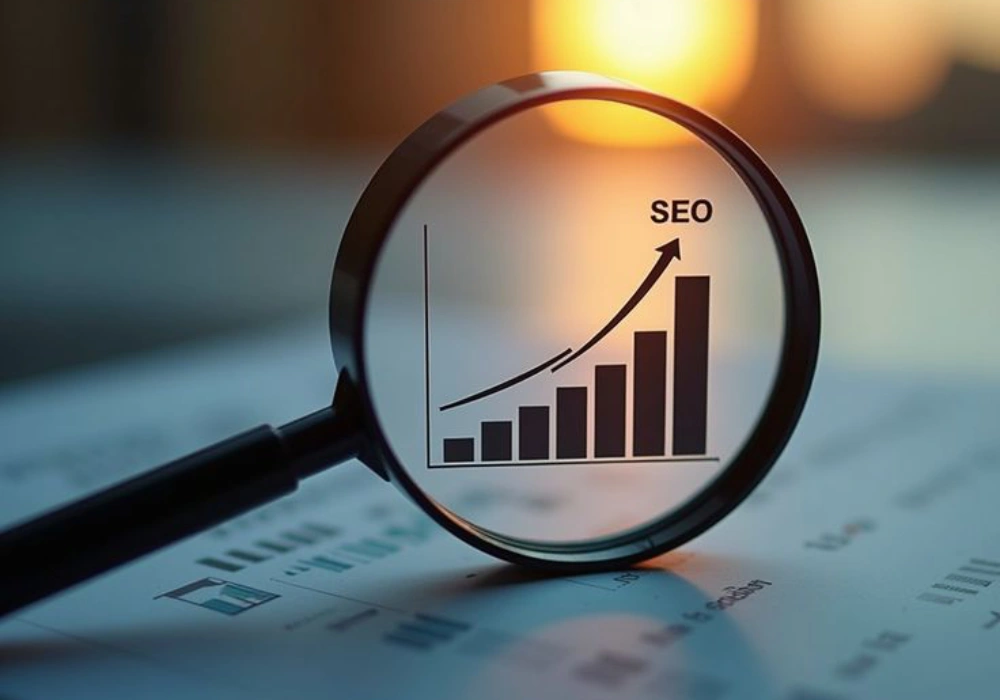
What Is the Primary Goal of SEO: A Detailed Guide
Ask five different people what SEO is for, and you will likely get five different answers: ranking higher, getting more ...
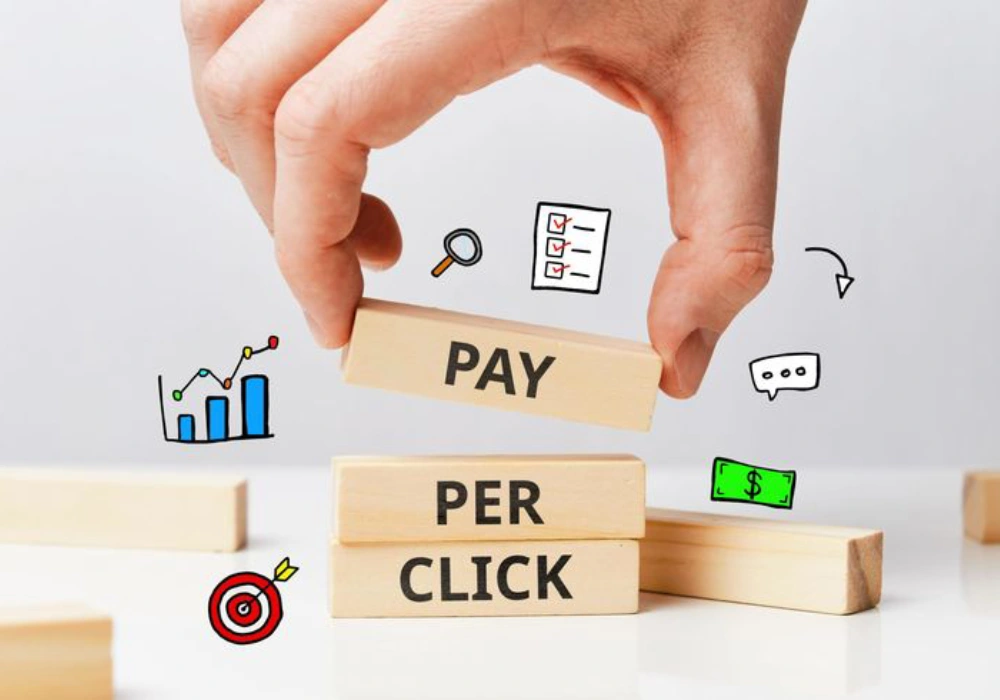
Search Engine Optimization vs Pay-Per-Click: Comparison Guide
Search engine optimization and pay-per-click advertising both aim to get your business in front of people actively searc...
.webp)
SEO or Paid Ads: How to Decide What Your Business Needs
Most businesses do not actually need a lecture on what SEO and paid ads are. What they need is a clear answer to a much ...
.webp)
SEO vs PPC: Which Is Right for Your Business?
Almost every business trying to grow through search eventually faces the same question: should we invest in SEO, pay for...

