


Blog
SEO vs PPC: Which Is Right for Your Business?
.webp)
Want a Quick Summary?
Summarize this article instantly with ChatGPT.
Almost every business trying to grow through search eventually faces the same question: should we invest in SEO, pay for PPC advertising, or both? The two strategies often get pitted against each other, but they are built on fundamentally different mechanics, timelines, and cost structures. Understanding exactly how they differ, and where each one genuinely excels, makes it much easier to decide where your budget and effort should go first. This guide breaks down SEO versus PPC in detail, so you can make that decision with real clarity instead of guesswork.
What Is SEO?
SEO, or search engine optimization, is the practice of improving a website's content, structure, and authority so that it ranks organically in search engine results, without paying directly for that placement. SEO results are earned through a combination of relevant content, technical site health, and external signals like backlinks, rather than through a bid in an advertising auction.
What Is PPC?
PPC, or pay-per-click advertising, is a model where businesses pay directly for visibility in search results or across other platforms, with cost typically incurred each time someone clicks the ad. PPC placements appear instantly once a campaign is approved and funded, competing in a real-time auction against other advertisers bidding on the same keywords or audience.
Key Differences Between SEO and PPC
Speed of Results
PPC can generate traffic and visibility almost immediately after a campaign launches, often within hours of approval. SEO, by contrast, typically takes weeks to several months to show meaningful ranking improvements, since search engines need time to crawl, index, and evaluate a site's authority and relevance before rewarding it with higher organic placement.
Cost Structure
PPC requires ongoing, direct payment for every click received, meaning traffic stops almost immediately once the budget is paused. SEO involves upfront and ongoing investment in content, technical optimization, and often link building, but does not charge per click, meaning traffic can continue arriving without direct per-visit cost once strong rankings are achieved.
Longevity of Results
PPC traffic exists only as long as campaigns remain active and funded. SEO results tend to compound over time and can continue generating traffic well after the initial optimization work was completed, though rankings still require ongoing maintenance to defend against competitors and algorithm changes.
Click-Through Behavior and Trust
Many users perceive organic results as more inherently trustworthy than paid ads, since they were not directly paid for placement, which can influence click-through behavior, particularly for research-oriented or high-consideration searches. However, PPC ads benefit from prime placement and highly targeted, intent-matched messaging that can outperform this trust gap for many transactional searches.
Control Over Messaging and Targeting
PPC offers granular control over exactly which keywords trigger an ad, what the ad copy says, and which audience segments see it, allowing for precise, easily adjustable targeting. SEO offers less direct control, since rankings depend on a search engine's evolving algorithm rather than a bid or budget an advertiser can adjust in real time.
Scalability
PPC can generally scale traffic quickly by increasing budget, assuming sufficient market demand and auction availability exist. SEO scaling is more gradual, since it depends on building out additional content, authority, and site improvements over time rather than simply increasing spend.
Cost Comparison Over Time
In the short term, PPC often appears more expensive relative to traffic volume, since every single click carries a direct cost. Over a longer time horizon, however, SEO can become significantly more cost-efficient per visitor, since organic traffic does not require an ongoing per-click payment once strong rankings are established, even though the initial investment in content and optimization can be substantial.
This means PPC often delivers a clearer, faster return calculation in the short term, while SEO tends to deliver stronger long-term value, provided the business is willing to invest the time needed to build and maintain strong organic visibility.
When PPC Makes More Sense
- The business needs traffic and leads quickly, such as for a time-sensitive promotion or a new product launch.
- The market is highly competitive for organic rankings, making it difficult to rank well without significant ongoing investment.
- Precise control over targeting, messaging, and budget is a priority, particularly for testing new offers or audiences.
- The business wants to gather fast data on which keywords and messaging actually convert, which can also inform SEO content strategy later.
- A specific, time-limited event or seasonal opportunity requires guaranteed visibility rather than waiting for organic rankings to build.
When SEO Makes More Sense
- The business is building a long-term brand and wants sustainable, compounding traffic that does not disappear the moment spend stops.
- Budget constraints make an ongoing, scalable PPC spend difficult to sustain indefinitely.
- The industry or audience tends to trust organic results more strongly than paid placements for the type of purchase decision involved.
- The business has the patience and resources to invest in content and technical optimization over a multi-month or multi-year horizon.
- There is an opportunity to build genuine topical authority that competitors have not yet fully claimed.
Why Many Businesses Benefit From Using Both
Rather than treating SEO and PPC as competing choices, many of the strongest digital marketing strategies use them together, with each channel supporting the other's weaknesses.
- PPC can provide immediate visibility and lead generation while SEO efforts are still building momentum in the background.
- Keyword and messaging data gathered from PPC campaigns can directly inform which topics and phrases are worth prioritizing in SEO content.
- Appearing in both paid and organic results for the same search query increases overall visibility and can reinforce credibility, since a business appearing in both spots often feels more established to searchers.
- PPC can be used strategically to maintain visibility for highly competitive keywords where organic ranking is difficult to achieve or maintain, while SEO handles broader, lower-competition topics more cost-effectively.
How to Decide Where to Start
For businesses with limited budget and an urgent need for leads or sales, PPC often makes sense as the starting point, since it can generate measurable results quickly. For businesses building toward long-term, sustainable growth with more flexibility on timeline, investing early in SEO can pay off significantly over time, even though results take longer to materialize. Businesses with adequate budget and a genuine long-term growth mindset are often best served by running both simultaneously from the start, using PPC for immediate results while SEO builds toward long-term, lower-cost visibility.
Common Misconceptions About SEO vs PPC
"SEO Is Free"
While SEO does not involve a per-click charge, it still requires meaningful investment in content creation, technical optimization, and often specialized expertise, meaning it is far from free even if the cost structure differs from PPC.
"PPC Traffic Disappears the Moment You Stop Paying"
This is largely true for the paid traffic itself, but PPC campaigns can also generate lasting value beyond the immediate click, such as brand awareness, retargeting audience data, and conversion insights that continue benefiting the business afterward.
"You Should Only Do One or the Other"
This is one of the most common misconceptions. In reality, SEO and PPC frequently perform best as complementary strategies rather than mutually exclusive choices, each covering gaps the other cannot fill as efficiently.
Frequently Asked Questions
Which delivers a better return on investment, SEO or PPC?
This depends heavily on timeline and business goals. PPC often delivers a clearer, faster return in the short term, while SEO frequently delivers stronger cumulative return over a longer time horizon, since it does not carry an ongoing per-click cost once strong rankings are achieved.
How long does SEO typically take to show results compared to PPC?
PPC can generate traffic almost immediately after launch, while SEO typically takes anywhere from a few months to a year or more to show significant ranking improvements, depending on competition level and the current state of the website.
Can PPC data help improve SEO performance?
Yes. PPC campaigns generate fast, real-world data on which keywords and messaging actually drive clicks and conversions, which can directly inform which topics and phrases are worth prioritizing in long-term SEO content strategy.
Is it a waste of budget to run SEO and PPC at the same time?
Not generally. Running both simultaneously, when budget allows, often produces stronger overall results than either channel alone, since they cover different strengths, immediate visibility versus long-term, compounding organic growth.
Final Thoughts
SEO and PPC are not rival strategies competing for the same role, they are two different tools built for different timelines and strengths. PPC delivers speed, precision, and immediate visibility, while SEO builds long-term, compounding value that continues paying off well after the initial work is done. The right choice depends on your budget, timeline, and growth goals, and for many businesses, the smartest answer is not choosing one over the other, but using both together strategically.


Are You Looking for Growth?
Free instant digital marketing audit and improve performance.
Get Graded Today
Transform Your Digital Growth with BrandStory
From SEO, PPC, social media marketing, and content marketing to website development, branding, and lead generation, BrandStory delivers result-driven digital marketing services in Dubai and across the UAE, helping businesses attract, engage, and convert more customers.
Trusted by 1000+ leading brands in Dubai and globally including:




Related Blogs
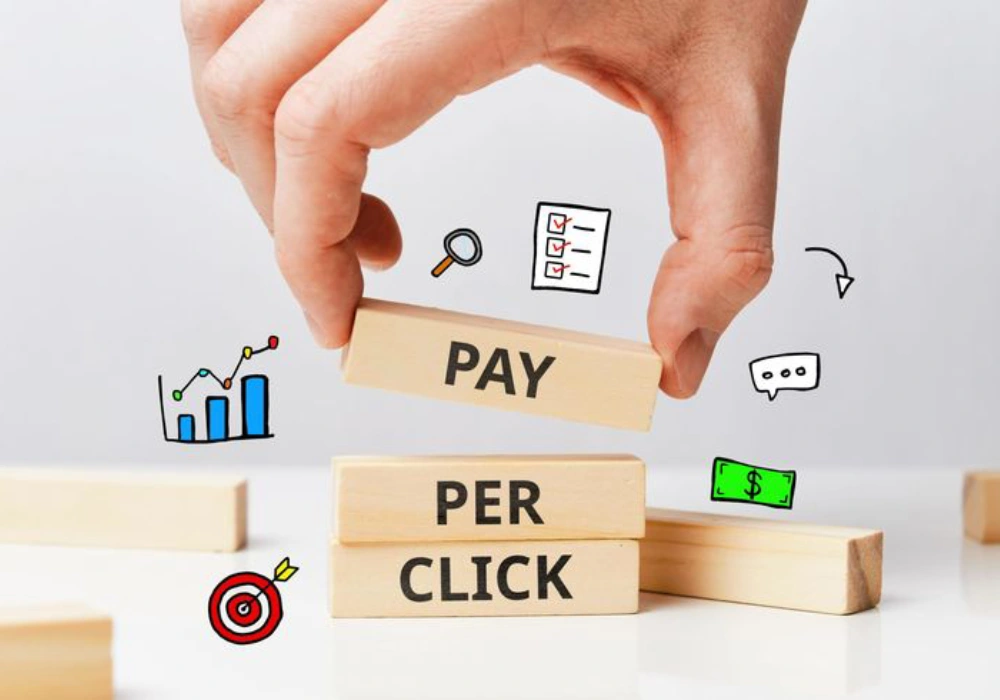
Search Engine Optimization vs Pay-Per-Click: Comparison Guide
Search engine optimization and pay-per-click advertising both aim to get your business in front of people actively searc...
.webp)
SEO or Paid Ads: How to Decide What Your Business Needs
Most businesses do not actually need a lecture on what SEO and paid ads are. What they need is a clear answer to a much ...
.webp)
Does Blogging Help SEO? The BrandStory Guide
Many businesses and content creators wonder if their blogging efforts truly contribute to their search engine optimizati...

How SEO Services Help Improve Rankings and Traffic
Many businesses question, "do SEO services work?" The definitive answer is yes, particularly when implemented with strat...
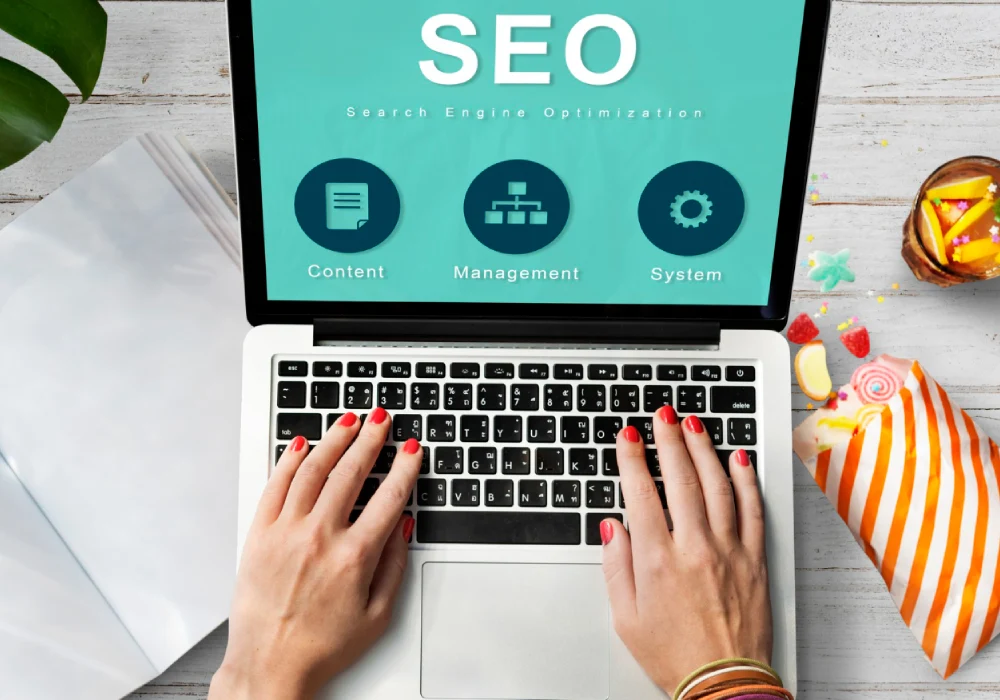
Do Outbound Links Help SEO? A Complete Guide
Many content creators and SEO professionals often wonder about the true impact of outbound links on search engine optimi...

Which Website Platform is Best for SEO
Choosing the right website platform is one of the most critical decisions for any business aiming to succeed online. You...





BrandStory is a premier digital transformation agency in Dubai. We excel in digital marketing, web design, and branding expertise to help UAE-based businesses connect, expand, and succeed.

