
-
- Digital Marketing
-
 Perf. Marketing
 E-mail Marketing
 PPC Services
 Video Marketing
 Influencer Marketing
- Social Media
 Facebook Marketing
 Instagram Marketing
 Twitter Marketing
 Pinterest Marketing
 TikTok Marketing


-
- Digital Marketing
-
Perf. Marketing
- E-mail Marketing
- PPC Services
- Video Marketing
- Influencer Marketing
- Social Media
- Facebook Marketing
- Instagram Marketing
- Twitter Marketing
- Pinterest Marketing
- TikTok Marketing
Blog
What Is the Local Pack: Architecture of Geographic Search Visibility
Want a Quick Summary?
Summarize this article instantly with ChatGPT.
In modern search engine results pages (SERPs), geographic queries trigger an entirely separate algorithmic presentation layer known as the Local Pack (frequently referred to as the Google Map Pack or the 3-Pack). When a prospective customer executes an intent-driven search seeking immediate commercial, professional, or medical assistance- such as emergency healthcare clinics, corporate legal advisors, specialized engineering contractors, or nearby restaurants Google bypasses the traditional list of ten blue organic links to highlight a dedicated, interactive geographic module at the very top of the screen.
The Local Pack represents high-value commercial real estate in digital marketing. Positioned above standard organic search listings and capturing over 30% to 40% of all clicks on local search queries, the Local Pack bridges the gap between digital consumer intent and physical brick-and-mortar storefronts. Understanding the technical architecture, data sources, visual presentation, and algorithmic scoring mechanisms that power the Local Pack is essential for any enterprise seeking to dominate regional customer acquisition.
The Visual and Functional Architecture of the Local Pack
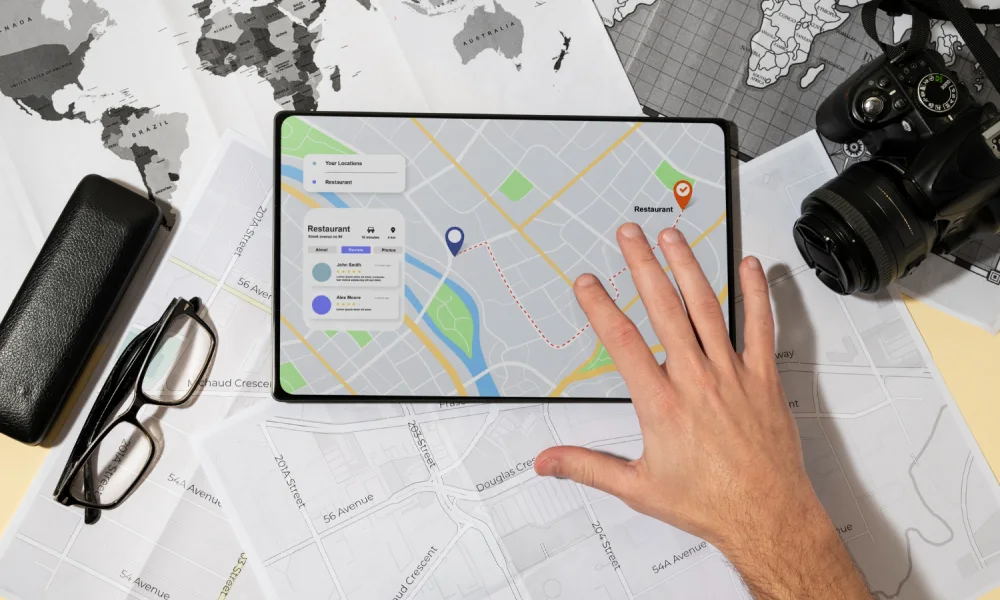
The standard Google Local Pack displays an interactive visual interface composed of four distinct operational elements:
| Visual Component | Technical Function | Commercial Purpose |
|---|---|---|
| 1. Interactive Map Viewport | Dynamic Google Maps canvas pinned with lettered or numbered location markers. | Provides instant spatial orientation, visual distance cues, and interactive zoom/pan capabilities. |
| 2. The 3-Entity Showcase | Three selected local business listings curated by Google's geographic ranking algorithm. | Displays the most relevant, proximate, and reputable providers directly on the search engine results page. |
| 3. Rich Data Snippets | Aggregated profile data: review star ratings, review counts, physical addresses, operating hours, and price tiers. | Allows searchers to evaluate authority, customer satisfaction, and operational readiness without leaving Google. |
| 4. Direct Action Buttons | Dedicated interactive call-to-action triggers: "Website", "Directions", and mobile "Call". | Facilitates immediate commercial conversion, driving physical footfall, calls, and website traffic. |
The Evolution: From the 7-Pack to the Modern 3-Pack
The Local Pack has undergone significant architectural shifts over the past two decades. In its early iterations (2008 to 2015), Google regularly served a "7-Pack" or even a "10-Pack," showcasing seven to ten local businesses on desktop results pages. This broad format accommodated a wide variety of competitors across a metropolitan area.
In August 2015, Google made a major algorithmic change, permanently reducing the default desktop and mobile display from seven businesses down to three. This architectural reduction was driven by two factors:
- Mobile Screen Constraints: Mobile devices dominate transactional search volume. A seven-entity list created excessive vertical scrolling on mobile viewports, degrading user experience. Three listings fit within mobile screens alongside an interactive map canvas.
- Fierce Commercial Competition: Constricting the display to three positions increased the value of top rankings, incentivizing businesses to maintain accurate profile data, gather authentic reviews, and invest in localized search engine optimization.
How the Local Pack Differs from Traditional Organic Search Results
Local Pack rankings operate under different mechanics than standard web organic rankings:
| Comparison Dimension | Google Local Pack (3-Pack) | Traditional Organic Search Results |
|---|---|---|
| Primary Underlying Asset | Google Business Profile (GBP) Knowledge Graph entity. | Indexed website HTML URL and domain architecture. |
| Core Algorithmic Foundation | Relevance, Proximity (Distance), and Prominence. | Topical authority, domain link equity, and on-page technical optimization. |
| User Conversion Path | Immediate zero-click conversions: direct telephone calls, map directions. | Requires a click-through to a website landing page or e-commerce catalog. |
| Visual Presentation | Rich UI: maps, star ratings, opening hours, photo thumbnails. | Standard textual meta titles, URLs, and meta description snippets. |
| Geographic Sensitivity | Highly sensitive to real-time physical GPS coordinates of the searcher. | Relatively broad geographic targeting (country, state, or metropolitan region). |
The 3 Algorithmic Determinants of Local Pack Selection
Google's local algorithm calculates Local Pack placement using three foundational signals:
1. Relevance
Relevance measures how closely a local business entity aligns with the user's explicit or implicit search query. Google evaluates:
- Primary Google Business Profile Category: The single most influential relevance signal. Matching the exact primary category to the core transactional intent is necessary to enter the candidate pool for the query.
- Secondary Categories & Services: Up to nine secondary categories and detailed service catalogs expand eligibility for long-tail keyword queries.
- On-Page Topical Breadth: The thematic relevance of the landing page linked to the business profile, including localized headers, meta titles, and structured content.
2. Distance (Physical Proximity)
Distance measures the physical proximity between the searcher's physical location (derived via mobile GPS coordinates, IP address, or Wi-Fi triangulation) and the verified geographic pin of the business profile:
- For queries containing explicit geographic modifiers (e.g., "business lawyer in Downtown Dubai"), distance is calculated from the geographic centroid of that specified district.
- For implicit queries (e.g., "radiology clinic near me"), distance is calculated dynamically from the user's real-time device location.
3. Prominence
Prominence reflects how well-known, established, and credible a business entity is in both the physical world and the digital ecosystem. Prominence allows an established business to outrank a closer competitor:
- Review Portfolio: Total review volume, inflow velocity, average numerical star rating (above 4.5), and natural keyword inclusions within customer feedback text.
- Inbound Local Link Authority: Backlinks from regional chambers of commerce, municipal licensing bodies, community organizations, and regional press outlets.
- Web Citation Consistency: Character-for-character uniformity of the business Name, Address, and Phone number (NAP) across major data aggregators and business directories.
Variants of the Local Pack Interface
Google does not serve an identical Local Pack format for every commercial vertical. Depending on the search query, the interface adapts dynamically:
| Local Pack Variant | Target Commercial Verticals | Specialized Interface Features |
|---|---|---|
| Standard Local 3-Pack | Professional services, corporate firms, medical clinics, home contracting. | Map view, address, operating hours, phone call trigger, website link. |
| Local Snack Pack | Cafes, casual dining, restaurants, bakeries, nightlife venues. | Replaces website/direction buttons with price tier symbols ($$), cuisine tags, outdoor seating attributes, and food photography thumbnails. |
| Local Service Ads (LSA) Pack | High-liability home services: plumbers, electricians, locksmiths, HVAC. | Displays "Google Guaranteed" or "Google Screened" green badges above the standard 3-pack, operating on a pay-per-lead commercial model. |
| Hotel / Hospitality Pack | Hotels, luxury resorts, serviced apartments. | Four listings instead of three; integrates real-time booking engines, nightly pricing rates, room amenities, and user photo galleries. |
The 4 Critical Operational Mistakes That Exclude Businesses from the 3-Pack
Organizations often remain excluded from the Local Pack due to predictable technical and procedural missteps:
- Virtual Office and Maildrop Registrations:
Attempting to rank in high-value central commercial districts by renting unstaffed virtual mailboxes or co-working desks without permanent physical signage violates Google Business Profile quality guidelines, resulting in manual suspension or algorithmic suppression.
- Inconsistent NAP Citation Data:
Scattering conflicting address variations across the web (such as mixing "Floor 12, Tower A" with "Suite 1204" or using different telephone numbers) undermines search engine confidence in your physical location data.
- Profile Stagnation and Review Neglect:
Failing to respond to customer reviews, ignoring negative feedback, or maintaining an inactive profile without photos, posts, or updated holiday operating hours signals an unmaintained business entity.
- Category Misalignment:
Selecting an overly broad or incorrect primary category. A specialized corporate tax firm categorizing itself as a generic "Accounting Service" loses relevance against competitors targeting "Tax Consultant" directly.
The 5-Step Operational Blueprint to Capture Local Pack Placement
Securing a position within the Google Local 3-Pack requires a disciplined, multi-stage implementation framework:
- Verify and Calibrate the Core Entity Anchor:
Complete formal video verification for your Google Business Profile. Select the single most accurate primary category, configure all relevant secondary categories, set exact map pin coordinates over your building entrance, and list all core service lines.
- Implement Localized Schema and Geo-Targeted Landing Pages:
Link your profile to a dedicated location page featuring semantic HTML footer NAP markup, localized case studies, and validated JSON-LD
LocalBusinessstructured data with exact latitude and longitude coordinates. - Standardize Core Business Citations:
Audit and update business information across major regional data aggregators, global mapping ecosystems (Apple Maps, Bing Places), and primary industry directories, ensuring character-for-character consistency.
- Establish a Systematic Review Velocity Engine:
Incorporate automated review requests into post-service customer workflows via SMS or email. Maintain an average rating above 4.5 stars and respond to 100% of customer reviews within 24 to 48 hours.
- Acquire Geo-Relevant Link Equity:
Partner with regional industry councils, sponsor local community initiatives, and secure coverage in regional digital press publications to build localized domain authority.
Local Pack Readiness and Maturity Audit Matrix
Use the analytical checklist below to audit your organization's readiness for Local Pack inclusion:
| Audit Vector | Failing / Excluded Standard | Optimized 3-Pack Standard |
|---|---|---|
| Profile Verification | Unverified, suspended, or incomplete profile details. | Fully verified Google Business Profile with complete attributes and services. |
| Category Selection | Mismatched or overly broad primary category. | Laser-focused primary category matched to core transactional search intent. |
| NAP Consistency | Conflicting phone numbers and addresses across directory listings. | 100% character-for-character consistency across all web citations. |
| Review Activity | Sparse, outdated reviews with zero owner responses. | Consistent weekly stream of 5-star customer reviews with prompt owner replies. |
| Structured Data | No structured schema code present on the website. | Valid JSON-LD LocalBusiness schema with coordinates and sameAs links. |
The Frontline of Regional Customer Acquisition
The Google Local Pack is the primary digital gateway connecting high-intent searchers with regional commercial enterprises. Earning placement in the Local 3-Pack is not a matter of random chance; it is the direct outcome of aligning Google Business Profile relevance, geographic proximity, and digital prominence. By eliminating citation inconsistencies, optimizing structured data, and maintaining an active customer review engine, businesses can secure prominent placement, outrank competitors, and capture sustainable local market share.
Looking for Measurable Business Growth?
Partner with BrandStory for end-to-end digital & creative excellence.


Are You Looking for Growth?
Free instant digital marketing audit and improve performance.
Get Graded Today
Transform Your Digital Growth with BrandStory
From SEO, PPC, social media marketing, and content marketing to website development, branding, and lead generation, BrandStory delivers result-driven digital marketing services in Dubai and across the UAE, helping businesses attract, engage, and convert more customers.
Trusted by 1000+ leading brands in Dubai and globally including:




Related Blogs

How to Optimise an Existing Page for SEO: On-Page Framework
Optimising an existing web page for search engines is one of the highest-yield initiatives in digital marketing. Unlike ...

How to Show Experience and Expertise on UAE Business Websites: E-E-A-T Architecture
In the digital economy of the United Arab Emirates, establishing demonstrable professional authority is a direct comme...

How to Refresh Old Blog Posts for Rankings: Content Revamp Guide
Content decay is an inevitable reality in organic search. Even articles that once commanded top three positions on Googl...

Arabic and English Page Layout for SEO: The Architecture Guide
Designing and developing a bilingual website that serves both Arabic and English audiences involves far more than simply...

Arabic Heading and Keyword Placement: On-Page SEO Architecture
Structuring on-page content for Arabic-language search engine optimization demands far more than translating high-perf...

Translated Vs. Original Arabic Content for SEO: Technical Analysis
Global brands and multinational enterprises expanding into the Middle East and North Africa (MENA) face a fundamental co...

