
-
- Digital Marketing
-
 Perf. Marketing
 E-mail Marketing
 PPC Services
 Video Marketing
 Influencer Marketing
- Social Media
 Facebook Marketing
 Instagram Marketing
 Twitter Marketing
 Pinterest Marketing
 TikTok Marketing


-
- Digital Marketing
-
Perf. Marketing
- E-mail Marketing
- PPC Services
- Video Marketing
- Influencer Marketing
- Social Media
- Facebook Marketing
- Instagram Marketing
- Twitter Marketing
- Pinterest Marketing
- TikTok Marketing
Blog
What is Google PPC: An Introduction to Paid Search
Want a Quick Summary?
Summarize this article instantly with ChatGPT.
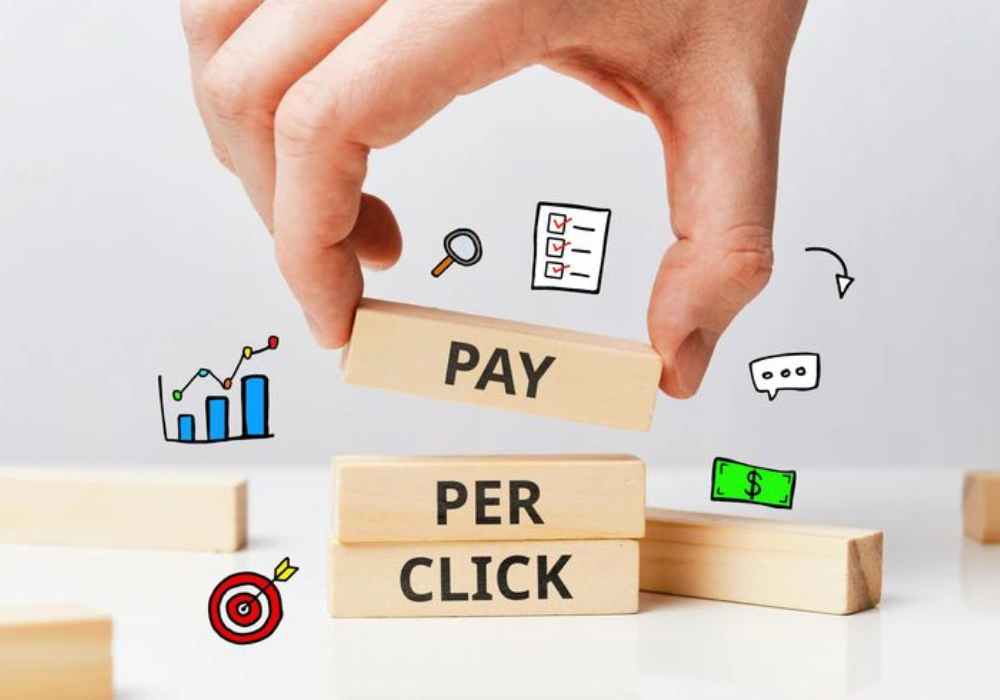
Google PPC, or Pay-Per-Click, is a powerful online advertising model where advertisers pay a fee each time one of their ads is clicked. Essentially, it's a way of buying visits to your site, rather than attempting to 'earn' those visits organically. When someone searches on Google, relevant ads appear alongside organic search results.
Understanding what is Google PPC is crucial for any business aiming to boost its online visibility and drive targeted traffic. It operates on an auction-based model where advertisers compete for ad placements on Google's search results pages and other partner sites. The beauty of PPC lies in its immediate impact; unlike SEO, which can take time, PPC can generate leads and sales almost instantly.
Effectively utilizing Google PPC involves a strategic approach to keyword selection, ad copywriting, and landing page optimization. Businesses create compelling ad campaigns designed to appear when users search for specific terms. When these ads are clicked, users are directed to a landing page, ideally leading to a conversion.
Core Components of a Successful Google PPC Strategy
At its core, Google PPC operates on a few key pillars. Keywords are fundamental; these are the terms users type into Google, and your ads appear when they match. Effective ad copy is crucial for attracting clicks, compelling users to choose your ad over competitors. Bidding strategies determine how much you're willing to pay for a click, influencing ad placement and visibility. Understanding these components is essential for anyone looking to run successful Google PPC campaigns.
Successful Google PPC relies on more than just keywords. Ad extensions, for instance, provide additional information like phone numbers or site links, enhancing ad visibility and click-through rates. Quality Score, a metric Google uses to determine ad rank and cost, is influenced by ad relevance, landing page experience, and expected click-through rate. A higher Quality Score means lower costs and better positions. Mastering these elements is vital for optimizing your Google PPC efforts.
Beyond the basics, advanced Google PPC components can significantly boost performance. Audience targeting allows you to reach specific demographics, interests, or behaviors, refining who sees your ads. Conversion tracking measures specific user actions on your website, providing data to optimize campaigns for better ROI. Negative keywords prevent your ads from showing for irrelevant searches, saving budget and improving ad relevance. Integrating these sophisticated features elevates the effectiveness of any Google PPC strategy.
Optimizing Your Google PPC Campaigns for Performance
To optimize your Google PPC campaigns, begin by refining your keyword strategy. Focus on long-tail keywords that indicate high purchase intent. Craft compelling ad copy that directly addresses user pain points and offers clear solutions. Continuously test different ad variations and placements to identify what performs best for your target audience.
Optimizing Your Google PPC Campaigns for Performance
Implement A/B testing across all elements of your Google PPC ads, including headlines, descriptions, and calls-to-action. Extend this testing to your landing pages to ensure a cohesive user experience from click to conversion. Utilize audience segmentation to create highly targeted ad groups, tailoring messages to specific demographics or interests.
Incorporate retargeting strategies into your Google PPC efforts to re-engage users who have previously interacted with your website but didn't convert. Use dynamic ads to showcase products or services they viewed, reminding them of their interest. This approach significantly boosts conversion rates by targeting warm leads. Ensure your landing pages are optimized for speed and relevance to provide a seamless experience, guiding users smoothly towards the desired action.
Techniques for Effective Google PPC Optimization
Leverage robust analytics tools to monitor the performance of your Google PPC campaigns. Identify which ads and keywords drive the most qualified traffic and conversions, then scale those successful elements. Use insights gained from data analysis to continuously refine your targeting parameters, ad creative, and bidding strategies.
Core Strategies for Successful Google PPC Management
Consider seasonal trends and consumer behavior when planning your Google PPC strategies. Align your campaigns with relevant events or holidays to capitalize on heightened user interest and search volume. Adjust your ad scheduling to display during peak times when your target audience is most active online. This proactive approach enhances visibility and can significantly increase click-through rates and conversions, making your ad spend more impactful.
Enhancing Google PPC Efficiency with Advanced Tactics
Optimize your Google PPC efforts by focusing on the mobile user experience. Ensure your ads are formatted for mobile devices and that associated landing pages load quickly and are easy to navigate on smartphones. With a significant portion of online searches occurring on mobile, providing a seamless mobile experience is essential for maximizing conversions. Regularly test your mobile ads to ensure they perform well across various devices and operating systems.
Assessing and Improving Google PPC Effectiveness
Incorporate customer feedback into your Google PPC campaigns to enhance relevance and appeal. Use surveys, reviews, and direct feedback to gain insights into what your audience values most. Tailor your ad messaging to highlight these specific aspects, making your campaigns more relatable and engaging.
Debunking Common Myths About Google PPC
Many businesses mistakenly believe that Google PPC delivers instant results without ongoing effort. In reality, successful campaigns demand time, strategic planning, and continuous optimization to maximize their effectiveness. It's crucial to conduct thorough research, analyze performance data, and make consistent refinements rather than relying on a one-off setup and expecting immediate, sustained success.
Debunking Common Google PPC Myths
A prevalent misconception is that Google PPC is only suitable for large corporations with extensive budgets. However, small and medium-sized businesses can also achieve significant results through tailored PPC strategies that align with their financial capabilities and specific goals. The key lies in smart investment and precise targeting, not just in the size of the expenditure.
Clarifying Misconceptions About Google PPC
Some believe that once a Google PPC campaign is launched, it can be left unattended. However, maintaining successful campaigns requires regular oversight and adjustments to respond to market dynamics, competitor actions, and evolving user preferences. Continuous engagement and proactive management are crucial for optimizing return on investment and sustaining performance.
Separating Fact from Fiction in Google PPC
There's a belief that Google PPC is solely about driving traffic to a website. While attracting visitors is a primary function, the ultimate aim is to convert that traffic into valuable actions, such as leads or sales.
Understanding Google PPC Limitations and Capabilities
Many assume that the primary aim of Google PPC is merely to boost click-through rates. However, focusing on the quality of traffic is equally vital. Targeting the right audience ensures that clicks lead to valuable interactions and, ultimately, successful conversions, rather than just generating a high volume of irrelevant visits to your site.
Clarifying What Google PPC Can (and Cannot) Do
Some worry that managing Google PPC campaigns requires in-depth technical expertise. While a basic understanding of the platforms is helpful, many tools are designed to simplify the process. With the right guidance and resources, anyone can effectively utilize PPC advertising, making it accessible even for those without extensive technical backgrounds.
Integrating Google PPC with Your Digital Presence
To effectively integrate Google PPC into your overall digital strategy, align your PPC campaigns with your business objectives and target audience. Utilize data from existing marketing efforts to inform keyword selections, ensuring they resonate with potential customers. Consider how your PPC ads can work alongside SEO and content marketing, crafting a cohesive message. Regularly review and optimize campaigns based on performance metrics to ensure your Google PPC efforts effectively contribute to your broader strategy.
Integrating Google PPC with Your Overall Digital Strategy
Incorporating Google PPC into your digital strategy requires a unified approach that combines various channels. Identify key performance indicators (KPIs) that align with your business goals to measure the success of your PPC campaigns. Use insights from your Google PPC efforts to refine content and social media strategies, ensuring consistent and targeted messaging. Leverage analytics to make informed decisions that enhance your overall digital marketing effectiveness.
Leveraging Google PPC for Enhanced Content Visibility
When integrating Google PPC into your digital strategy, consider the customer journey. Tailor your PPC campaigns to guide potential customers from awareness to conversion. Use retargeting strategies to reach users who have previously engaged with your brand, reinforcing messaging and increasing conversion likelihood. Ensure landing pages are optimized for user experience to maximize the effectiveness of your Google PPC. A seamless integration enhances customer engagement and drives conversions.
How Google PPC Can Complement Your SEO Efforts
To incorporate Google PPC into your overall digital strategy, prioritize collaboration among marketing teams. Share insights and data from PPC campaigns with content creators and social media managers to create a unified marketing message. This collaboration can lead to more effective ad copy and visuals that resonate with your audience. Regularly assess the performance of your Google PPC efforts and adjust your strategy to ensure all marketing initiatives are aligned and driving results.
Synergizing Google PPC with Other Online Channels
Integrating Google PPC into your digital strategy requires a comprehensive approach. Analyze current marketing efforts to identify gaps that PPC can fill. Develop a clear plan outlining how your Google PPC will work alongside SEO, content marketing, and social media. This strategy should include regular performance reviews to adjust campaigns based on data-driven insights. By ensuring that your PPC efforts complement other initiatives, you can boost visibility and drive customer engagement.
Real-World Success with Google PPC
Consider a hypothetical e-commerce business that struggled with low online visibility. After implementing a targeted Google PPC strategy, they saw a 45% increase in website traffic and a 30% boost in sales within the first quarter. By carefully selecting keywords and optimizing ad copy to match user intent, they effectively reached their target audience, demonstrating how powerful Google PPC can be for driving conversions and revenue. This success story highlights the direct impact of well-executed paid advertising.
Boosting Leads: A Case Study
Another example involves a local service provider aiming to expand their customer base. Through strategic geographic targeting and compelling ad creatives on Google PPC, they experienced a 60% rise in local inquiries and a significant reduction in their cost per lead.
Increased Visibility for Local Business
Imagine a new software-as-a-service (SaaS) company launching a niche product. By leveraging Google PPC to target specific industry keywords and competitor terms, they rapidly generated qualified leads and achieved a 25% market share within six months. This rapid ascent underscores how Google PPC can accelerate market entry and customer acquisition for innovative products, providing immediate visibility in a competitive landscape.
Driving E-commerce Sales Growth
A non-profit organization sought to raise awareness for a critical cause. Utilizing Google Ad Grants, a form of Google PPC, they managed to reach millions of potential donors and volunteers, resulting in a 50% increase in website engagement and a substantial uplift in donations. This scenario showcases the versatility of Google PPC beyond commercial ventures, proving its effectiveness in driving social impact and community involvement through targeted messaging.
Real-World Success: Google PPC Case Studies
Finally, consider a content publishing platform looking to increase subscriptions. By continuously A/B testing different ad headlines and descriptions, and refining their audience targeting on Google PPC, they achieved a 35% improvement in their subscription conversion rate. This ongoing optimization effort demonstrates that sustained success with Google PPC requires constant monitoring, analysis, and adaptation to evolving market trends and user behavior.
Essential Tools for Managing Google PPC Campaigns
To effectively manage and optimize Google PPC campaigns, several key tools can enhance success. Start with Google Ads for precise targeting and detailed analytics. Utilize keyword research tools like SEMrush and Ahrefs to identify high-performing keywords relevant to your services. Consider using AdEspresso for A/B testing your ads to find the most effective creatives. Platforms like Optmyzr can automate bid management, increasing campaign efficiency. Leveraging analytics tools such as Google Analytics will provide insights into user behavior, allowing you to adjust strategies for better results.
Top Platforms for Google PPC Campaigns
In the Google PPC space, using effective tools is vital for success. Google Ads is a staple, offering robust features for ad creation and management. Tools like Moz can assist in keyword research, ensuring you target the right audience effectively. For tracking ad performance, ClickMagick is useful for monitoring conversions and optimizing strategies. Social media platforms like Facebook Ads Manager also play a critical role in reaching potential customers through targeted advertising. Lastly, reporting tools like Supermetrics can streamline data collection, facilitating better decision-making.
PPC Tools for Enhanced Performance
To enhance your Google PPC efforts, integrating the right tools is essential. Google Ads remains a top choice for managing pay-per-click campaigns efficiently. For keyword analysis, use Ubersuggest to discover new opportunities and refine your targeting. Implementing software like WordStream can simplify your PPC management, providing insights and recommendations. Additionally, tools like HubSpot help you understand customer behavior through detailed analytics. Lastly, consider using landing page optimization tools, such as Unbounce, to improve conversion rates from your ads.
Resources for Successful Google PPC Ads
When optimizing Google PPC, leveraging the right platforms is crucial. Start with Google Ads for its extensive reach and targeting capabilities. Use SpyFu for competitive analysis to understand what keywords your competitors are using. AdRoll can assist in retargeting efforts, ensuring potential customers return to your site. Furthermore, employing tools like Canva can enhance your ad design, making them more appealing. Lastly, utilizing reporting software like Tableau can help visualize your campaign performance, allowing for informed adjustments.
Tools to Elevate Your Google PPC Strategy
To effectively manage Google PPC, a suite of tools is necessary for optimal performance. Google Ads is fundamental for creating and monitoring ads efficiently. Tools like Ahrefs provide valuable insights into keyword performance, ensuring your ads reach the right audience. Additionally, using a platform like ClickFunnels can streamline your sales funnels, enhancing conversion rates. For ongoing analysis, consider using Google Data Studio to create custom reports that track your PPC success. Lastly, employing automation tools like Adzooma can save time and improve campaign management.
Integrating Google PPC into Your Overall Marketing Strategy
Strategically incorporating Google PPC into your broader marketing framework can significantly amplify your online presence and achieve specific business objectives. By aligning your paid search efforts with your content, social, and SEO initiatives, you create a cohesive digital ecosystem. This integration ensures that every ad dollar contributes to a unified message, driving more qualified traffic and improving conversion rates across all channels.
Aligning Google PPC with Your Business Goals
To effectively integrate Google PPC, start by clearly defining your business goals. Whether it's increasing sales, generating leads, or building brand awareness, your PPC campaigns should directly support these objectives. This strategic alignment helps in selecting the right keywords, crafting compelling ad copy, and optimizing landing pages to maximize your return on investment and ensure every click counts.
Leveraging Google PPC for Comprehensive Digital Reach
Google PPC is not a standalone activity; it's a powerful component of a comprehensive digital strategy. When integrated with SEO, for example, PPC can provide immediate visibility for keywords where organic rankings are still developing. It also offers valuable data on keyword performance and user behavior that can inform your SEO and content strategies, creating a virtuous cycle of improvement and expanded online reach.
Integrating Google PPC into Your Overall Strategy
Optimizing Google PPC for Cross-Channel Synergy
Strategic Integration of Google PPC
The true power of Google PPC emerges when it operates in synergy with your other marketing efforts. For instance, remarketing campaigns can target users who have interacted with your website through organic search or social media, guiding them back to complete a conversion.
The Power of Automation in Google PPC
Automation is transforming Google PPC, allowing businesses to manage their advertising more efficiently and effectively.
The Role of Automation in Google PPC Efficiency
Incorporating automation tools into Google PPC campaigns significantly enhances performance. These tools enable real-time data analysis, allowing for immediate adjustments based on performance metrics. This adaptability ensures that advertising efforts align with market trends, ultimately driving more traffic and conversions.
Automated Bidding Strategies for Google PPC
Furthermore, automation in Google PPC simplifies the ad creation process. With automated ad generation, businesses can swiftly test multiple ad variations to determine which resonate best with their target audience. This not only saves time but also boosts campaign effectiveness.
Enhancing Google PPC with Automation Tools
Utilizing automation for reporting and analytics in Google PPC provides valuable insights into campaign performance. Automated reports highlight key metrics, enabling marketers to make data-driven decisions quickly. This insight is essential for refining strategies and achieving better results over time.
Automation's Role in Google PPC Efficiency
To fully harness automation in your Google PPC, consider integrating advanced machine learning algorithms. These technologies can forecast trends and optimize bidding strategies, ensuring your ads reach the right audience at the right time. By adopting automation, your business can achieve greater visibility and success.
When to Update Your Google PPC Campaigns for Optimal Performance
To maintain effective Google PPC campaigns, regular assessment is key. Begin by analyzing your performance metrics to pinpoint areas needing adjustment. If click-through rates are low, consider refining ad copy or audience targeting. Monitor keyword performance; if certain terms aren't converting, replace them with more relevant alternatives. Ensure your budget allocation supports successful campaigns. Continuously refining your Google PPC strategies enhances your return on investment.
Optimal Timing for Adjusting Your Google PPC Strategy
For successful Google PPC, establish a routine evaluation schedule. Monthly reviews help you track performance trends and make timely adjustments. Be aware of seasonal shifts in consumer behavior and adapt your campaigns accordingly. Experiment with different ad formats and placements to discover what resonates best with your audience. A/B testing is invaluable for identifying the most effective messaging and visuals. These practices ensure your Google PPC efforts remain competitive and yield positive results.
Identifying Key Moments to Refresh Your Google PPC Ads
When revising your Google PPC campaigns, prioritize data-driven decisions. Use analytics tools to evaluate each ad and keyword's effectiveness. If campaigns underperform, investigate the cause—be it poor targeting, ineffective ad copy, or high competition. Adjust strategies based on your findings, such as reallocating funds to better-performing ads or exploring new keywords. This process should be ongoing; the digital landscape changes rapidly, and your approach to Google PPC should adapt.
Assessing When to Evolve Your Google PPC Approach
Keeping your Google PPC campaigns current and relevant is vital for success. Regular revisions improve performance and help you stay ahead of competitors. Monitor industry trends and align your strategies with evolving consumer interests. Customer surveys can offer insights into how your messaging connects with your target audience. Proactively revisiting your campaigns and focusing on engagement will optimize your Google PPC for improved outcomes.
Avoiding Common Google PPC Campaign Mistakes
One of the most frequent errors in managing Google PPC involves neglecting thorough keyword research. Without understanding the specific terms potential customers use, your ads might miss their mark, leading to wasted ad spend. Another common pitfall is not optimizing ad copy and landing pages to align perfectly with user search intent, which can drastically reduce conversion rates. Many businesses also make the mistake of setting up campaigns and then failing to monitor them regularly, missing crucial opportunities for adjustments and improvements. Furthermore, underutilizing data analytics means you're not learning from your campaign performance, limiting its overall effectiveness. Avoiding these fundamental mistakes is essential for maximizing the return on your Google PPC investment and ensuring your ads reach the right audience efficiently.
Common Pitfalls in Google PPC
Another significant mistake in Google PPC is the failure to conduct effective A/B testing for ad variations. Running only a single ad creative means you miss opportunities to discover which headlines, descriptions, or calls to action resonate most with your target audience. Neglecting to use negative keywords is also a common oversight, leading to your ads appearing for irrelevant searches and draining your budget unnecessarily. Many advertisers also overlook the importance of clearly defined goals and key performance indicators (KPIs), making it difficult to measure success and identify areas for improvement. Lastly, ignoring the competitive landscape can leave you behind, as you might miss strategies that could differentiate your campaigns. Addressing these issues can significantly enhance the efficiency and impact of your Google PPC efforts.
Key Errors to Sidestep in Google PPC
A frequent oversight in Google PPC management is the neglect of remarketing strategies. Failing to re-engage previous website visitors or app users means you're missing out on a highly motivated audience segment that has already shown interest in your offerings. This can lead to lost conversion opportunities. Another critical error is not optimizing campaigns for mobile devices; with a significant portion of searches happening on smartphones, ads and landing pages must be perfectly responsive. Additionally, many businesses fail to account for seasonal trends or industry-specific cycles, which can impact ad performance. Adjusting your Google PPC strategy to align with these fluctuations can help capture peak interest and improve campaign results. Addressing these points is vital for comprehensive and effective online advertising.
Mastering Google PPC: Avoiding Missteps
A prevalent error in Google PPC is focusing exclusively on immediate conversions without considering the broader customer journey. Effective Google PPC should align with overarching business objectives, contributing to brand awareness and fostering long-term customer relationships. Many advertisers also neglect consistent performance reviews, which can lead to stagnant campaigns and missed opportunities for growth. Regularly analyzing which ads and keywords perform best, and understanding the 'why' behind their success, is crucial for continuous improvement. Furthermore, underinvesting in high-quality ad creatives and compelling visuals can diminish ad appeal and reduce click-through rates. By avoiding these common pitfalls, businesses can leverage Google PPC more effectively for sustainable growth and a stronger online presence.
Launching Your First Google PPC Campaign: A Simple Guide
Setting up your first Google PPC campaign doesn't have to be complicated. Start by defining your campaign goals, whether it's driving website traffic, generating leads, or increasing sales. Next, conduct thorough keyword research to identify relevant terms your target audience uses when searching on Google. Craft compelling ad copy that highlights your unique selling propositions and encourages clicks. Design landing pages that are highly relevant to your ad content and offer a seamless user experience. Finally, set a realistic budget and monitor your campaign's performance closely, making adjustments as needed to optimize your return on investment. This structured approach helps ensure your Google PPC efforts are effective.
To effectively launch a Google PPC campaign, begin by structuring your account logically with distinct campaigns and ad groups. This organization ensures your ads are highly relevant to specific searches. Develop a strong keyword strategy, including negative keywords to avoid irrelevant clicks. Write engaging ad headlines and descriptions that clearly communicate your value proposition and include a strong call to action. Ensure your landing pages are optimized for conversions, providing a smooth journey for visitors. Regularly review your performance data, such as click-through rates and conversion rates, to identify areas for improvement. Consistent optimization is key to maximizing your Google PPC success.
Best Practices for Maximizing Google PPC Potential
To leverage Google PPC effectively, start with precise keyword research to find what your audience searches for. Craft compelling ad copy that highlights your unique selling points and ensures a clear call to action. Direct users to highly relevant, optimized landing pages that facilitate easy conversions. Continuously monitor your campaign performance, adjusting bids, targeting, and ad creatives based on data insights. This methodical approach helps optimize your ad spend and improve return on investment.
Maximizing the impact of Google PPC requires careful planning and consistent optimization. Begin by conducting thorough keyword analysis to identify high-intent search terms. Develop persuasive ad content that resonates with your target audience, emphasizing the benefits of your offerings. Ensure your landing pages are designed for a seamless user experience, guiding visitors towards conversion goals. Regularly review performance metrics and refine your strategies to enhance overall campaign effectiveness. This continuous refinement is key to achieving sustained success.
To get the most out of Google PPC, prioritize strategic keyword selection and creative ad development. Research keywords that align perfectly with your business objectives, designing ads that are both engaging and informative. Ensure that your landing pages are optimized for conversions, providing a straightforward path for users. Keep a close eye on your campaign analytics, making timely adjustments to bidding and targeting to improve outcomes. Understanding what is Google PPC and applying these best practices will significantly boost your online visibility and lead generation.
Looking for Measurable Business Growth?
Partner with BrandStory for end-to-end digital & creative excellence.


Are You Looking for Growth?
Free instant digital marketing audit and improve performance.
Get Graded Today
Transform Your Digital Growth with BrandStory
From SEO, PPC, social media marketing, and content marketing to website development, branding, and lead generation, BrandStory delivers result-driven digital marketing services in Dubai and across the UAE, helping businesses attract, engage, and convert more customers.
Trusted by 1000+ leading brands in Dubai and globally including:




Related Blogs

How Does Device Targeting Affect PPC Results?
The same keyword, the same ad, and the same offer can perform completely differently depending on whether someone sees i...
What Is Ad Fatigue in PPC Advertising?
An ad that performed strongly for months can start declining for no obvious external reason. No new competitors, no algo...
How Can You Scale a Profitable PPC Campaign?
Finding a genuinely profitable PPC campaign is hard. Scaling it without breaking what made it profitable in the first pl...

Should You Bid on Your Own Brand Name?
It seems wasteful on the surface. Why pay for a click on your own business name when your website already ranks first or...
How Do Competitor Ads Affect PPC Performance?
Your PPC campaign can stay completely unchanged, same keywords, same bids, same ad copy, and still see performance shift...
What Is Auction Insights in Google Ads?
Most Google Ads reports tell you how your own campaigns performed. Auction Insights is different, it's one of the few re...

