


Blog
What is Email Marketing in Digital Marketing

Want a Quick Summary?
Summarize this article instantly with ChatGPT.
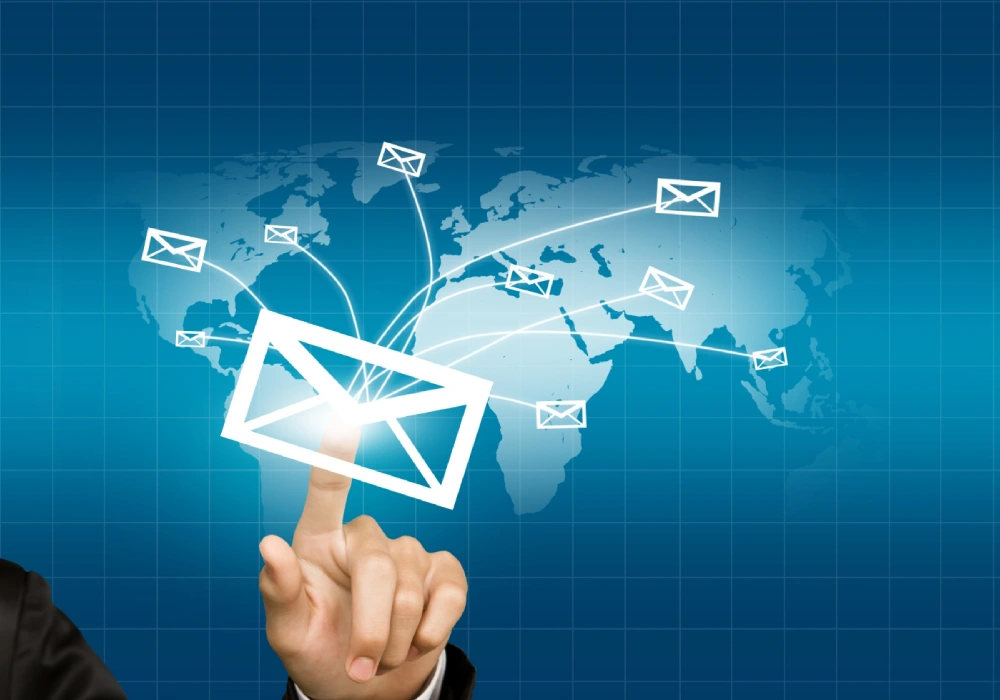
Email marketing is a powerful digital strategy that involves sending commercial messages to a group of people via email. In the realm of digital marketing, it's a direct way to communicate with potential and current customers. This approach allows businesses to build relationships, promote products or services, and drive sales through targeted, personalized communication. BrandStory understands that defining your email marketing strategy is the first step towards digital success.
Beyond simply sending messages, email marketing in digital marketing encompasses a wide range of activities, from list building and segmentation to content creation and performance analysis. It’s a versatile tool that supports various business objectives, such as brand awareness, customer loyalty, and lead nurturing.
Understanding what is email marketing in digital marketing is crucial for any business looking to establish a strong online presence. It's not just about mass mailings; it's about strategic engagement. By leveraging email, companies can foster deeper connections with their audience, providing value and guiding them through the customer journey. BrandStory helps businesses craft compelling email campaigns that resonate with their audience and achieve measurable results.
The Role of Email in a Digital Strategy
Email marketing stands out as a highly effective channel within the digital landscape, offering direct communication with your audience. Unlike broad advertising, it allows for personalized messaging, fostering stronger customer relationships and building brand loyalty. This direct line of engagement often leads to higher interaction rates and more meaningful connections, making it an invaluable part of any digital strategy.
One of the key advantages of integrating email into your digital marketing efforts is its ability to nurture leads and guide customers through their journey. From initial awareness to repeat purchases, email sequences can be tailored to provide relevant information at each stage. This strategic approach ensures that your audience receives timely and valuable content, enhancing their overall experience with your BrandStory.
Furthermore, email provides measurable results, allowing businesses to track engagement, understand audience preferences, and refine their strategies over time. It complements other digital channels by driving traffic to websites, promoting new content, and announcing special offers. This synergy amplifies the reach and impact of your entire online presence, creating a cohesive and powerful marketing ecosystem.
Elements of an Effective Email Marketing Campaign
An effective email marketing campaign begins with building a quality subscriber list. This involves ethical methods like opt-in forms on your website, lead magnets, and clear value propositions. Avoid purchasing lists, as this can harm your sender reputation and lead to low engagement. BrandStory emphasizes organic list growth for sustainable results. A well-curated list ensures your messages reach an audience genuinely interested in your offerings, laying a strong foundation for successful communication.
Key Elements of an Email Marketing Campaign
Once you have a growing list, segmentation becomes crucial. This means dividing your subscribers into smaller groups based on shared characteristics, interests, or behaviors. Common segmentation criteria include demographics, purchase history, engagement levels, or geographic location. Tailoring content to specific segments significantly increases relevance and engagement. For instance, BrandStory helps businesses create targeted campaigns that resonate deeply with each audience segment.
Content creation is at the heart of any email marketing strategy. Your emails should provide value, whether through informative articles, exclusive offers, product updates, or helpful tips. The tone and style should align with your brand voice and appeal to your target audience. Visuals, clear calls to action, and mobile responsiveness are also key components of compelling email content. High-quality content encourages opens, clicks, and ultimately, desired actions.
Building Blocks of Effective Email Campaigns
Sending involves choosing the right time and frequency to deliver your emails. This often requires testing to determine when your audience is most receptive. Automation tools can help schedule emails, send welcome sequences, and nurture leads over time. Post-send analysis, including monitoring deliverability and engagement metrics, is vital for optimizing future campaigns. BrandStory guides clients in setting up efficient sending schedules and automation workflows.
Building Your Audience: List Growth and Segmentation
List building focuses on attracting and retaining subscribers who genuinely want to hear from you. This is more than just collecting email addresses; it's about fostering a relationship. Strategies include offering valuable incentives, making signup processes simple, and clearly communicating what subscribers can expect. Effective segmentation then allows you to speak directly to specific needs and interests, making your messages feel personal and relevant.
Components of a Successful Email Strategy
Content and Delivery: Crafting Messages and Optimizing Send Times. Crafting engaging email content involves understanding your audience's pain points and desires. Each email should have a clear purpose and a single, strong call to action. From subject lines that entice opens to body copy that drives engagement, every element matters. Optimizing delivery times and frequency based on audience behavior ensures your messages are seen and acted upon, maximizing the impact of your email marketing efforts.
Initial Hurdles and Misconceptions in Email Marketing
Embarking on email marketing can present initial hurdles. Many businesses grapple with building a quality subscriber list, understanding audience segmentation, and crafting compelling content that resonates. Overcoming these involves strategic planning, focusing on ethical list growth, and continuously refining messaging to meet subscriber needs. Without a clear strategy, early efforts might feel overwhelming or yield suboptimal results. BrandStory helps clarify these steps.
Navigating Initial Setup and Audience Engagement
Another common challenge is distinguishing between various types of email campaigns, such as newsletters, promotional emails, and automated sequences. Each serves a different purpose and requires a distinct approach to content and timing. Misjudging the intent or frequency can lead to disengaged subscribers or even unsubscribes. Learning to align campaign types with specific marketing goals is key to successful engagement and nurturing customer relationships over time.
Addressing Initial Email Marketing Challenges
A frequent issue for newcomers is the perception that email marketing is solely about sending out offers. This overlooks its potential for building community, providing value, and educating subscribers. Focusing too heavily on sales pitches without offering genuine utility can quickly deter an audience. A balanced approach that prioritizes subscriber value alongside promotional messages is essential for long-term success.
Overcoming Common Misconceptions in Email Marketing?
Many new to email marketing assume it's a 'set it and forget it' channel, underestimating the need for ongoing optimization and analysis.
Strategies for Overcoming Common Email Marketing Obstacles
The complexity often lies in understanding how to move subscribers through different stages of their journey, from initial interest to loyal customer, using targeted email sequences.
Strategies for Navigating Email Marketing Hurdles
To tackle these challenges, BrandStory suggests starting with clear objectives, understanding your audience deeply, and committing to continuous testing and refinement of your email campaigns.
Email Marketing in Action: Business Examples
For an e-commerce business, email marketing can drive direct sales. Imagine a new product launch email sent to 5,000 subscribers. If 250 recipients click through and complete a purchase, that's a direct sales outcome. Similarly, an abandoned cart email sequence can recover lost sales. If 1,000 customers abandon their carts and 300 complete their purchase after receiving the emails, the impact on revenue is clear. BrandStory helps businesses craft these targeted campaigns to maximize their return. These examples show how email directly influences purchasing decisions and customer journeys.
Email Marketing for E-commerce Businesses
In the B2B sector, email marketing often focuses on lead nurturing and relationship building. A company might send a series of educational emails about a complex service to 2,000 prospects. If 100 of these prospects request a demo or a consultation, it signifies successful lead qualification. For BrandStory, this means creating content that addresses pain points and positions the business as a solution provider. Another scenario involves a webinar invitation sent to 3,000 industry contacts, resulting in 150 registrations. This demonstrates email's effectiveness in driving engagement for high-value B2B interactions.
How Different Industries Use Email Strategies
Service-based businesses, such as consultants or agencies, utilize email marketing for client retention and upselling. A monthly newsletter sent to 1,500 existing clients might highlight new service offerings or share valuable industry insights. If 75 clients respond by booking an additional service or referring a new client, it shows the power of maintaining consistent communication. BrandStory emphasizes personalized communication to build loyalty. For a local business, an email announcing a special event to 800 local subscribers, leading to 120 attendees, showcases email's ability to drive local engagement and foot traffic.
B2B Email Strategies for Lead Nurturing
Non-profit organizations leverage email to solicit donations and engage supporters. A fundraising campaign email sent to 10,000 donors might result in 500 direct donations, illustrating a significant impact on their mission. BrandStory assists non-profits in crafting compelling narratives that resonate with their audience. Another use case is a volunteer recruitment drive, where an email to 2,000 past volunteers and interested individuals leads to 100 new sign-ups. These diverse applications highlight that the core principles of email marketing adapt across various organizational goals, proving its versatility.
Service-Based Businesses and Client Engagement
Educational institutions use email for student recruitment and alumni engagement. An email campaign targeting prospective students, sent to 7,000 high school seniors, might result in 350 applications. This demonstrates email's role in the admissions process. For BrandStory, this involves segmenting audiences and tailoring messages for different stages of the student journey. Furthermore, an alumni newsletter sent to 20,000 graduates, leading to 1,000 event registrations or donation pledges, showcases email's power in fostering community and continued support. Each sector finds unique ways to harness the potential of email communication.
Key Factors for Successful Email Marketing Campaigns
Several elements work together to determine if an email achieves its intended outcome. The subject line is the initial point of contact and significantly impacts whether an email is opened. A compelling subject line sparks curiosity and demonstrates relevance, encouraging recipients to engage further. Without a strong open, even the most thoughtfully composed email content won't be seen. Therefore, optimizing this first interaction is vital for improving overall email campaign effectiveness and reaching your communication goals.
Crafting Engaging Subject Lines and Preview Text
The actual content within the email itself plays a crucial part. Is it clear, concise, and does it offer value? Does it directly address the recipient's needs or specific interests? Engaging visuals, well-structured text, and a logical flow can guide the reader toward the desired action. Conversely, cluttered designs or irrelevant information can quickly discourage engagement. BrandStory focuses on crafting content that genuinely connects with your audience's expectations.
Personalization: Connecting with Your Audience
The call to action (CTA) is arguably the most essential component. It needs to be prominent, unambiguous, and persuasive. Vague CTAs or those requiring too much effort can lead to missed opportunities. Whether it's a button to 'Explore Products,' 'Learn More,' or 'Sign Up Today,' its effectiveness directly influences results. Experimenting with different CTA placements, colors, and wording can significantly enhance the success of your email marketing efforts.
Designing Effective Calls to Action (CTAs)
Audience segmentation and personalization are also powerful drivers of success. Sending generic emails to an entire list often yields suboptimal results. By segmenting your audience based on characteristics, behaviors, or past interactions, you can create messages that are highly relevant to each group. Personalized content fosters a stronger connection and increases the likelihood of engagement, as recipients feel the message is specifically tailored for them.
Key Elements for Successful Email Campaigns
The overall design and layout of an email can subtly yet powerfully influence its impact. A visually appealing, easy-to-read layout ensures that your message is consumed effectively. Cluttered designs, inconsistent branding, or poor mobile responsiveness can quickly deter recipients. BrandStory helps ensure that your email templates are optimized for various devices, providing a seamless user experience that guides them effortlessly toward interaction.
Actionable Strategies for Effective Email Marketing Campaigns
Building Your Audience and List Growth
Developing an effective email marketing strategy involves a blend of planning and execution. Start by clearly defining your campaign objectives, whether it's building brand awareness, driving sales, or nurturing customer relationships. Next, segment your audience to deliver personalized messages that resonate with specific groups. Craft compelling content, including engaging subject lines and clear calls to action, to encourage interaction. BrandStory recommends setting up automation for welcome sequences, abandoned cart reminders, and re-engagement campaigns to maximize efficiency. Regularly review your analytics to identify what's working and where improvements can be made, ensuring your efforts align with your overall digital marketing goals.
Measuring Success Beyond Open Rates in Email Campaigns
Beyond Open Rates: Key Metrics for Email Campaign Success
Evaluating the success of your email campaigns requires a shift from vanity metrics to those that reflect actual business value. While open and click rates offer initial insights, metrics like subscriber lifetime value, customer retention, and revenue generated directly from email provide a clearer picture of your strategy's long-term health. Understanding these deeper metrics helps optimize future campaigns and demonstrates the tangible return on investment for your email marketing efforts.
Establishing Meaningful Metrics for Email Efforts
To gain meaningful insights from your email marketing data, it's essential to analyze trends over time rather than isolated campaign performance. Look for consistent patterns in engagement, subscriber growth, and conversion behaviors across different segments. This longitudinal analysis helps identify what strategies are working, what needs improvement, and how your audience's preferences evolve. Consistent tracking and thoughtful interpretation are crucial for continuous optimization.
Essential Tools for Email Marketing Campaigns
Data analytics are essential for optimizing social media marketing.
Essential Tools for Email Management
To truly succeed with email marketing, businesses need robust tools that can handle everything from list management to performance tracking. These platforms help automate tasks, personalize content, and provide valuable insights into subscriber behavior, ensuring your messages resonate effectively with your audience. BrandStory emphasizes using integrated solutions for comprehensive campaign management.
Platforms for Email Marketing Management
Modern email marketing platforms offer features like drag-and-drop editors for easy content creation, advanced segmentation options to target specific audience groups, and A/B testing capabilities to optimize subject lines and calls to action.
Choosing the Right Email Marketing Software
Beyond basic sending, many platforms provide sophisticated automation workflows. This allows you to set up welcome series, abandoned cart reminders, and re-engagement campaigns that trigger based on user actions, ensuring timely and relevant communication without constant manual effort.
Key Features of Effective Email Tools
Integrating your chosen email marketing tool with other systems, such as CRM or e-commerce platforms, can further enhance its power.
Using Email Insights to Shape Digital Strategy
Beyond just sending messages, the real power of email marketing lies in analyzing its performance to guide future strategic choices. BrandStory helps businesses delve into email campaign data, identifying patterns in subscriber behavior and engagement. This analytical approach allows for continuous refinement of audience segmentation, message personalization, and optimal timing for communications. By consistently reviewing email performance, organizations can adapt their digital marketing efforts to evolving market dynamics, ensuring their strategies remain effective and competitive. This data-driven evolution helps BrandStory clients achieve sustained growth.
Integrating Email Insights into Overall Digital Strategy
Integrating insights from email activity into your broader digital strategy extends beyond enhancing email performance alone. It involves gaining a holistic understanding of the customer journey, from initial interaction to final conversion across all online touchpoints. BrandStory utilizes email data to inform decisions about website content, social media campaigns, and even product development initiatives. This comprehensive perspective ensures that every marketing endeavor is cohesive and contributes to a unified, impactful customer experience. Such strategic application of performance data drives overall business success.
Email Performance: Informing Future Campaigns
The continuous feedback loop provided by email marketing data enables ongoing optimization of your digital outreach. By understanding which elements drive positive outcomes, BrandStory empowers clients to make informed decisions that lead to higher engagement and better returns on investment across their entire marketing ecosystem.
Avoiding Common Pitfalls in Email Marketing
When starting with email marketing, many businesses encounter common pitfalls that can hinder their success. One significant mistake is neglecting proper list hygiene. Sending emails to an outdated or unengaged list can lead to low open rates, high bounce rates, and even damage your sender reputation. This not only wastes resources but also reduces the overall effectiveness of your campaigns. BrandStory emphasizes the importance of regularly cleaning your email lists to ensure you're reaching active and interested subscribers, which is crucial for maintaining a healthy email ecosystem. A clean list ensures your messages are delivered to the right audience, improving engagement and the likelihood of achieving your marketing objectives.
Avoiding Poor List Hygiene
Another frequent error is failing to segment your audience effectively. Treating all subscribers as a single entity and sending generic messages often results in low relevance and engagement. Your audience is diverse, with varying interests, needs, and stages in their customer journey. Without proper segmentation, your emails might miss the mark, leading to unsubscribes or ignored messages. BrandStory advises businesses to segment their lists based on demographics, behavior, purchase history, or engagement levels. Tailoring content to specific segments significantly increases the likelihood of resonance, making your email marketing efforts more impactful and personalized for each recipient.
Overlooking Audience Segmentation
Spamming subscribers with excessive or irrelevant content is a critical mistake that can quickly erode trust and lead to negative perceptions of your brand. Over-communicating or sending promotional emails too frequently without providing value can overwhelm recipients, causing them to disengage or mark your emails as spam. This not only harms your sender reputation but also makes it harder to reach your audience in the future. BrandStory recommends a balanced approach to email frequency and content, focusing on delivering valuable and timely information that genuinely benefits your subscribers. Prioritizing quality over quantity helps maintain a positive relationship with your audience and keeps them engaged.
Neglecting Personalization
Finally, many businesses overlook the importance of mobile optimization and accessibility in their email marketing campaigns. With a significant portion of emails being opened on mobile devices, emails that are not responsive or difficult to read on smaller screens can lead to a poor user experience. This can cause recipients to quickly delete or ignore your messages, undermining your efforts. BrandStory stresses the need for designing emails that render beautifully across all devices and are accessible to everyone, including those with disabilities. Ensuring your emails are mobile-friendly and accessible expands your reach and improves engagement, making your email marketing strategy more inclusive and effective for all users.
Long-Term Value of Email Strategy
A well-executed email marketing strategy offers significant long-term advantages for businesses. It cultivates lasting customer relationships and drives sustained growth by consistently engaging your audience. BrandStory understands that moving beyond short-term gains to build a robust, evolving email program is key. This approach transforms one-time recipients into loyal customers, fostering a community around your brand. By prioritizing strategic engagement and value delivery, email becomes a powerful channel for enduring business success and customer loyalty.
The true strength of a thoughtful email strategy lies in its ability to adapt and provide continuous value. It's about nurturing your audience over time, offering relevant content, and building trust. BrandStory emphasizes that this long-term perspective helps businesses create a stable foundation for communication, leading to repeat interactions and advocacy. This sustained effort ensures that your email marketing serves as a consistent engine for growth, rather than just a tool for quick promotions. It integrates seamlessly into your overall digital presence, enhancing every customer touchpoint.
For BrandStory, developing an effective email marketing strategy is an ongoing journey of refinement and relationship building. It involves understanding your audience's evolving needs and consistently delivering content that resonates. This dedication to long-term engagement not only boosts the impact of individual campaigns but also strengthens your brand's connection with its customers. By focusing on sustained value and thoughtful communication, email marketing becomes an invaluable asset for achieving lasting business objectives and fostering a loyal customer base.
Looking for Measurable Business Growth?
Partner with BrandStory for end-to-end digital & creative excellence.


Are You Looking for Growth?
Free instant digital marketing audit and improve performance.
Get Graded Today
Transform Your Digital Growth with BrandStory
From SEO, PPC, social media marketing, and content marketing to website development, branding, and lead generation, BrandStory delivers result-driven digital marketing services in Dubai and across the UAE, helping businesses attract, engage, and convert more customers.
Trusted by 1000+ leading brands in Dubai and globally including:




Related Blogs

B2B Email Marketing Companies: A Comprehensive Guide
B2B email marketing companies play a crucial role in today's business world. They specialize in crafting targeted email ...

B2B Email Marketing Campaigns: A Practical Guide
Email remains one of the most reliable channels in B2B marketing, largely because it goes directly to someone's inbox wi...
B2B Email Marketing: Guide to Building Relationships and Revenue
Despite the rise of social media, paid advertising, and countless new marketing channels, email remains one of the most ...

The Importance of Email Marketing Software for Ecommerce
In the competitive world of ecommerce, selecting the best email marketing software is essential for your business's grow...

Ecommerce Email Marketing Software: Boosting Engagement and Sales
Ecommerce email marketing software is essential for online businesses, as it boosts customer engagement and drives sales...

Ecommerce Email Marketing Automation: Your Key to Success
In today’s digital marketplace, ecommerce email marketing automation is essential for online retailers. This appro...

