
-
- Digital Marketing
-
 Perf. Marketing
 E-mail Marketing
 PPC Services
 Video Marketing
 Influencer Marketing
- Social Media
 Facebook Marketing
 Instagram Marketing
 Twitter Marketing
 Pinterest Marketing
 TikTok Marketing


-
- Digital Marketing
-
Perf. Marketing
- E-mail Marketing
- PPC Services
- Video Marketing
- Influencer Marketing
- Social Media
- Facebook Marketing
- Instagram Marketing
- Twitter Marketing
- Pinterest Marketing
- TikTok Marketing
Blog
Web Page Design: Guide to Creating Pages That Work
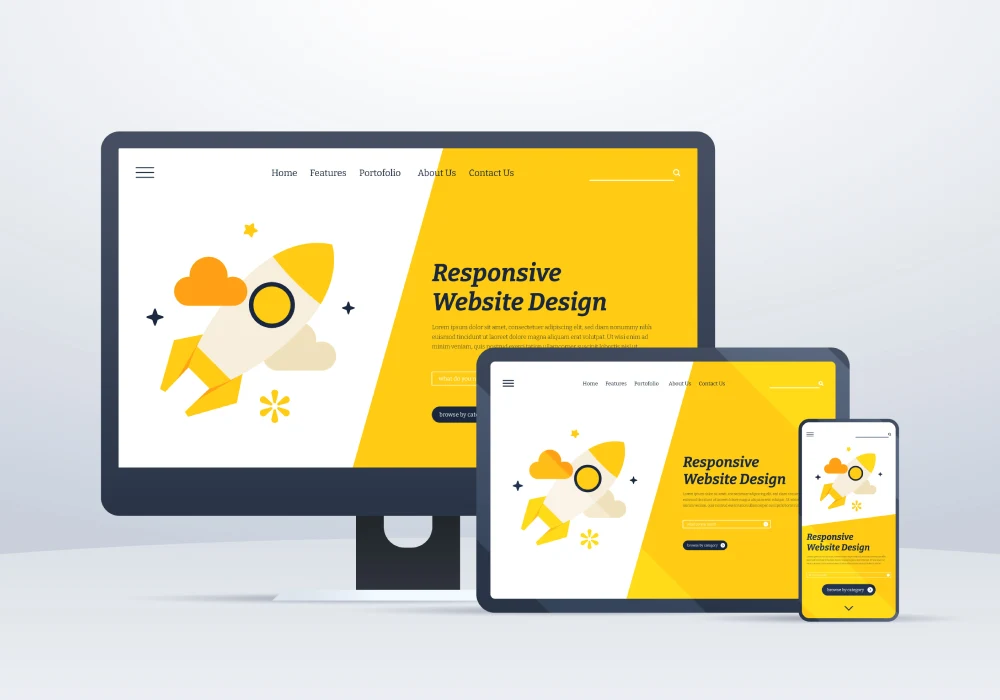
Want a Quick Summary?
Summarize this article instantly with ChatGPT.
Every website is ultimately built from individual pages, and how each of those pages is designed determines whether a visitor stays engaged or leaves within seconds. Web page design focuses specifically on the layout, content structure, and visual elements of a single page, whether that is a homepage, a product page, a landing page, or a contact page. While the term is sometimes used interchangeably with "web design" as a whole, page-level design deserves focused attention of its own, since each page on a website often serves a distinct purpose and audience. In this blog, we will explore the principles of effective web page design and how to apply them across different types of pages.
What Is Web Page Design?
Web page design refers to the process of planning and creating the layout, visual hierarchy, and content structure of an individual webpage. This includes decisions about where images, text, buttons, and navigation elements are placed, how visitors' attention is guided from one section to the next, and how the overall page supports a specific goal, whether that goal is informing a visitor, capturing a lead, or driving a purchase.
While overall website design considers the site as a whole, including navigation structure and cross-page consistency, web page design zooms in on the specific choices that make each individual page effective at achieving its particular purpose.
Core Principles of Effective Web Page Design
1. Visual Hierarchy
Visual hierarchy refers to the way design elements are arranged to guide a visitor's eye through a page in a deliberate order. This is typically achieved through size, color, contrast, and spacing, ensuring the most important elements, such as a headline or a primary call to action, capture attention first, while supporting details are presented in a logical, secondary flow.
2. Clarity and Simplicity
Effective web pages avoid unnecessary clutter, presenting information in a clear, digestible manner rather than overwhelming visitors with excessive text, images, or competing calls to action. Simplicity does not mean a lack of content, but rather thoughtful organization that makes it easy for visitors to understand what a page is about and what they should do next.
3. Consistent Branding
Every page on a website should reflect a consistent visual identity, including color schemes, typography, and overall tone, reinforcing brand recognition and helping visitors feel confident they are still within the same trusted website as they navigate from page to page.
4. Purposeful Whitespace
Whitespace, or the empty space surrounding design elements, plays a critical role in readability and visual comfort. Thoughtful use of whitespace helps separate different sections of a page, draws attention to key elements, and prevents a page from feeling cramped or overwhelming to visitors.
5. Strong, Clear Calls to Action
Every page should guide visitors toward a specific next step, whether that is making a purchase, filling out a form, or exploring additional content. Effective calls to action are visually distinct, clearly worded, and strategically placed where visitors are most likely to be ready to act.
6. Readable Typography
Text remains one of the primary ways websites communicate with visitors, making readable typography essential. This includes choosing appropriate font sizes, maintaining sufficient contrast between text and background, and using consistent formatting that makes content easy to scan and digest.
Designing Different Types of Web Pages
Homepage Design
A homepage often serves as a visitor's first impression of a business, requiring a clear, immediate communication of what the company offers and why it matters. Effective homepage design typically includes a strong headline, a concise value proposition, and clear pathways guiding visitors toward the most relevant sections of the site based on their specific needs.
Landing Page Design
Landing pages are typically built for a specific marketing campaign or offer, and effective landing page design focuses on a single, clear goal, minimizing distractions such as extensive navigation menus that might lead visitors away before they complete the desired action.
Product or Service Pages
These pages need to provide enough detail for visitors to make an informed decision, including clear descriptions, relevant images, and pricing information where applicable, all organized in a way that builds confidence and addresses common questions or concerns.
About Pages
About pages play an important role in building trust and credibility, often benefiting from a mix of company history, team information, and values that help visitors connect with the business on a more personal level, beyond simply the products or services offered.
Contact Pages
Contact pages should make it as easy as possible for visitors to get in touch, offering clear contact information, a simple form, and, where relevant, additional details such as location maps or business hours, all presented without unnecessary friction.
The Web Page Design Process
1. Define the Page's Purpose
Before any design work begins, it is essential to clearly define what a specific page is meant to accomplish, whether that is generating leads, informing visitors, or driving a purchase. This purpose should guide every subsequent design decision made for that page.
2. Plan Content and Structure
Once the purpose is clear, outline the key content elements needed to achieve that goal, and organize them into a logical structure that guides visitors naturally from one section to the next.
3. Create Wireframes
Wireframes provide a basic visual outline of a page's layout before detailed design work begins, allowing for early feedback and adjustments to the overall structure without investing significant time in polished visuals.
4. Develop the Visual Design
With the structure established, designers add visual elements such as color, typography, and imagery, ensuring the page reflects the brand's identity while supporting the established visual hierarchy and calls to action.
5. Optimize for Mobile Devices
Given the significant volume of mobile traffic most websites receive, every page must be tested and optimized to ensure it functions smoothly and remains visually effective across smaller screens.
6. Test and Refine
After launch, monitoring how visitors actually interact with a page, including scroll behavior, click patterns, and conversion rates, provides valuable insight for ongoing refinement and improvement over time.
Common Web Page Design Mistakes
Many pages suffer from unclear or competing calls to action, leaving visitors uncertain about what step to take next. Others become cluttered with excessive text or images, overwhelming visitors rather than guiding them clearly through the content. Inconsistent branding across different pages can also create confusion or reduce trust, while poor mobile optimization remains one of the most common and costly oversights, given how many visitors browse primarily on smartphones.
The Role of Page Speed in Web Page Design
Even the most beautifully designed page will struggle to perform well if it loads slowly. Large, unoptimized images, excessive animations, or inefficient coding can all significantly slow down a page, leading to higher bounce rates and lower conversion rates. Effective web page design considers performance alongside visual appeal, ensuring pages are built efficiently without unnecessary elements that could compromise loading speed.
Accessibility Considerations in Page Design
Thoughtful web page design also considers accessibility, ensuring content remains usable for visitors with varying abilities. This includes sufficient color contrast for readability, clear text alternatives for images, and a logical structure that works well with screen readers and other assistive technologies, helping ensure a website can be effectively used by as broad an audience as possible.
Testing and Iterating on Page Design
Effective web page design is rarely finalized after a single version. Businesses benefit from ongoing testing, such as comparing different headlines, layouts, or calls to action, to identify which variations perform best in terms of engagement and conversions. This iterative approach allows pages to continuously improve over time, based on actual visitor behavior rather than assumptions made during the initial design process.
Final Thoughts
Strong web page design requires a thoughtful balance of visual hierarchy, clarity, consistent branding, and a clear understanding of each page's specific purpose within the broader website. By focusing on readable typography, purposeful whitespace, strong calls to action, and careful attention to mobile performance and page speed, businesses can create pages that not only look professional but also effectively guide visitors toward meaningful action. Treating web page design as an ongoing process of testing and refinement, rather than a one-time task, ultimately results in pages that continue to perform well and support genuine business goals over time.
Looking for Measurable Business Growth?
Partner with BrandStory for end-to-end digital & creative excellence.


Are You Looking for Growth?
Free instant digital marketing audit and improve performance.
Get Graded Today
Transform Your Digital Growth with BrandStory
From SEO, PPC, social media marketing, and content marketing to website development, branding, and lead generation, BrandStory delivers result-driven digital marketing services in Dubai and across the UAE, helping businesses attract, engage, and convert more customers.
Trusted by 1000+ leading brands in Dubai and globally including:




Related Blogs

Web Design SEO Services: Why Integration Matters
In today's competitive online marketplace, integrating web design and SEO services is essential for achieving optimal vi...
Importance of Web Design and Advertising Integration
In today's digital landscape, combining web design and advertising is essential for effective branding. Creating visuall...
Interactive Web Design: Enhancing User Engagement
In today's digital landscape, interactive web design is vital for businesses seeking to create memorable user experience...
The Importance of an Education Web Design Agency
In today's digital age, educational institutions must prioritize specialized web design to enhance their online presence...

The Importance of Branding Web Design for Businesses
In today's competitive landscape, having a strong branding web design is essential for businesses. A well-crafted websit...
Web Application Design and Development: Importance in Today's Landscape
Web application design and development is essential in today's competitive environment. By prioritizing user experience ...

