
-
- Digital Marketing
-
 Perf. Marketing
 E-mail Marketing
 PPC Services
 Video Marketing
 Influencer Marketing
- Social Media
 Facebook Marketing
 Instagram Marketing
 Twitter Marketing
 Pinterest Marketing
 TikTok Marketing


-
- Digital Marketing
-
Perf. Marketing
- E-mail Marketing
- PPC Services
- Video Marketing
- Influencer Marketing
- Social Media
- Facebook Marketing
- Instagram Marketing
- Twitter Marketing
- Pinterest Marketing
- TikTok Marketing
Blog
Web Design and Development: Understanding the Difference
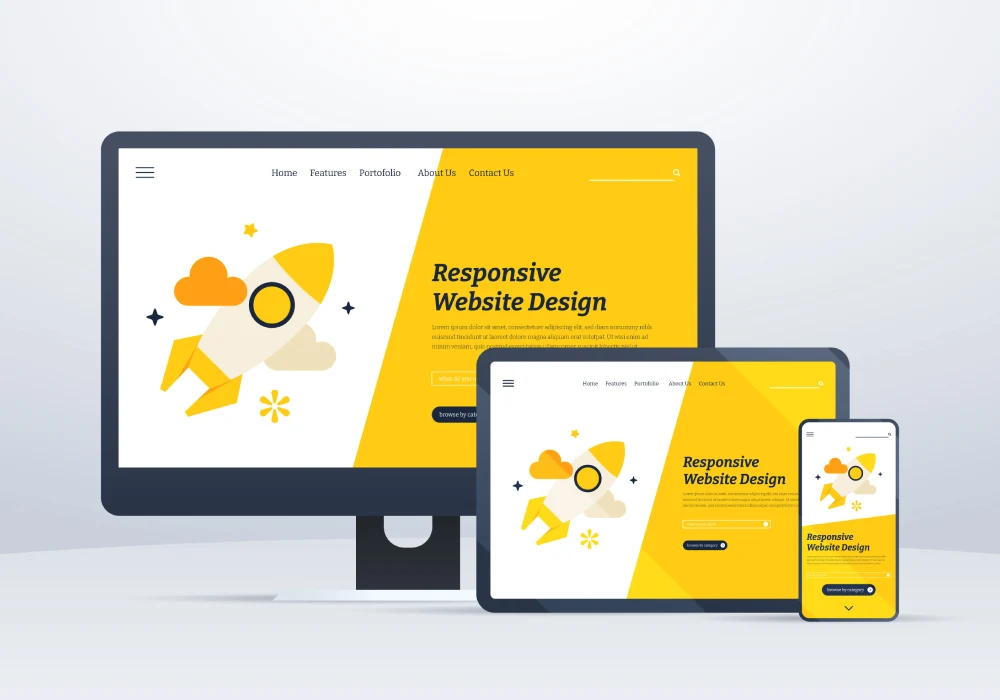
Want a Quick Summary?
Summarize this article instantly with ChatGPT.
The terms "web design" and "web development" are often used interchangeably, yet they represent two distinct disciplines that work together to create a successful website. Design focuses on how a website looks and feels, while development focuses on how it actually functions. Understanding the relationship between these two disciplines, and why a website needs both to succeed, is essential for any business planning to build or improve its online presence. In this blog, we will explore what web design and development each involve, how they work together, and what businesses should know when approaching a project that requires both.
What Is Web Design?
Web design refers to the visual and experiential aspects of a website, including layout, color schemes, typography, imagery, and overall user interface. Good web design considers not only aesthetics but also how visitors will navigate and interact with a site, ensuring that the visual presentation supports a smooth, intuitive user experience. Designers typically work with wireframes and visual mockups before any actual coding begins, allowing for feedback and refinement early in the process.
Beyond pure visuals, web design also encompasses user experience principles, ensuring that the structure and flow of a website guide visitors naturally toward specific actions, whether that is making a purchase, filling out a contact form, or exploring additional content.
What Is Web Development?
Web development refers to the technical process of building the actual functioning website, translating design mockups into a live, interactive site through coding and programming. This includes both front-end development, which focuses on the parts of a website users directly interact with, and back-end development, which handles server-side functionality such as databases, content management systems, and any necessary integrations with third-party services.
Development also involves ensuring a website functions correctly across different browsers and devices, optimizing for performance and speed, and implementing necessary security measures to protect both the business and its visitors.
How Design and Development Work Together
While design and development are distinct disciplines, they are deeply interconnected, and a successful website requires close collaboration between the two. A beautifully designed website that is poorly developed may load slowly, function inconsistently across devices, or suffer from technical vulnerabilities. Conversely, a technically well-built website with poor design may function properly but fail to engage visitors or effectively communicate a business's value proposition.
Effective web projects typically involve designers and developers working closely throughout the process, with designers considering technical feasibility during the design phase and developers providing input on how design choices might impact performance or functionality. This collaborative approach helps ensure the final website successfully balances strong visual appeal with reliable technical performance.
The Web Design and Development Process
1. Discovery and Planning
Every successful project begins with a clear understanding of a business's goals, target audience, and specific functional requirements. This discovery phase informs decisions throughout both the design and development process, ensuring the final website genuinely supports broader business objectives.
2. Wireframing and Information Architecture
Before visual design begins, wireframes establish the basic structure and layout of key pages, helping ensure a logical flow and clear hierarchy of information that will later inform both design and development decisions.
3. Visual Design
During this phase, designers create detailed visual mockups, incorporating branding elements, color schemes, typography, and imagery, resulting in a clear visual direction that developers will use as a blueprint for building the actual website.
4. Front-End Development
Front-end developers translate approved design mockups into functioning code, building the visual elements users will directly interact with, ensuring the website accurately reflects the intended design while functioning smoothly across different browsers and devices.
5. Back-End Development
Back-end development focuses on the server-side functionality that powers a website, including database management, content management systems, and any necessary integrations, such as payment gateways for ecommerce sites or customer relationship management tools for lead capture.
6. Testing and Quality Assurance
Before launch, thorough testing across various browsers, devices, and use cases helps identify and resolve any functional issues, ensuring the website performs reliably and consistently for all visitors.
7. Launch and Ongoing Maintenance
Following launch, ongoing maintenance ensures the website remains secure, up to date, and continues functioning properly as browsers, devices, and security requirements evolve over time.
Key Skills Involved in Web Design
Effective web designers typically bring expertise in visual design principles, user experience research, and proficiency with design tools used to create wireframes and mockups. Strong designers also understand basic principles of how their designs will ultimately be implemented technically, allowing them to create visually compelling work that remains practical and feasible to develop.
Key Skills Involved in Web Development
Web developers typically bring expertise in relevant programming languages and frameworks, along with a strong understanding of website performance optimization, security best practices, and how to properly implement responsive design across various devices. Back-end developers additionally require expertise in database management and server-side programming, particularly for websites requiring more complex functionality such as ecommerce or custom integrations.
Choosing Between an Integrated Team or Separate Specialists
Businesses building a website can choose between working with an integrated team or agency that handles both design and development under one roof, or hiring separate specialists for each discipline. An integrated approach often results in smoother collaboration and communication, since designers and developers are already accustomed to working together. Hiring separate specialists can sometimes offer more specialized expertise in each individual discipline, though it requires more active project management to ensure smooth collaboration between the two parties throughout the process.
The Role of Content in Web Design and Development
While design and development form the technical and visual foundation of a website, content remains equally important for a website's overall success. Clear, persuasive copywriting must work alongside strong design and reliable development to create a website that not only looks and functions well but also effectively communicates a business's value proposition and guides visitors toward meaningful action.
Common Mistakes in Web Design and Development Projects
Many businesses make the mistake of prioritizing visual design while underestimating the importance of solid technical development, resulting in websites that look impressive but suffer from poor performance or functional issues. Others fail to involve developers early enough in the design process, leading to design choices that are difficult or costly to implement technically. Insufficient testing before launch is another common issue, often resulting in functional problems that could have been identified and resolved earlier in the process.
Why Both Disciplines Deserve Equal Attention
A truly successful website requires equal attention to both design and development, since neither discipline alone can deliver a website capable of achieving genuine business results. Strong design without solid development results in a website that may look appealing but fails to function reliably, while strong development without thoughtful design often fails to engage visitors effectively or communicate a business's value proposition. Businesses should approach web projects with a clear understanding that both disciplines are equally essential to achieving a successful outcome.
Final Thoughts
Web design and web development are distinct but deeply interconnected disciplines, each playing an essential role in creating a website that is both visually compelling and technically reliable. By understanding how these two disciplines work together throughout the planning, design, and development process, businesses can make more informed decisions when building or improving their website, whether working with an integrated team or coordinating separate specialists. Prioritizing both strong design and solid development ultimately results in a website capable of genuinely supporting business growth, rather than one that excels in only one dimension while falling short in the other.
Looking for Measurable Business Growth?
Partner with BrandStory for end-to-end digital & creative excellence.


Are You Looking for Growth?
Free instant digital marketing audit and improve performance.
Get Graded Today
Transform Your Digital Growth with BrandStory
From SEO, PPC, social media marketing, and content marketing to website development, branding, and lead generation, BrandStory delivers result-driven digital marketing services in Dubai and across the UAE, helping businesses attract, engage, and convert more customers.
Trusted by 1000+ leading brands in Dubai and globally including:




Related Blogs
Web Design SEO Services: Why Integration Matters
In today's competitive online marketplace, integrating web design and SEO services is essential for achieving optimal vi...
Importance of Web Design and Advertising Integration
In today's digital landscape, combining web design and advertising is essential for effective branding. Creating visuall...
Interactive Web Design: Enhancing User Engagement
In today's digital landscape, interactive web design is vital for businesses seeking to create memorable user experience...
The Importance of an Education Web Design Agency
In today's digital age, educational institutions must prioritize specialized web design to enhance their online presence...
The Importance of Branding Web Design for Businesses
In today's competitive landscape, having a strong branding web design is essential for businesses. A well-crafted websit...
Web Application Design and Development: Importance in Today's Landscape
Web application design and development is essential in today's competitive environment. By prioritizing user experience ...

