
-
- Digital Marketing
-
 Perf. Marketing
 E-mail Marketing
 PPC Services
 Video Marketing
 Influencer Marketing
- Social Media
 Facebook Marketing
 Instagram Marketing
 Twitter Marketing
 Pinterest Marketing
 TikTok Marketing


-
- Digital Marketing
-
Perf. Marketing
- E-mail Marketing
- PPC Services
- Video Marketing
- Influencer Marketing
- Social Media
- Facebook Marketing
- Instagram Marketing
- Twitter Marketing
- Pinterest Marketing
- TikTok Marketing
Blog
Unlocking the Power of PPC Analysis

Want a Quick Summary?
Summarize this article instantly with ChatGPT.
PPC analysis is a critical process for marketers and business owners aiming to enhance their advertising effectiveness. By systematically evaluating the performance of pay-per-click campaigns, businesses can uncover insights that lead to optimized strategies, improved ROI, and better targeting of audiences. This analysis involves examining key metrics, identifying trends, and making data-driven decisions that can significantly impact campaign success.
Understanding PPC analysis goes beyond just tracking clicks and costs. It's about leveraging data to refine your advertising approach. By conducting thorough PPC analysis, marketers can assess the effectiveness of their keywords, ad placements, and audience targeting. This not only helps in maximizing ad spend but also in creating more relevant ads that resonate with potential customers, ultimately driving higher conversion rates.
The significance of PPC analysis in the digital advertising landscape cannot be overstated. It serves as the backbone of successful pay-per-click campaigns, allowing businesses to adapt to changing market dynamics and consumer behaviors. Through regular analysis, marketers can pinpoint areas for improvement, eliminate underperforming ads, and capitalize on successful strategies, ensuring that every dollar spent on advertising yields the best possible results.
Key Metrics in PPC Analysis
PPC analysis is crucial for understanding how your advertising dollars are performing. Key metrics such as click-through rate (CTR), cost per click (CPC), and conversion rates provide insights into campaign effectiveness. By monitoring these metrics, marketers can identify which ads resonate with their audience and which need adjustments. A high CTR indicates that your ads are engaging, while a low CPC suggests efficient spending. Conversion rates show the ultimate success of your campaigns, revealing how well your ads drive desired actions. Regularly analyzing these metrics helps refine your PPC strategies, ensuring better returns on investment.
When diving into PPC analysis, several key metrics stand out as vital indicators of your campaign's performance. Click-through rate (CTR) measures the percentage of users who click on your ads after seeing them, indicating their relevance. Cost per click (CPC) reveals how much you're paying for each click, guiding budget management. Conversion rates, on the other hand, show the effectiveness of your ads in driving specific actions, such as purchases or sign-ups. By focusing on these metrics, marketers can optimize their campaigns for better engagement and higher conversions, leading to a more successful advertising strategy.
Understanding the key metrics in PPC analysis is essential for optimizing your ad campaigns. Metrics like click-through rate (CTR), cost per click (CPC), and conversion rates are foundational. CTR helps gauge how appealing your ads are to users, while CPC provides insight into your spending efficiency. Conversion rates indicate how well your ads are achieving their goals, such as sales or leads. By carefully analyzing these metrics, marketers can make data-driven decisions that enhance campaign performance and maximize the impact of their advertising efforts.
Strategies for Effective PPC Analysis
To conduct effective PPC analysis, start by defining clear objectives for your campaigns. Focus on metrics like click-through rates (CTR) and conversion rates to measure success. Regularly audit your keywords and ad copy to ensure they align with your goals. Utilize A/B testing to refine ad performance and identify the most effective strategies. Finally, leverage analytics tools to track and interpret data, making informed adjustments to optimize your PPC efforts.
Key Metrics in PPC Analysis
Begin your PPC analysis by gathering comprehensive data on your campaigns. Look at metrics such as cost per click (CPC) and overall return on investment (ROI). Use this data to pinpoint trends and areas needing improvement. Regularly reviewing your audience targeting can also enhance campaign effectiveness. Implementing automated reporting can save time and provide ongoing insights into your PPC performance.
For successful PPC analysis, it's essential to keep an eye on competitor strategies. Analyze their keywords, ad placements, and messaging to find gaps and opportunities in your own campaigns. Additionally, consider segmenting your data to gain deeper insights into different demographics or geographic locations. This approach allows for more tailored ad strategies, enhancing overall campaign efficiency.
Techniques for Optimizing PPC Campaigns
Effective PPC analysis requires a focus on continuous learning. Stay updated with industry trends and changes in PPC platforms. Regularly revisit your bidding strategies and budget allocations based on performance insights. Incorporating feedback from your team can also lead to innovative ideas for campaign adjustments, ensuring your PPC efforts remain competitive and effective.
Core Elements of PPC Analysis
Incorporating advanced analytics into your PPC analysis can significantly enhance your results. Use tools that provide deeper insights into user behavior and engagement patterns. This data can inform your keyword strategy and ad placements. Moreover, consider utilizing machine learning algorithms to predict future performance and optimize your campaigns proactively, ensuring sustained success in your PPC endeavors.
Leveraging Automation for PPC Insights
To maximize the effectiveness of your PPC analysis, develop a structured review process. Schedule regular check-ins to assess campaign performance against your objectives. Document your findings and adjustments to create a historical record that can inform future strategies. This method not only helps in refining your current campaigns but also builds a knowledge base for ongoing PPC success.
Evaluating the Effectiveness of PPC Strategies
Understanding the common pitfalls in PPC analysis is crucial for improvement. Avoid relying solely on vanity metrics like impressions without considering their impact on conversions. Additionally, be wary of neglecting mobile optimization, as a significant portion of traffic comes from mobile devices. Regularly revising your analysis methods can help you steer clear of these mistakes and enhance your PPC strategies.
Common Misconceptions About PPC Analysis
PPC analysis is often misunderstood. Many believe it only involves tracking clicks and spending. In reality, it's a comprehensive evaluation of your advertising strategies that helps identify areas for improvement and optimization. By analyzing various metrics, you can uncover insights that lead to better campaign performance and higher ROI.
Understanding the Real Impact of PPC Analysis
A common misconception is that PPC analysis is a one-time task. In truth, it requires ongoing attention and adjustment. As market conditions change and consumer behaviors evolve, continuous analysis ensures your campaigns remain effective and aligned with your business goals.
Overcoming Challenges in PPC Analysis
Some people think PPC analysis is only for large businesses with big budgets. However, even small businesses can benefit significantly from regular analysis. By understanding their audience and refining their strategies, they can compete effectively in the market without overspending.
Identifying Barriers to Effective PPC Analysis
Another myth is that PPC analysis is too technical for most marketers. While it does involve data interpretation, many user-friendly tools simplify the process. With the right resources, anyone can learn to conduct effective PPC analysis and make data-driven decisions.
Key Resources for Effective PPC Analysis
Many believe that PPC analysis is solely about maximizing clicks. However, true success lies in understanding the quality of those clicks. Focusing on conversion rates and customer engagement is essential for long-term success and profitability in your campaigns.
Tools for Effective PPC Analysis Management
Lastly, there's a belief that PPC analysis is unnecessary if campaigns are already performing well. This is misleading; even successful campaigns can benefit from regular analysis. By continually refining your strategies, you can uncover new opportunities and maintain a competitive edge in the market.
Integrating PPC Analysis into Marketing Strategies
Integrating PPC analysis into your broader marketing strategies is crucial for maximizing campaign effectiveness. By leveraging insights from PPC data, businesses can tailor their overall marketing efforts, ensuring alignment between pay-per-click campaigns and other channels such as social media, email, and content marketing. This holistic approach enables marketers to identify synergies, optimize ad spend, and enhance customer engagement across all platforms. Moreover, incorporating PPC analysis helps in understanding customer behavior and preferences, allowing for more targeted messaging that resonates with audiences. Ultimately, a well-integrated strategy leads to improved ROI and a more cohesive brand presence.
Incorporating PPC Analysis for Better Outcomes
To effectively incorporate PPC analysis into your marketing strategy, start by aligning your PPC goals with your overall business objectives. This means understanding how PPC performance impacts other areas such as brand awareness and lead generation. Regularly analyze PPC metrics to inform decisions in other marketing efforts, such as adjusting content themes or social media strategies based on what resonates with your audience. Additionally, use insights from PPC campaigns to refine your targeting in other channels, ensuring a unified approach that enhances customer touchpoints and drives conversions.
Enhancing Campaigns with PPC Analysis Insights
Integrating PPC analysis into your marketing strategy involves a continuous feedback loop. Utilize data from PPC campaigns to inform your content marketing strategies, ensuring that your messaging is consistent across all platforms. For example, if certain keywords or ad copies perform well, consider how these insights can enhance your organic SEO efforts or social media messaging. Additionally, make sure to share PPC insights with your entire marketing team to foster collaboration and ensure that all channels work towards common goals, creating a synergistic effect that boosts overall marketing performance.
Boosting Marketing Effectiveness with PPC Analysis
When integrating PPC analysis into your marketing strategy, focus on creating a seamless experience for your customers. Use PPC insights to guide your customer journey mapping, ensuring that your ads lead potential customers to relevant content and offers. This not only enhances user experience but also increases the likelihood of conversions. Regularly revisiting and updating your PPC strategies based on performance data will help you stay agile and responsive to market changes, ensuring that your marketing efforts remain effective and aligned with customer needs.
Aligning PPC Analysis with Keyword Research
To successfully integrate PPC analysis into your marketing strategies, prioritize cross-channel collaboration. Encourage your marketing team to share insights from PPC campaigns regularly, which can inform decisions in other areas such as email marketing or social media outreach. Additionally, utilize PPC data to identify high-performing content that can be amplified across different platforms. This approach not only maximizes the impact of your campaigns but also fosters a culture of data-driven decision-making within your organization, driving continuous improvement and innovation in your marketing efforts.
Success Stories in PPC Analysis
In one notable case, a small e-commerce brand utilized PPC analysis to refine their ad targeting. By examining their click-through rates (CTR) and conversion data, they identified underperforming keywords. This allowed them to reallocate their budget towards high-performing ads, resulting in a remarkable 30% increase in sales over three months.
Impactful Campaigns from PPC Analysis
A digital services company implemented a robust PPC analysis strategy that focused on optimizing their ad spend. They tracked metrics such as cost-per-click (CPC) and adjusted their bids accordingly. This strategic shift led to a 25% reduction in costs while maintaining the same level of leads, showcasing the power of effective PPC analysis.
Real-World Examples of PPC Success
Another example comes from a tech startup that leveraged PPC analysis to enhance their ad campaigns. By analyzing user behavior and engagement metrics, they discovered that certain ad formats were far more effective. After switching to these formats, they experienced a 40% increase in lead generation, underscoring the importance of data-driven decisions in PPC.
Choosing the Right PPC Tools
A non-profit organization used PPC analysis to boost their fundraising campaigns. By closely monitoring their ad performance and adjusting their messaging based on donor responses, they managed to increase donations by 50%. This case highlights how even organizations with limited budgets can benefit significantly from thorough PPC analysis.
Enhancing PPC Results with Research
A local service provider adopted PPC analysis to improve their online visibility. By analyzing their ad performance, they identified peak times for engagement and adjusted their scheduling. As a result, they saw a 35% increase in customer inquiries, demonstrating the impact of strategic PPC adjustments based on analysis.
Tools for Effective PPC Analysis
To effectively conduct PPC analysis, utilizing the right tools and software is essential. Various platforms can help streamline the process, offering insights into campaign performance, keyword effectiveness, and audience targeting. Tools like Google Ads and SEMrush provide comprehensive analytics, allowing marketers to track key metrics such as click-through rates (CTR) and cost-per-click (CPC). Other software options, such as SpyFu and WordStream, can assist in competitive analysis and keyword research, ensuring that your PPC campaigns are optimized for success. Integrating these tools into your analysis routine can significantly enhance your ability to make data-driven decisions and improve overall campaign efficiency.
Essential Software for PPC Insights
In the realm of PPC analysis, several tools stand out for their effectiveness. Google Analytics is a staple for tracking website traffic and user behavior, providing valuable data that complements PPC efforts. Additionally, AdEspresso offers user-friendly features for optimizing Facebook ads, while Ahrefs can help with keyword tracking and backlink analysis. Each tool has its unique strengths, and leveraging a combination can provide a holistic view of your PPC performance, allowing for more informed adjustments and strategies moving forward.
PPC Performance Tracking Tools
When it comes to PPC analysis, selecting the right tools can make a significant difference. Platforms like HubSpot and Moz offer robust solutions for analyzing campaign performance and optimizing ad spend. These tools not only provide insights into your PPC metrics but also help identify areas for improvement. For instance, using software that specializes in A/B testing can help determine which ad variations perform best, enabling marketers to refine their strategies and maximize their return on investment (ROI).
Resources for PPC Campaign Analysis
To enhance your PPC analysis, consider utilizing tools designed specifically for this purpose. For example, ClickFunnels and Unbounce can aid in creating optimized landing pages that convert better, ultimately improving your PPC results. Additionally, tools like Optmyzr allow for advanced campaign management, enabling real-time adjustments based on performance data. By integrating these technologies into your PPC strategy, you can achieve a more effective analysis process and drive better outcomes for your advertising campaigns.
Enhancement Tools for PPC Analysis
Effective PPC analysis relies heavily on the right tools and software. Platforms such as Facebook Ads Manager provide detailed insights into ad performance, while tools like SEMrush can help with keyword research and competitive analysis. By leveraging these resources, marketers can gain a deeper understanding of their campaigns and make data-driven decisions that enhance performance. Incorporating a mix of analytics tools can streamline the process, allowing for continuous improvement and optimization of your PPC efforts.
Incorporating PPC Analysis into Marketing Strategies
PPC analysis is essential for optimizing your overall marketing strategy. By understanding the data from your PPC campaigns, you can identify which channels are driving the most conversions and adjust your budget accordingly. This analysis enables you to refine your targeting, improve ad copy, and enhance landing pages, ensuring that every aspect of your marketing strategy aligns with your business goals. Integrating PPC insights with other marketing efforts, such as SEO and social media, can lead to a more cohesive strategy that maximizes your advertising ROI.
Integrating PPC Analysis with Marketing Strategies
To effectively incorporate PPC analysis into your marketing strategy, start by setting clear objectives for your campaigns. This will help you focus your analysis on the metrics that matter most. Regularly review your PPC performance data to identify trends and make data-driven decisions. Collaborate with your SEO and content teams to create a unified approach that leverages PPC insights for organic growth. This holistic view allows for adjustments that can improve overall marketing effectiveness and drive better results.
Incorporating PPC Analysis into Digital Campaigns
Consider using advanced analytics tools to streamline the integration of PPC analysis into your marketing strategy. These tools can help you visualize data and uncover actionable insights more quickly. By automating reporting and analysis, your team can focus on implementing strategies that enhance campaign performance and align with broader business objectives.
Leveraging PPC Analysis for Marketing Success
In summary, integrating PPC analysis into your marketing strategies is crucial for achieving better outcomes. By continuously analyzing your PPC data and adapting your approach, you can ensure that your marketing efforts are effective and aligned with your business goals.
Strategizing Marketing with PPC Analysis
Ultimately, the key to successful PPC analysis integration lies in collaboration and continuous improvement. Foster communication between your PPC and marketing teams to share insights and strategies, ensuring that all efforts are synchronized for maximum impact.
The Importance of Automation in PPC Analysis
Automation plays a crucial role in enhancing the efficiency of PPC analysis. By integrating automated tools, marketers can streamline their processes, reduce manual errors, and save valuable time. Automation enables real-time tracking of key metrics, allowing for quicker adjustments to campaigns based on performance data. This leads to more informed decision-making and improved overall results.
How Automation Transforms PPC Analysis Efficiency
Using automation in PPC analysis not only boosts efficiency but also enhances the accuracy of data interpretation. Automated systems can analyze vast amounts of data quickly, identifying trends and insights that might be missed through manual analysis. This capability allows marketers to focus on strategic planning rather than getting bogged down in data collection and analysis.
Streamlining PPC Analysis with Automation Tools
Moreover, automation facilitates better campaign management by providing continuous monitoring and reporting. Marketers can set up alerts for significant changes in performance metrics, enabling them to respond promptly to issues or opportunities. This proactive approach can significantly improve campaign outcomes and ROI.
Enhancing PPC Analysis Outcomes through Automation
Incorporating automation into PPC analysis also supports scalability. As campaigns grow in complexity and size, automated tools can handle increased data loads without sacrificing performance. This scalability ensures that marketers can maintain high-quality analysis and optimization efforts, even as their campaigns expand.
Enhancing PPC Analysis Through Automation Techniques
To maximize the benefits of automation in PPC analysis, marketers should explore various tools available in the market. From automated bidding strategies to advanced analytics platforms, leveraging these technologies can lead to more efficient and effective PPC campaigns. Embracing automation is essential for staying competitive in the ever-evolving digital advertising landscape.
When to Revise Your PPC Analysis
Revisiting your PPC analysis is crucial for continuous improvement. Regularly assess your campaigns to identify areas that require adjustment. Look for patterns in performance metrics, such as click-through rates (CTR) and conversion rates, to determine when changes are necessary. A good rule of thumb is to conduct a thorough review every quarter, but keep an eye on real-time data to make timely updates. By staying proactive, you can ensure your PPC strategies remain effective and aligned with market trends.
Timing for Updating PPC Analysis
To enhance the effectiveness of your PPC campaigns, it’s vital to know when to revise your analysis. Key indicators for revisiting your PPC strategy include significant fluctuations in performance, changes in market conditions, or shifts in consumer behavior. If you notice a drop in engagement or conversions, it’s time to dive into your PPC analysis. Regularly updating your analysis allows you to refine your approach and capitalize on new opportunities, ensuring your campaigns are always optimized for success.
Identifying Moments to Refresh PPC Analysis
Understanding when to update your PPC analysis is essential for long-term success. Monitor your campaigns closely and be prepared to adjust whenever you see a decline in performance metrics. Factors like seasonal trends or competitive shifts can also warrant a revision of your analysis. By establishing a routine for reviewing your PPC performance, you can maintain relevance in your advertising efforts and continue to drive valuable traffic to your site.
Assessing When to Change Your PPC Analysis
Regularly revisiting your PPC analysis helps keep your campaigns on track. Look for signs such as decreased conversion rates or increased cost-per-click (CPC) to determine when it’s time to make adjustments. Additionally, consider external factors like changes in your industry or updates in PPC platforms that could affect your strategy. A well-timed revision of your analysis can lead to improved campaign outcomes and better resource allocation, ultimately enhancing your return on investment.
Common Pitfalls in PPC Analysis
In the realm of PPC analysis, common pitfalls can derail even the most promising campaigns. A prevalent mistake is neglecting to track key performance indicators (KPIs) like click-through rates (CTR) and conversion rates, which are crucial for understanding campaign effectiveness. Additionally, failing to segment data can lead to inaccurate conclusions, as different audience segments may respond variably to ads. It's also essential to avoid underestimating the importance of A/B testing. Without testing different ad variations, marketers may miss out on optimizing their performance. Lastly, overlooking the role of negative keywords can waste budget on irrelevant clicks, making it vital to refine keyword lists continuously. By recognizing these pitfalls, marketers can enhance their PPC analysis and drive better results.
Avoiding PPC Analysis Errors
When conducting PPC analysis, several frequent mistakes can dilute campaign success. One common error is relying solely on surface metrics like impressions without diving deeper into engagement and conversion data. This superficial analysis can lead to misguided strategies. Another issue is not adjusting bids based on performance data, which can result in overspending on underperforming ads. Additionally, many marketers forget to regularly review and update their keyword strategies, allowing outdated terms to linger in their campaigns. Finally, failing to analyze competitor strategies can leave a brand vulnerable to losing market share. By avoiding these mistakes, marketers can achieve more effective PPC campaigns.
Key Mistakes in PPC Analysis
Identifying pitfalls in PPC analysis is crucial for campaign improvement. A major mistake is not using analytics tools effectively; many marketers fail to utilize the full capabilities of tools like Google Ads or analytics platforms, missing out on valuable insights. Another common oversight is ignoring seasonal trends that can impact ad performance, leading to misallocation of budget. Additionally, many campaigns suffer from a lack of clear goals, making it difficult to measure success accurately. Lastly, neglecting to consider user experience on landing pages can diminish conversion rates, as a seamless experience is essential for turning clicks into customers. Addressing these pitfalls can significantly enhance PPC analysis outcomes.
Critical Factors for Effective PPC Analysis
To optimize your PPC analysis, it’s vital to recognize and address common mistakes. One frequent error is failing to analyze the full customer journey; understanding how users interact with ads and what influences their decisions is key. Additionally, many marketers overlook the importance of regular performance reviews, which can lead to missed opportunities for adjustment. Another pitfall is not leveraging remarketing strategies, which can help recapture lost leads. Lastly, an overemphasis on short-term results can undermine long-term growth; successful PPC campaigns require a balance of immediate action and strategic planning. By steering clear of these common pitfalls, marketers can refine their PPC analysis for more effective campaigns.
How to Conduct PPC Analysis
Conducting effective PPC analysis involves several key steps that can significantly enhance your advertising campaigns. Start by defining clear objectives for your PPC strategy, ensuring they align with your overall business goals. Next, gather data on your current campaigns, focusing on metrics such as click-through rates (CTR), cost per click (CPC), and conversion rates. This data will provide insight into what's working and what needs improvement. Once you have your data, analyze it to identify trends and patterns. Look for keywords that are performing well and those that are underperforming. This will help you adjust your bidding strategy and optimize your ad copy. Additionally, consider segmenting your data by demographics or geographic location to gain a more nuanced understanding of your audience. After your analysis, implement changes based on your findings. This could involve adjusting bids, refining ad copy, or reallocating budget towards high-performing campaigns. Finally, continuously monitor your campaigns and repeat the analysis regularly to ensure ongoing optimization. By following these steps, you can conduct thorough PPC analysis that drives better results for your business.
To effectively conduct PPC analysis, begin by establishing your campaign goals. Determine what success looks like for your business—whether it's increasing sales, generating leads, or raising brand awareness. With clear objectives in mind, collect data from your PPC campaigns, focusing on essential metrics like CTR, CPC, and conversion rates to evaluate performance. Next, dive into the data to uncover insights. Identify which ads and keywords are delivering the best results and which ones might be wasting ad spend. This analysis allows you to make data-driven decisions that enhance your PPC strategy. Don’t forget to segment your data to better understand the performance across different demographics or locations. Once you've analyzed your data, take action based on your insights. Consider tweaking your ad copy, adjusting bids, or shifting budget allocations to maximize returns. Finally, establish a routine for monitoring your campaigns and revisiting your analysis to stay ahead of the competition. Adopting a systematic approach to PPC analysis will lead to improved campaign outcomes and a stronger return on investment.
Best Practices for Effective PPC Analysis
To maximize the effectiveness of PPC analysis, start by clearly defining your campaign goals. This clarity will guide your analysis and help identify key performance indicators (KPIs) that matter most. Regularly monitor metrics like click-through rates (CTR) and conversion rates to gauge your campaign's health. Adjust bids and budgets based on performance data to ensure optimal results. Additionally, segment your audience for targeted insights, allowing for more tailored strategies that resonate with specific user groups. Finally, leverage A/B testing to refine ad copy and landing pages, ensuring you’re always improving your PPC efforts.
Effective PPC analysis hinges on continuous learning and adaptation. Begin by establishing a consistent review schedule to assess your campaigns, allowing you to identify trends and anomalies over time. Utilize advanced tools for data analysis to gain deeper insights into user behavior and campaign performance. Implementing automated reporting can save time and ensure you’re always informed. Focus on the metrics that truly impact your bottom line, such as return on ad spend (ROAS), and make data-driven decisions to enhance your strategy. Remember, the landscape of PPC is ever-evolving, so stay updated with industry changes to maintain your competitive edge.
To ensure your PPC analysis is truly effective, prioritize regular updates and revisions based on performance insights. Set benchmarks for success and adjust your strategies accordingly. Engage in thorough keyword research to stay relevant and competitive, ensuring your ads reach the right audience. Utilize competitor analysis to understand market positioning and identify opportunities for improvement. It’s also essential to keep your ad copy fresh and aligned with current trends, which can significantly impact engagement rates. Finally, foster collaboration between your PPC and content teams to create a cohesive approach that enhances overall marketing effectiveness.
Maximizing PPC analysis involves adopting a holistic approach to your marketing strategy. Start by integrating insights from PPC analysis into your broader marketing efforts, ensuring consistency across channels. Regularly evaluate your ad placements and targeting strategies to optimize performance. Invest in training for your team to stay abreast of the latest PPC tools and techniques. Utilize audience insights to refine your targeting, ensuring your ads resonate with potential customers. Lastly, document your strategies and results to create a knowledge base for future campaigns, facilitating continuous improvement in your PPC efforts.
Looking for Measurable Business Growth?
Partner with BrandStory for end-to-end digital & creative excellence.


Are You Looking for Growth?
Free instant digital marketing audit and improve performance.
Get Graded Today
Transform Your Digital Growth with BrandStory
From SEO, PPC, social media marketing, and content marketing to website development, branding, and lead generation, BrandStory delivers result-driven digital marketing services in Dubai and across the UAE, helping businesses attract, engage, and convert more customers.
Trusted by 1000+ leading brands in Dubai and globally including:




Related Blogs

How Does Device Targeting Affect PPC Results?
The same keyword, the same ad, and the same offer can perform completely differently depending on whether someone sees i...
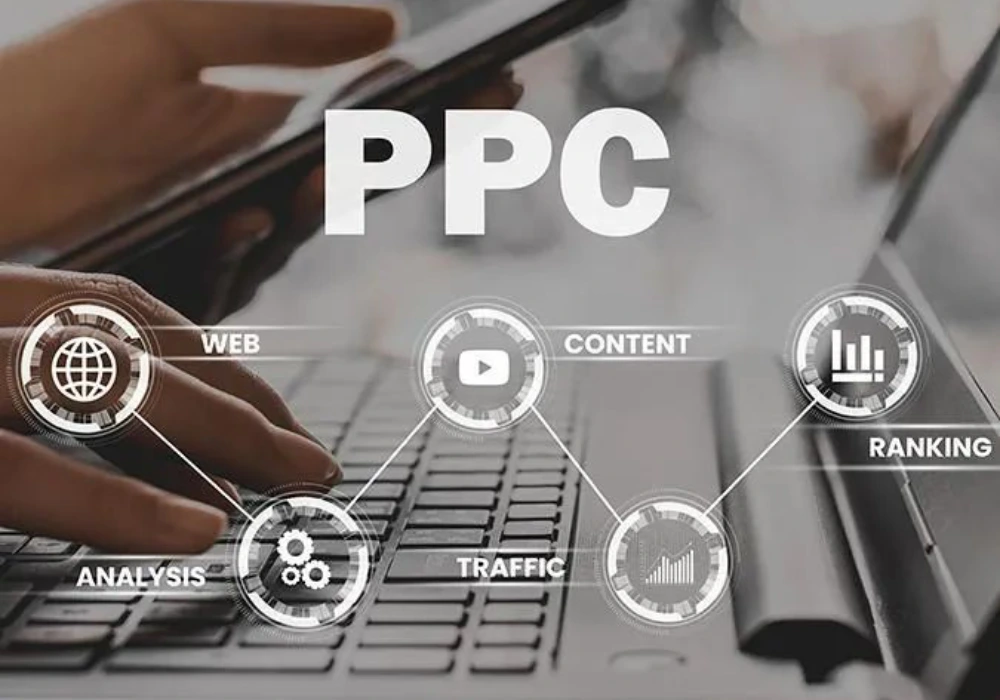
What Is Ad Fatigue in PPC Advertising?
An ad that performed strongly for months can start declining for no obvious external reason. No new competitors, no algo...
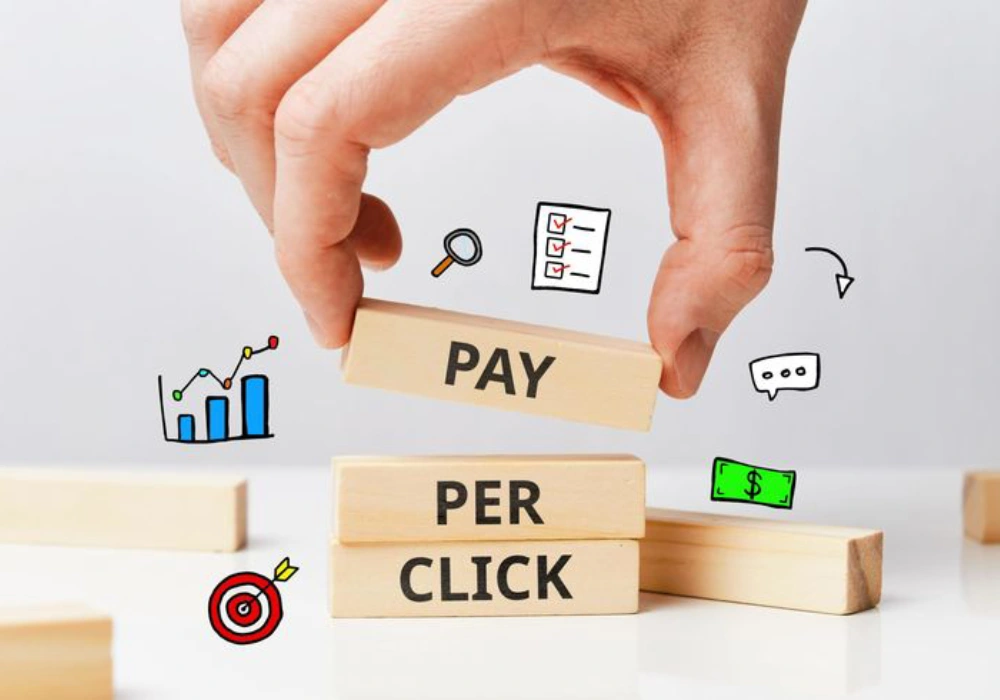
How Can You Scale a Profitable PPC Campaign?
Finding a genuinely profitable PPC campaign is hard. Scaling it without breaking what made it profitable in the first pl...

Should You Bid on Your Own Brand Name?
It seems wasteful on the surface. Why pay for a click on your own business name when your website already ranks first or...

How Do Competitor Ads Affect PPC Performance?
Your PPC campaign can stay completely unchanged, same keywords, same bids, same ad copy, and still see performance shift...
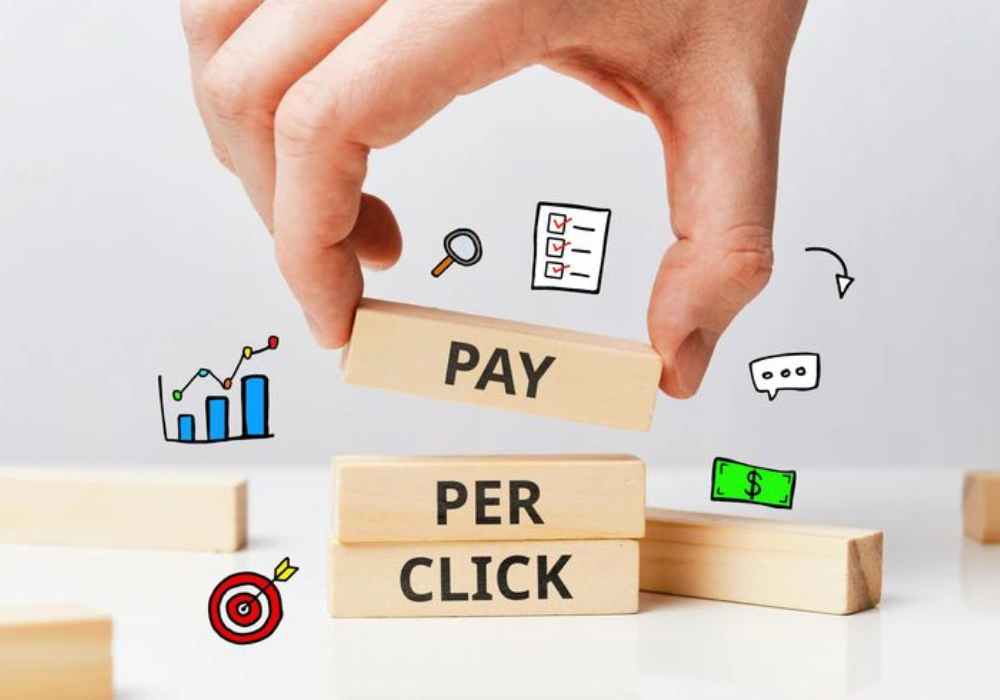
What Is Auction Insights in Google Ads?
Most Google Ads reports tell you how your own campaigns performed. Auction Insights is different, it's one of the few re...

