
-
- Digital Marketing
-
 Perf. Marketing
 E-mail Marketing
 PPC Services
 Video Marketing
 Influencer Marketing
- Social Media
 Facebook Marketing
 Instagram Marketing
 Twitter Marketing
 Pinterest Marketing
 TikTok Marketing


-
- Digital Marketing
-
Perf. Marketing
- E-mail Marketing
- PPC Services
- Video Marketing
- Influencer Marketing
- Social Media
- Facebook Marketing
- Instagram Marketing
- Twitter Marketing
- Pinterest Marketing
- TikTok Marketing
Blog
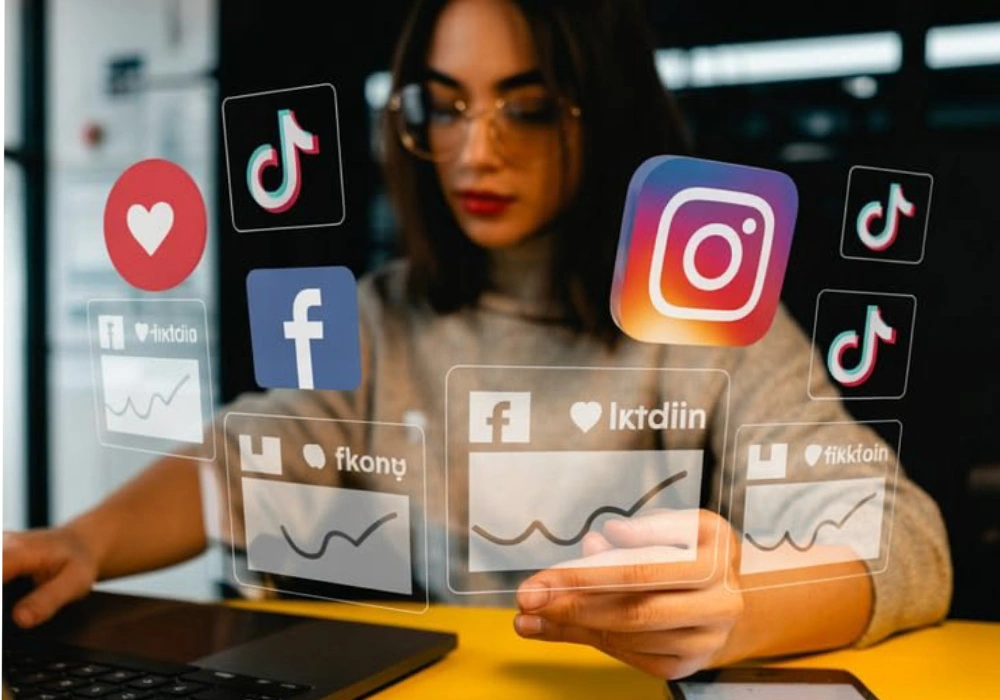
TikTok vs Instagram for Restaurants: Which Platform Drives More Bookings
Want a Quick Summary?
Summarize this article instantly with ChatGPT.
The hospitality and food service industry has always thrived on sensory appeal. Long before a guest tastes a signature dish, smells aromatic spices from an open kitchen, or absorbs the ambiance of a dining room, their appetite is triggered visually. In past decades, restaurants relied on food critics, local newspaper reviews, print guides, and word of mouth to build reputations and fill reservations. In the modern culinary economy, however, the dining journey begins almost exclusively on a mobile smartphone screen.
Social media has completely transformed hospitality marketing from passive billboard awareness into dynamic culinary storytelling. Today's diners scroll through digital feeds to decide where to celebrate birthdays, book anniversary dinners, or grab a spontaneous weeknight meal. In this high-stakes digital landscape, two social giants dominate the conversation: TikTok and Instagram. Both platforms command immense cultural attention and daily engagement, yet they operate under vastly different algorithmic frameworks, visual aesthetics, and consumer decision paths.
For restaurant owners, executive chefs, and food and beverage directors, deciding how to split creative resources and marketing capital between these channels is a critical operational decision. Misallocating marketing budgets can result in high view counts that fail to translate into actual seated guests, empty tables during off-peak hours, and missed revenue opportunities. Understanding the behavioral, mechanical, and commercial distinctions between TikTok and Instagram allows hospitality operators to build predictable guest acquisition pipelines. Hospitality brands scaling their culinary footprints in competitive gastronomic capitals often consult a seasoned tiktok marketing agency in dubai to orchestrate targeted campaigns that merge mouth-watering video storytelling with measurable table reservation volume.
The Visual Battle: How Dining Decisions Are Made on Social Media
Dining out is an inherently emotional, social, and experiential investment. Modern consumers do not simply purchase nourishment; they invest in an experience, a social gathering, and an aesthetic narrative they can share with their own networks. As a result, the food and beverage sector is uniquely susceptible to visual marketing triggers.
The customer journey on social media typically begins with visual appetite stimulation, often referred to in digital culture as craveability. A user scrolling during a commute or lunch break encounters a short video showing cheese stretching over a wood-fired crust, hot butter sizzling over a premium steak, or a vibrant mocktail infused with aromatic smoke. This instant sensory cue sparks immediate hunger and curiosity. From that initial spark, the consumer transitions to validation: they check the restaurant's location, examine menu pricing, assess dining room vibe, read diner feedback, and evaluate reservation availability.
Where TikTok and Instagram diverge is in how they facilitate this decision funnel. TikTok excels at the initial discovery spark, delivering unprecedented viral reach to audiences who were not actively looking for dining options. Instagram excels at the validation and conversion stage, providing organized digital portfolios where guests confirm operating hours, browse highlights, read comments, and tap direct reservation links. Mastering both touchpoints is the key to turning casual online scrollers into repeat paying diners.
TikTok for Restaurants: Viral Discovery, Audio, and Raw Craveability
TikTok has rapidly emerged as one of the most powerful organic foot-traffic drivers in restaurant marketing history. The platform operates on a decentralized content graph driven by multimodal machine learning. An account's existing follower count has virtually no bearing on how many people will see its next video upload. If a restaurant posts a dynamic, authentic fifteen-second clip that captures high viewer retention and triggers strong engagement, TikTok’s For You Page will push that video to hundreds of thousands of local and regional food lovers.
The primary advantages of TikTok for culinary brands include:
- Unfiltered Authenticity: TikTok audiences overwhelmingly favor unpolished, behind-the-scenes authenticity over staged corporate advertising. Sizzling grills, raw prep routines, authentic kitchen banter, and honest chef commentary perform exceptionally well.
- Audio-First Sensory Triggers: ASMR kitchen sounds, chopping rhythms, boiling broths, and trending audio hooks create a visceral sensory experience that stimulates appetite far more effectively than static imagery.
- Explosive Viral Foot Traffic: A single viral TikTok video highlighting a unique dish, secret menu item, or dramatic tableside presentation can cause immediate, overwhelming lines outside a restaurant within twenty-four hours.
- Local Search Penetration: TikTok has evolved into a primary search engine for younger demographics. Diners frequently query phrases like best pasta near me or romantic rooftop dining directly in the search bar, discovering video reviews instead of traditional text listings.
However, TikTok has distinct operational challenges. Converting viral views into confirmed table bookings requires intentional effort, as casual viewers can easily be located in distant cities or countries. Without localized paid targeting or clear geographical tagging, high view counts may not translate into local diners.
Instagram for Restaurants: Aesthetic Grids, Local Community, and Instant Action
Instagram remains the foundational digital home for hospitality prestige, community building, and direct customer conversion. While TikTok thrives on spontaneous viral novelty, Instagram acts as your restaurant’s official digital storefront and ambient lifestyle portfolio.
Instagram's core operational strengths include:
- Curated Visual Menus: The permanent profile grid allows restaurants to curate an elegant, mouth-watering menu gallery featuring high-resolution photography, architectural interior shots, seasonal specials, and cocktail programs.
- Action-Oriented Booking Integrations: Instagram features direct native action buttons—such as Reserve, Book, and Order Food—integrated with platforms like OpenTable, SevenRooms, and Resy, allowing prospective diners to secure a table without leaving the app.
- Direct Messaging for VIP Concierge: Diners frequently reach out via direct messages to inquire about private dining rooms, dietary accommodations, dress codes, and large group bookings, creating a direct white-glove sales channel.
- Story Highlights for Practical Information: Story Highlights provide permanent, accessible information hubs where guests can review current menus, parking directions, happy hour timings, and weekly event schedules.
The primary hurdle on Instagram is organic discovery. Reach on the main feed remains heavily tethered to existing follower counts. Gaining substantial new customer attention organically requires continuous Reels production and active community management.
Platform Comparison: TikTok vs Instagram for F&B Brands
The comparative matrix below evaluates the structural and commercial differences between TikTok and Instagram across key hospitality marketing dimensions:
| Factor | TikTok for Restaurants | Instagram for Restaurants |
|---|---|---|
| Core Content Aesthetic | Raw, smartphone-filmed, fast-paced kitchen action, ASMR cooking, personality-driven humor. | Polished, high-resolution food photography, curated interior styling, elegant reels. |
| Discovery Engine | Interest-based content graph (FYP); distributes content based on retention and watch time. | Social graph based on followers, supplemented by algorithmic Reels and Explore tabs. |
| Local Geographic Reach | Broad; can attract regional and international tourists, but requires location tags for local reach. | Highly concentrated; geotags, local influencer check-ins, and neighborhood hashtags dominate. |
| Direct Booking Friction | Moderate; relies on link-in-bio aggregators or third-party web landing pages. | Extremely low; native Reserve and Book buttons integrate directly with reservation platforms. |
| Shelf Life of Content | Variable; high-retention videos can resurface and circulate for weeks or months. | Short for Stories (24 hours); moderate for Reels; permanent for grid photography. |
| Primary Commercial Value | Massive brand awareness, viral item popularity, tourist discovery, and cultural hype. | Sustained local repeat diners, direct reservations, private dining inquiries, and trust. |
Menu Items, Plating, and Behind the Scenes: What Content Converts Best
Understanding which content styles yield real-world covers requires looking beyond general vanity metrics. Certain creative formats consistently deliver high booking conversion rates across both platforms.
On TikTok, behind-the-scenes access and visceral action are unmatched drivers of customer interest. Videos demonstrating intricate plating techniques, sizzling heat sources, chef confessions, and rapid-fire recipe breakdowns consistently trigger craveability. Dishes that offer dramatic kinetic movement such as molten cheese waterfalls, flambeed desserts, cracking chocolate shells, or steaming broth pours- are purpose-built for TikTok's looping algorithm. When prospective diners watch kitchen teams handling fresh ingredients with passion and skill, it builds deep culinary anticipation.
On Instagram, conversion is driven by ambient aspirational storytelling and clarity. Diners want to visualize what an evening out will feel like. High-performing content includes wide-angle interior reels showing ambient lighting during dinner service, close-up stills of perfectly plated tasting menus, cocktail pours against moody bar backdrops, and customer lifestyle shots. Highlighting practical details—such as gluten-free or vegan options, romantic corner tables, and outdoor terrace views—addresses practical dining questions and nudges guests toward tapping the reservation button.
Building a Dual-Platform Strategy That Maximizes Table Bookings
The most profitable restaurant groups and culinary brands do not choose between TikTok and Instagram. Instead, they operate an integrated, omnichannel dining funnel where both platforms reinforce each other.
In this synchronized playbook, TikTok operates as the top-of-funnel hype engine. Restaurant teams post three to five dynamic, casual videos weekly spotlighting signature menu items, kitchen action, staff personalities, and mouth-watering close-ups. This content captures vast algorithmic attention across the city and surrounding areas, generating viral curiosity and introducing the concept to food enthusiasts who were unaware of the venue.
Once hungry users discover a dish on TikTok, their natural investigative step is navigating to Instagram or Google to verify the venue. Here, Instagram serves as the ultimate validation and reservation anchor. When the prospect lands on your Instagram profile, they find a clean, curated grid of dishes, verified operating hours, tagged customer testimonials, and an unmissable Reserve button connected directly to your table management system. Casual curiosity sparked on TikTok is instantly converted into confirmed covers on Instagram.
Orchestrating this multi-platform ecosystem requires creative consistency, professional food capture, and localized audience targeting. Many premier hospitality concepts team up with a dedicated tiktok marketing agency in dubai to manage creative production, organize food influencer tasting events, deploy hyper-local paid ads, and maintain a seamless bridge between viral online reach and packed dining room floors.
By respecting the unique creative strengths of both platforms, restaurant brands can eliminate the guesswork from digital marketing. Use TikTok to ignite viral cravings and spark cultural conversation, and leverage Instagram to curate your visual identity and lock in confirmed table reservations. Combining both channels builds a resilient culinary brand that stays top-of-mind and fills dining rooms week after week.
Looking for Measurable Business Growth?
Partner with BrandStory for end-to-end digital & creative excellence.


Are You Looking for Growth?
Free instant digital marketing audit and improve performance.
Get Graded Today
Transform Your Digital Growth with BrandStory
From SEO, PPC, social media marketing, and content marketing to website development, branding, and lead generation, BrandStory delivers result-driven digital marketing services in Dubai and across the UAE, helping businesses attract, engage, and convert more customers.
Trusted by 1000+ leading brands in Dubai and globally including:




Related Blogs
TikTok Demographics in The UAE: Strategic Guide for Brands
The United Arab Emirates represents one of the most digitally saturated, economically dynamic, and technologically forwa...
.webp)
TikTok Ad Trends to Watch 2026: The Strategic Playbook
The digital advertising landscape has undergone a monumental paradigm shift heading into 2026. What once functioned as a...
TikTok Marketing Trends 2026: Strategic Playbook for Brands
The digital marketing landscape has entered a transformative era where conventional social media playbooks no longer suf...
TikTok Statistics for Marketers: Benchmarks, Demographics, and ROI Trends
For modern growth leaders, brand directors, and digital marketing strategists, short-form video has evolved from an expe...
TikTok User Statistics in The UAE: Market Analysis for Brands
The United Arab Emirates has established itself as one of the most technologically advanced, digitally connected consume...
How to Choose a TikTok Marketing Agency in Dubai
Dubai has firmly established itself as a premier global hub for commercial innovation, luxury retail, disruptive technol...

