
-
- Digital Marketing
-
 Perf. Marketing
 E-mail Marketing
 PPC Services
 Video Marketing
 Influencer Marketing
- Social Media
 Facebook Marketing
 Instagram Marketing
 Twitter Marketing
 Pinterest Marketing
 TikTok Marketing


-
- Digital Marketing
-
Perf. Marketing
- E-mail Marketing
- PPC Services
- Video Marketing
- Influencer Marketing
- Social Media
- Facebook Marketing
- Instagram Marketing
- Twitter Marketing
- Pinterest Marketing
- TikTok Marketing
Blog
The Ultimate Website Audit Checklist: Practical Guide for 2026

Want a Quick Summary?
Summarize this article instantly with ChatGPT.
A high-performing website is the foundation of digital revenue. Over time, recurring site updates, plugin modifications, and content additions create technical debt. Without a periodic health check, hidden errors accumulate, dragging down organic visibility and conversion rates.
This comprehensive website audit checklist provides a systematic framework to examine your site across technical health, on-page optimization, site speed, off-page authority, and user experience.
Phase 1: Technical SEO and Crawlability Checklist
Search engines cannot rank what they cannot access. Technical health ensures web crawlers can discover, parse, and index your content efficiently.
- Robots.txt Configuration: Verify that valid URLs, CSS files, and JavaScript assets are not blocked by accidental disallow rules.
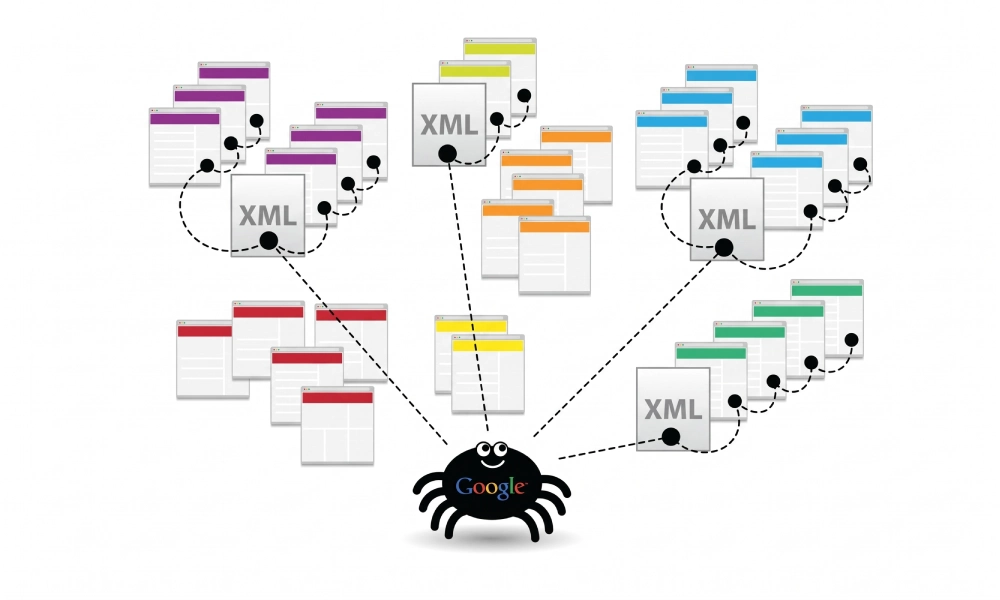
- XML Sitemap Integrity: Ensure your sitemap contains only canonical, 200 OK URLs and excludes redirected, noindex, or broken pages.
- HTTP Status Code Audit: Identify and eliminate 4xx broken links and 5xx internal server errors.
- Redirect Health: Resolve redirect chains and loops to ensure every 301 or 302 redirect points directly to its final destination in a single hop.
- Canonicalization: Confirm that self-referencing canonical tags are present on distinct URLs to prevent duplicate content flags.
- Index Coverage Verification: Check Google Search Console for exclusion categories such as "Crawled - currently not indexed" to pinpoint low-quality or thin URLs.
- SSL/TLS Security: Ensure valid HTTPS implementation with zero mixed-content warnings across scripts, images, and stylesheets.
Phase 2: On-Page and Content Quality Checklist
Content must serve user intent, communicate topical expertise, and clearly signal relevance to search algorithms.
- Title Tags: Check that every page has a unique, descriptive title tag under 60 characters with primary keywords placed early.
- Meta Descriptions: Ensure meta descriptions are distinct, compelling, and kept within 150 to 160 characters to maximize click-through rates.
- Header Tag Hierarchy: Maintain a single H1 tag per page, followed by a logical structure of H2 and H3 subheadings.
- Search Intent Alignment: Confirm page copy answers the specific problem the user searched for, whether informational, transactional, or commercial.
- Thin and Duplicate Content: Merge or remove low-value pages and resolve keyword cannibalization across competing URLs.
- Structured Data (Schema.org): Test with Google's Rich Results Test to confirm error-free schema implementation (Organization, Article, FAQ, Product, or LocalBusiness).
Phase 3: Core Web Vitals and Performance Checklist
Page load speed and visual stability directly influence bounce rates and search rankings on both desktop and mobile devices.
- Largest Contentful Paint (LCP): Ensure the primary content block loads in under 2.5 seconds.
- Interaction to Next Paint (INP): Maintain page responsiveness with input latency under 200 milliseconds.
- Cumulative Layout Shift (CLS): Keep unexpected visual shifting to a score below 0.1 by reserving space for images and dynamic banners.
- Next-Gen Image Formats: Convert legacy image formats to WebP or AVIF and configure native lazy-loading for off-screen media.
- Asset Optimization: Minify CSS, JavaScript, and HTML, while removing unused libraries and deferring non-essential scripts.
- Mobile Viewport Testing: Ensure tap targets are properly sized and content scales seamlessly across modern smartphone screens.
Phase 4: Site Architecture and Internal Links Checklist
A clean structural hierarchy distributes page authority and guides visitors toward conversion pages.
- Crawl Depth: Ensure all high-priority service and product pages sit within 3 clicks of the homepage.
- Descriptive Anchor Text: Replace generic phrases such as "click here" with context-rich, descriptive anchor links.
- Orphan Pages: Detect and re-link isolated pages that lack internal inbound links.
- Navigation Clarity: Keep header menus and breadcrumbs simple, functional, and organized logically.
Phase 5: Off-Page and Backlink Health Checklist
External links serve as authority signals. Regular profile audits safeguard your site against algorithmic suppression and negative SEO.
- Referring Domain Quality: Review domain authority and topical relevance of inbound referring domains.
- Toxic Backlink Identification: Flag unnatural link spikes, automated directory links, or low-quality anchor manipulation.
- Reclaim Broken Inbound Links: Identify external backlinks pointing to 404 pages and implement 301 redirects to recover lost link equity.
Phase 6: User Experience and Conversion Rate Optimization (CRO) Checklist
Attracting visitors produces measurable business growth only when your conversion paths are clear and frictionless.
- Form Usability: Keep inquiry forms short, test submission workflows, and verify real-time error validation.
- Call-to-Action (CTA) Visibility: Place prominent, high-contrast action buttons above the fold and at key evaluation points.
- Trust and Credibility Signals: Display client testimonials, case studies, accreditations, and clear contact information.
- Frictionless Checkouts: For e-commerce sites, test guest checkout options, multiple payment integrations, and clear shipping policies.
Quick Reference: Audit Checklist Summary Matrix
Use the matrix below to allocate resources and establish audit benchmarks:
| Audit Category | Primary Focus | Recommended Tools | Target Benchmark |
|---|---|---|---|
| Technical Health | Crawl errors, status codes, indexing | Screaming Frog, Google Search Console | 0 broken links; 100% clean indexation |
| On-Page Content | Meta tags, content quality, schema | Semrush, Ahrefs, Rich Results Test | Unique metadata; valid structured data |
| Speed and Vitals | LCP, INP, CLS, asset weight | PageSpeed Insights, Chrome DevTools | "Good" status on Core Web Vitals |
| Architecture | Crawl depth, internal anchor texts | Sitebulb, Screaming Frog | Core pages within 3 clicks from homepage |
| Backlink Profile | Domain trust, reclaimed 404s | Ahrefs, Moz Link Explorer | Natural anchor spread; zero toxic networks |
| UX and CRO | Lead forms, conversion paths, CTAs | Hotjar, Google Analytics 4 | Frictionless submissions; low drop-off |
Prioritizing Audit Findings by Business Impact
To avoid getting overwhelmed by a long list of recommendations, group your findings into an impact-versus-effort framework:
- Critical Priority: Fix technical issues that block revenue or visibility immediately, such as sitewide noindex tags, 5xx server crashes, broken payment gateways, and expired SSL certificates.
- High Priority: Resolve items that hinder ranking capability, including redirect chains, poor Core Web Vitals on revenue pages, duplicate content, and keyword cannibalization.
- Medium Priority: Implement incremental improvements like missing image alt texts, non-performing meta descriptions, and orphaned blog posts.
- Low Priority: Handle backlog cleanups such as minor styling quirks or legacy asset pruning on low-traffic archive URLs.
In-House Audits vs. Professional Auditing Services
While automated tools help identify basic issues quickly, solving complex architecture problems such as international hreflang setups, JavaScript rendering bugs, and enterprise migration strategies requires experienced diagnostic oversight.
For organizations looking for an exhaustive, developer-ready diagnostic roadmap, partnering with an experienced agency saves time and prevents costly operational mistakes. Explore dedicated website audit services in Dubai to eliminate underlying technical barriers and accelerate your search growth.
Next Steps: Put the Checklist to Work
An audit checklist is only useful when paired with consistent implementation. Crawl your domain, document issues systematically, prioritize tasks by business value, and re-crawl your site to verify every fix. Maintaining a proactive audit schedule ensures your website remains fast, accessible, and primed for long-term organic growth.
Looking for Measurable Business Growth?
Partner with BrandStory for end-to-end digital & creative excellence.


Are You Looking for Growth?
Free instant digital marketing audit and improve performance.
Get Graded Today
Transform Your Digital Growth with BrandStory
From SEO, PPC, social media marketing, and content marketing to website development, branding, and lead generation, BrandStory delivers result-driven digital marketing services in Dubai and across the UAE, helping businesses attract, engage, and convert more customers.
Trusted by 1000+ leading brands in Dubai and globally including:




Related Blogs
Internal Linking Best Practices for Technical SEO and User Experience
Search engine optimization strategies often focus heavily on acquiring external backlinks. However, the internal hyper...

How to Audit Internal Links: Step-by-Step Technical Guide
Internal links are the structural pathways connecting the architecture of your website. While backlinks from external ...

How to Find Keyword Cannibalization: Practical Detection Guide
Keyword cannibalization occurs when two or more pages across the same website target the identical keyword, topic, or ...

How to Find Content Gaps on Your Website: A Practical Guide
Building high-performing search engine optimization campaigns requires more than publishing new articles on generic in...

How to Do a Content Audit for SEO: A Step-by-Step Guide
Publishing new blog articles, category pages, and service descriptions continuously without reviewing legacy assets le...

How to Identify and Fix Keyword Cannibalization: Complete SEO Guide
When multiple pages on the same website target the exact same keyword or search intent, search engines struggle to ide...

