
-
- Digital Marketing
-
 Perf. Marketing
 E-mail Marketing
 PPC Services
 Video Marketing
 Influencer Marketing
- Social Media
 Facebook Marketing
 Instagram Marketing
 Twitter Marketing
 Pinterest Marketing
 TikTok Marketing


-
- Digital Marketing
-
Perf. Marketing
- E-mail Marketing
- PPC Services
- Video Marketing
- Influencer Marketing
- Social Media
- Facebook Marketing
- Instagram Marketing
- Twitter Marketing
- Pinterest Marketing
- TikTok Marketing
Blog
Step-by-Step Tutorial: How We Achieve 5X Organic Growth in 5 Steps

Want a Quick Summary?
Summarize this article instantly with ChatGPT.
Scaling organic search visibility is frequently treated as an unpredictable art form. Marketing teams publish batches of disconnected blog posts, sprinkle keywords across existing pages, build random directory links, and hope that search engine algorithms grant them higher rankings. When results plateau, agencies often blame algorithm updates, claiming that organic search has become too saturated for ambitious brands to break through.
Organic search is not a game of chance. It is an exacting software and information architecture discipline governed by computational linguistics, crawl economics, and user intent fulfillment. Achieving five times organic growth does not happen by accident, nor does it require publishing hundreds of thin articles. It demands an engineered, repeatable five-step framework that systematically eliminates technical bottlenecks, builds deep topical entity authority, and establishes verifiable industry credibility. Stepping through this tutorial reveals the operational methodology we execute to transform stagnant websites into high-converting digital assets that dominate competitive search landscapes.
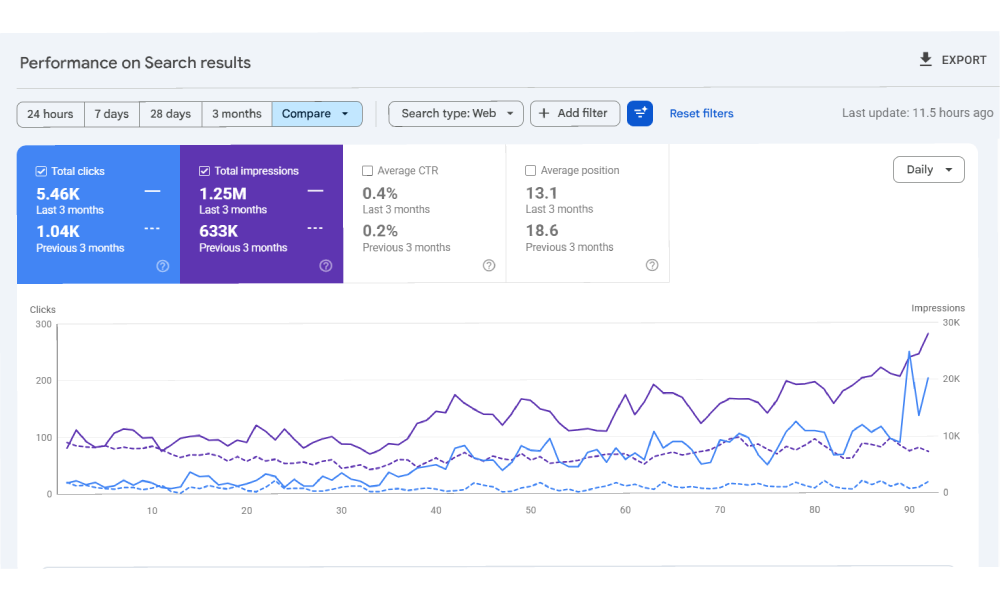
The 5-Step Organic Growth Execution Matrix
Scaling organic search traffic requires coordinating technical infrastructure, on-page semantics, content architecture, internal link distribution, and external brand authority. Skipping any individual phase creates structural leaks that suppress domain authority.
| Step | Core Operational Discipline | Primary Focus Area | Direct Commercial Outcome |
|---|---|---|---|
| Step 1 | Technical Architecture & Crawl Budget | Document Object Model cleanup, Core Web Vitals, server latency, and index bloat. | Flawless crawler discovery, zero wasted crawl budget, and sub-second mobile rendering. |
| Step 2 | Topical Entity & Intent Architecture | Semantic topic clustering, entity relationship mapping, and search intent alignment. | Recognition as a primary category authority by search engines and generative AI models. |
| Step 3 | High-Information-Gain Content Creation | Data-backed analysis, original case studies, structured answers, and clear tables. | Higher user engagement, reduced bounce rates, and increased organic citation share. |
| Step 4 | Semantic Internal Link Hierarchies | Tiered hub-and-spoke linking, contextual descriptive anchors, and orphan cleanup. | Strategic distribution of PageRank equity directly to high-margin commercial landing pages. |
| Step 5 | Authoritative Digital PR & Entity Validation | Tier-one editorial citations, brand mentions, and schema knowledge graph validation. | Durable domain authority that insulates rankings against major core algorithm updates. |
Step 1: Resolve Technical Debt and Maximize Crawl Efficiency
The foundation of organic growth begins at the server and code layer. Search engine crawlers have finite processing resources allocated to each domain. If a crawler encounters broken redirect chains, slow server responses, infinite URL parameters, or heavy JavaScript render blocks, it truncates its crawl session. When search bots cannot reach or parse your pages efficiently, your content will fail to rank, regardless of editorial quality.
Executing an aggressive technical cleanup removes the invisible friction holding your domain back. Partnering with a dedicated SEO services company in Dubai ensures that your web infrastructure is audited and hardened against crawl budget waste, mobile rendering delays, and indexation errors.
Core Technical Remediation Checklist
- Eliminate Crawl Waste and Parameter Bloat: Add self-referencing canonical tags, configure server directives in the robots.txt file to block dynamic search filter URLs, and eliminate four-o-four errors on high-priority paths.
- Resolve Multi-Hop Redirect Chains: Trace all internal redirects and update links to point directly to the final destination URL (two-hundred HTTP status code), preserving crawl equity.
- Optimize Core Web Vitals: Remove render-blocking third-party scripts, compress imagery into next-generation WebP or AVIF formats, and eliminate Cumulative Layout Shift by setting explicit height and width parameters on media elements.
- Prune Low-Quality and Zombie Pages: Identify thin, outdated, or duplicate URLs that generate zero organic traffic. Apply three-o-one redirects to consolidate link equity into primary pillar pages, or apply noindex directives to administrative paths.
Step 2: Map Semantic Topical Entities and Intent Clusters
The second phase transitions from technical accessibility to semantic relevance. Modern search platforms evaluate content through natural language processing and semantic entity graphs. An algorithm does not assess a webpage as an isolated string of repeated words; it evaluates whether an entire domain covers a subject with sufficient depth, accuracy, and completeness to qualify as an expert source.
To scale organic search footprint fivefold, abandon superficial keyword research. Do not build content around isolated head terms that yield high bounce rates from casual searchers. Instead, map comprehensive topical clusters that cover every commercial, comparative, and technical question a prospective buyer asks during their evaluation journey.
The Intent Mapping Hierarchy
- Transactional Core Pillars: High-intent commercial landing pages targeting users searching for specific services, procurement terms, and provider comparisons.
- Commercial Investigation Hubs: In-depth comparative resources that evaluate distinct methodologies, pricing models, and technical approaches within your industry.
- Informational Support Assets: Deep-dive procedural guides, regulatory breakdowns, and technical explanations that capture buyers at the earliest stage of problem identification.
- Direct-Answer Micro-Units: Concise, machine-readable answer blocks designed specifically for extraction by search engine featured snippets and generative answer engines.
Step 3: Engineer High-Information-Gain Content
The web is flooded with generic content that rephrases top-ranking search results without contributing original insight. Search engines recognize and devalue derivative content that provides zero incremental value to searchers. To achieve compounding organic growth, every page deployed on your domain must possess high information gain.
Information gain means delivering unique value: original data sets, proprietary client case studies, step-by-step methodologies, and transparent pricing or operational frameworks. When prospective clients land on your pages, they must find clear, authoritative solutions rather than generic corporate fluff. High-information-gain content reduces user bounce rates, increases dwell time, and earns natural editorial citations from industry publications.
Essential Standards for High-Yield Content
- Direct Answers in Opening Sections: State the core answer, definition, or recommendation directly within the first two sentences of a section, eliminating unnecessary introductory filler.
- Data Summaries via Native Tables: Structure complex comparative metrics, service tiers, and technical specifications into clean HTML tables for scanning.
- Proprietary Case Evidence: Incorporate verified data and real-world outcomes from client engagements to demonstrate verifiable first-hand experience.
- Comprehensive Objection Handling: Directly confront common buyer hesitations, such as implementation timeframes, costs, and common industry failure points.
Step 4: Construct Semantic Internal Linking Hierarchies
Once authoritative content is published, internal link architecture directs search crawler traffic and distributes PageRank equity throughout your digital ecosystem. Many websites fail to rank because their best content exists on isolated islands, disconnected from the rest of the site taxonomy.
A disciplined internal linking framework treats link equity like water flowing through an irrigation system. Link equity earned by high-authority pages must be guided intentionally to high-margin commercial landing pages. Use descriptive, contextual anchor text that explicitly describes the destination page topic, avoiding vague phrases like click here or read more.
Internal Linking Workflow
- Establish Silo Integrity: Group related sub-topics into strict topical silos. Ensure all informational guides within a specific silo link upward to their primary service pillar page.
- Implement Bidirectional Hub Linking: Every supporting article must link back to its core commercial category, and the primary category page must link down to its key supporting guides.
- Eliminate Orphan Pages: Audit site architecture using crawler tools to identify published pages that lack incoming internal links from within the main content body.
- Vary Anchor Text Profiles: Maintain descriptive, context-rich anchor phrases that reflect relevant secondary queries without creating artificial, repetitive keyword strings.
Step 5: Secure Authoritative Digital PR and Entity Citations
The final step required to achieve five times organic growth is external validation. Search algorithms evaluate off-page trust signals to verify whether a brand is genuinely respected within its market sector. Inexperienced marketers often attempt to rush this process by purchasing automated directory links or private blog network placements, which risk triggering algorithmic devaluations.
Sustainable growth requires earned authority through targeted digital PR. Focus on securing editorial mentions, expert commentary features, and contextual citations from recognized trade journals, regional news outlets, and accredited industry associations. These high-tier links act as verified endorsements of your domain's credibility, cementing your rankings at the top of the search results.
Entity Validation and External Trust Drivers
- Industry Thought Leadership: Provide verified journalists and industry publications with proprietary market data, expert commentary, and comprehensive technical research.
- Advanced Schema Architecture: Implement valid Organization, Person, Service, and SameAs schema markup to connect your website with official corporate profiles on LinkedIn, Crunchbase, and government registries.
- Author Credibility Markers: Include detailed author biographies on all technical and analytical guides, detailing professional credentials, verified experience, and academic background.
- Regional Citation Governance: Maintain complete consistency in corporate name, physical address, and telephone records across regional business directories.
The Compounding Mathematics of Organic Growth
Scaling a digital footprint fivefold is an engineering outcome that rewards disciplined operational execution. When you systematically eliminate technical crawl debt, map semantic entity clusters, produce content with high information gain, channel internal link equity, and validate your brand through authoritative digital PR, your search presence transforms into a compounding commercial asset.
Stop relying on superficial tactics and temporary shortcuts. Execute this five-step framework methodically across your digital properties, eliminate conversion friction, and build an authoritative digital ecosystem engineered for sustainable commercial dominance.
Looking for Measurable Business Growth?
Partner with BrandStory for end-to-end digital & creative excellence.


Are You Looking for Growth?
Free instant digital marketing audit and improve performance.
Get Graded Today
Transform Your Digital Growth with BrandStory
From SEO, PPC, social media marketing, and content marketing to website development, branding, and lead generation, BrandStory delivers result-driven digital marketing services in Dubai and across the UAE, helping businesses attract, engage, and convert more customers.
Trusted by 1000+ leading brands in Dubai and globally including:




Related Blogs

Checklist: Are You Ready for the Shift from Search to AI Engines
The mechanics of global online discovery are undergoing their most disruptive transformation since the invention of the ...

Debunking 7 Major Myths About Search Engine Optimization (SEO)
Few areas of digital business are as misunderstood as search engine optimization. Because search algorithms evolve conti...

5 Costly Mistakes Everyone Makes When Starting SEO
Search engine optimization remains one of the most powerful acquisition channels in modern commerce, offering compoundin...

How to Optimise an Existing Page for SEO: On-Page Framework
Optimising an existing web page for search engines is one of the highest-yield initiatives in digital marketing. Unlike ...

How to Show Experience and Expertise on UAE Business Websites: E-E-A-T Architecture
In the digital economy of the United Arab Emirates, establishing demonstrable professional authority is a direct comme...

How to Refresh Old Blog Posts for Rankings: Content Revamp Guide
Content decay is an inevitable reality in organic search. Even articles that once commanded top three positions on Googl...

