
-
- Digital Marketing
-
 Perf. Marketing
 E-mail Marketing
 PPC Services
 Video Marketing
 Influencer Marketing
- Social Media
 Facebook Marketing
 Instagram Marketing
 Twitter Marketing
 Pinterest Marketing
 TikTok Marketing


-
- Digital Marketing
-
Perf. Marketing
- E-mail Marketing
- PPC Services
- Video Marketing
- Influencer Marketing
- Social Media
- Facebook Marketing
- Instagram Marketing
- Twitter Marketing
- Pinterest Marketing
- TikTok Marketing
Blog
Site Architecture & SEO: Organize Your Website the Right Way
Want a Quick Summary?
Summarize this article instantly with ChatGPT.
In today's digital-first era, a website is no longer just a mere virtual store website that constitutes the entire online presence of a brand. But no matter how beautiful or persuasive the design and messaging are, if the website lacks good organization, neither search engines nor users will find it valuable. Hence, site architecture is a major issue in SEO.
A sound site architecture improves search visibility and works in conjunction with better UX and SEO performance. Designing seamless digital journeys for brands, beginning with practical website architecture, makes both search engines and user experience smooth.
Let us begin by understanding how efficient site architecture fuels SEO efficacy and how to build a website right.
What Is Site Architecture in SEO?

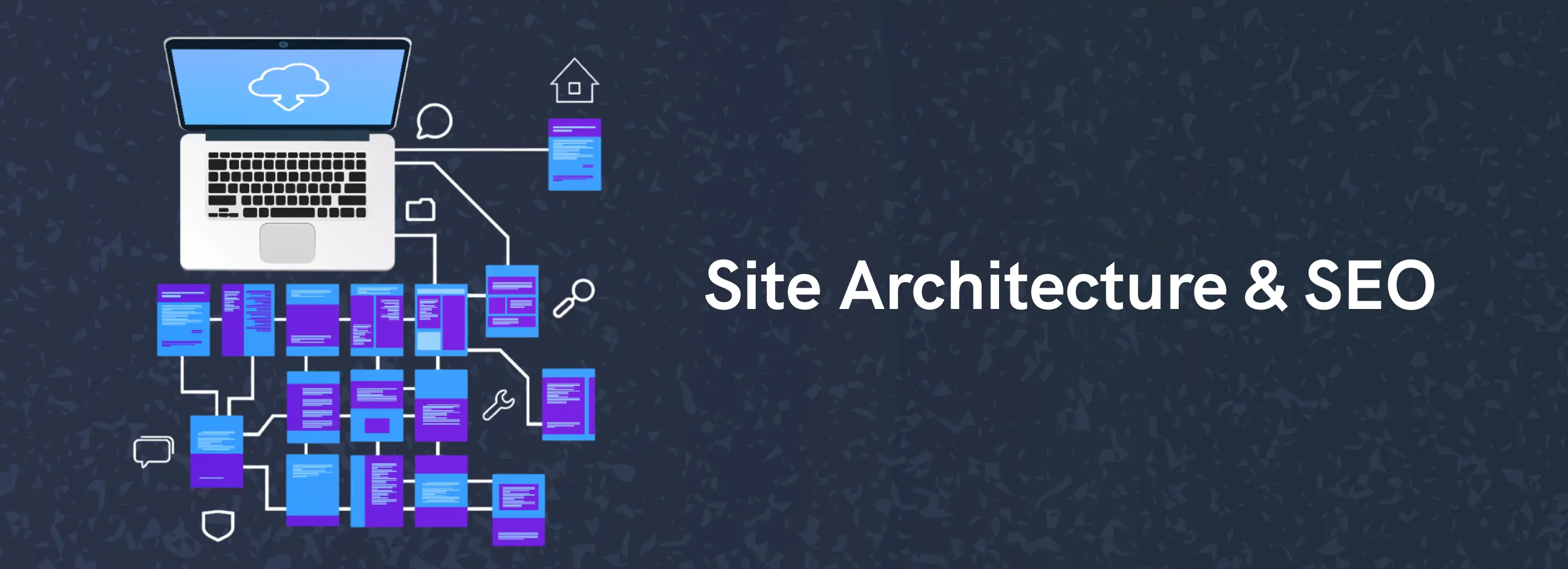
Site architecture is the way pages in a website are structured and linked together. It is essentially the blueprint of how your site pages are grouped and categorized and how they are made accessible from the homepage. In SEO terms, a strong site architecture helps search engine bots crawl and index your content efficiently.
From the user standpoint, site architecture determines if they will be able to navigate the site with ease and locate the information they want to perform a specific action. For search engines like Google, a clear and well-linked structure means the topic relevance and importance of a page.
Why Site Architecture Matters for SEO?
Let’s break down the SEO benefits of proper site architecture:
1. Improved Crawlability
Search engine bots rely on internal links and structure to discover content. A disorganized site with scattered or orphaned pages may prevent Google from indexing crucial content. A logical, hierarchical structure ensures bots can crawl every page effectively.
2. Efficient Indexing
Google doesn’t index every page of a large site unless it deems them important. Site architecture, with strategic linking and categorization, helps highlight high-value content, ensuring it gets indexed and ranked.
3. Link Equity Distribution
Internal links pass authority from high-ranking pages to others. A good structure spreads this link equity efficiently across your website, improving the visibility of multiple pages—not just your homepage.
4. Better User Experience
Google’s algorithm increasingly favors user behavior. If your structure aids fast, intuitive navigation, users stay longer, bounce less, and engage more—all positive SEO signals.
5. Sitelinks in Search Results
Well-organized websites can be rewarded with site links in Google’s search results—those extra links under your main result that help users navigate directly to key sections. This boosts click-through rate (CTR) and brand credibility.
Core Principles of SEO-Friendly Site Architecture
To ensure your site ranks well and satisfies both bots and humans, follow these core site architecture principles:
- Use a Flat, Hierarchical Structure Aim for a flat site structure, where every page is reachable within three to four clicks from the homepage. This enhances crawlability and reduces the chance of orphan pages. Use categories and subcategories logically: Example: · Home · Products · Electronics · Smart TVs This structure ensures optimal depth and accessibility.
- Design Clear URL Structures Your URL paths should reflect your site’s hierarchy. Descriptive, keyword-rich URLs are easier for users to understand and for Google to rank. Good URL: www.example.com/blog/seo-best-practices Bad URL: www.example.com/post?id=1234
- Create an XML Sitemap An XML sitemap acts as a roadmap for search engines. It lists all important URLs you want indexed and helps bots navigate even if your internal linking is imperfect.
- Implement Internal Linking Strategically Internal links connect your pages, guiding users and distributing link equity. Use descriptive anchor text (e.g., "SEO audit checklist") rather than generic text like “click here.” This enhances both contextual relevance and keyword association.
- Avoid Duplicate Content and Cannibalization Poor structure often results in duplicate pages or multiple URLs targeting the same keyword. This causes keyword cannibalization and confuses Google about which page to rank. Define one canonical page per topic and interlink judiciously.
Best Practices for Structuring Different Website Types
Depending on your website's purpose, the structure will vary. Here’s how to adapt:
1. For eCommerce Websites
Organize products into clear categories and subcategories.
Create separate pages for each product, not just lists.
Implement faceted navigation carefully (e.g., filters for price and color), ensuring it doesn’t create duplicate URLs.
Optimize internal search pages for user experience, not for indexing.
2. For Blog and News Sites
Use topic clusters to group related content.
Link new blog posts to pillar pages (comprehensive guides on a main topic).
Archive old posts by date and category.
Avoid excessive tagging—too many tags can dilute your site’s structure.
3. For Corporate/Service Websites
Organize services under solution-based categories.
Include location-based landing pages if targeting specific regions.
Maintain a Resources section for case studies, whitepapers, and blogs.
Tools to Audit and Optimize Site Architecture
We recommend using tools that can help audit and enhance your site structure:
- SEMrush Site Audit: Detects crawl issues, broken links, and structure gaps.
- Screaming Frog SEO Spider: Visualizes your architecture by crawl depth and link flow.
- Google Search Console: Monitors how Google indexes and navigates your site.
- Yoast SEO (for WordPress): Provides internal linking suggestions and SEO tips.
Avoid overstuffing. The goal is natural integration to build relevance and context.
Common Site Architecture Mistakes to Avoid
Even well-intentioned designs can go wrong. Watch out for these pitfalls:
- Too Deep Navigation When important pages are buried too deep (beyond 4 clicks), bots may overlook them, and users may struggle to find them.
- Orphan Pages Pages without internal links are considered orphaned—they’re invisible to crawlers and visitors unless directly accessed.
- Overuse of JavaScript Navigation Search engines sometimes struggle with JavaScript-heavy menus. Always include an HTML fallback and static links.
- Unoptimized Mobile Structure With mobile-first indexing, ensure your mobile site maintains the same structure and navigational ease as your desktop version.
Future-Proofing SEO: Entity-Based Architecture
As Google shifts toward semantic search, structuring content by topics and entities (people, places, brands, services) is gaining importance. Hence, this is where your site must be organized, not just by keywords, but also by the context in which information is linked.
For example, instead of treating “SEO” as a standalone keyword, generate a content junction that links it with related entities like “search engine,” “Google algorithm,” “technical SEO,” and “content optimization.”
Final Thoughts
We believe that successful SEO starts with a well-organized foundation. Site architecture is not just about pleasing Google, it’s about guiding your visitors through a seamless journey from interest to action.
Investing in a solid structure today pays dividends in visibility, traffic, and trust tomorrow.
Remember:
If users can find it easily, so can Google.
If it’s valuable to users, it’ll be valuable to your SEO.
Need help restructuring your website for better SEO performance? Let the best SEO agency in Dubai guide your growth. From strategy to implementation, we turn digital chaos into structured success.
Get in touch with us today to audit your website’s architecture and unlock its full SEO potential.
Looking for Measurable Business Growth?
Partner with BrandStory for end-to-end digital & creative excellence.


Are You Looking for Growth?
Free instant digital marketing audit and improve performance.
Get Graded Today
Transform Your Digital Growth with BrandStory
From SEO, PPC, social media marketing, and content marketing to website development, branding, and lead generation, BrandStory delivers result-driven digital marketing services in Dubai and across the UAE, helping businesses attract, engage, and convert more customers.
Trusted by 1000+ leading brands in Dubai and globally including:




Related Blogs

How to Fix Mobile Usability Issues: Step-by-Step Technical Guide
With Google operating entirely on mobile-first indexing, search engine crawlers assess, index, and rank web pages base...
How to Fix JavaScript SEO Issues: Complete Technical Guide
Modern web development relies heavily on JavaScript frameworks like React, Next.js, Vue, Angular, and Nuxt to build ri...

How to Fix Soft 404 Errors: Complete Technical SEO Guide
A Soft 404 error occurs when a web server responds with an HTTP 200 OK status code signaling success, but search engin...
How to Set Up Hreflang Tags: Technical SEO Implementation Guide
The hreflang attribute is an HTML specification that informs search engines about the language and geographical target...

How to Fix Mixed Content Errors: Complete Security Guide
A mixed content error occurs when an initial webpage loads securely over HTTPS, but subresources such as images, scrip...

How to Fix Missing Meta Descriptions: Complete SEO Guide
A missing meta description occurs when an HTML document lacks a <meta name="description"> tag in its <head>...

