
-
- Digital Marketing
-
 Perf. Marketing
 E-mail Marketing
 PPC Services
 Video Marketing
 Influencer Marketing
- Social Media
 Facebook Marketing
 Instagram Marketing
 Twitter Marketing
 Pinterest Marketing
 TikTok Marketing


-
- Digital Marketing
-
Perf. Marketing
- E-mail Marketing
- PPC Services
- Video Marketing
- Influencer Marketing
- Social Media
- Facebook Marketing
- Instagram Marketing
- Twitter Marketing
- Pinterest Marketing
- TikTok Marketing
Blog
Mobile App Vs Mobile Website: Architecture, UX, and Strategic Guide
Want a Quick Summary?
Summarize this article instantly with ChatGPT.
Deciding between a dedicated mobile app and a responsive mobile website is one of the most critical digital strategy choices for businesses, product managers, and enterprise leaders. Both channels connect organizations with mobile smartphone users, but they serve fundamentally different positions in the customer acquisition, engagement, and retention funnel.
A mobile website provides universal accessibility, instant search engine visibility, and zero-friction discovery across all web browsers without requiring installation. In contrast, a mobile application offers high-speed local processing, persistent home screen real estate, offline resilience, and full access to smartphone hardware capabilities. Selecting the wrong primary channel or misallocating resources can lead to high acquisition costs, poor conversion rates, or over-engineered technical solutions. Below is a comprehensive technical, operational, and commercial comparison between mobile apps and mobile websites.
Overview: Core Architectural Foundations
Understanding how content executes across mobile devices highlights why user experiences diverge between the two mediums:
1. Mobile Websites (Responsive Web Architecture): Built using foundational web standards (HTML5, modern CSS3, JavaScript/TypeScript) and rendered inside mobile browser engines like WebKit (Safari) or Blink (Chrome). Content is fetched from remote web servers per request or cached via basic service worker protocols. Users access mobile websites instantly via URLs, search engine results, social media links, or QR codes without installation barriers.
2. Mobile Applications (Native or Compiled Binary Architecture): Built specifically for mobile operating systems (using Swift for iOS, Kotlin for Android, or cross-platform toolchains like Flutter). Mobile apps are packaged into binary files (IPA or APK/AAB) and distributed through the Apple App Store or Google Play Store. The application files install directly on user hardware, running compiled machine instructions with direct access to GPU pipelines, internal secure storage, and hardware sensors.
Mobile App vs Mobile Website Comparison Matrix
Review this reference matrix to evaluate the technical capabilities, user behaviors, and commercial metrics across both platforms:
| Evaluation Dimension | Mobile Application (iOS / Android) | Mobile Website (Responsive Web) | Commercial / Strategic Impact |
|---|---|---|---|
| User Acquisition & Discovery | High friction; requires app store search and download | Zero friction; instant discovery via Google search and links | Websites lead top-of-funnel discovery; apps dominate retention |
| Rendering Performance | High speed; steady 60fps to 120fps with GPU acceleration | Browser dependent; potential DOM layout recalculation lag | Apps deliver significantly smoother navigation and micro-animations |
| Hardware API Access | Full access to camera, Bluetooth, GPS, biometrics, sensors | Heavily sandboxed by mobile browser permissions | Apps are required for advanced IoT, scanning, and hardware controls |
| Push Notifications | Reliable system push notifications via APNs and FCM | Supported on Android; restricted on iOS unless saved to screen | Apps generate substantially higher long-term customer re-engagement |
| Offline Operation | Full offline execution via local SQLite, Room, or CoreData | Limited caching via service workers and browser storage | Apps ensure reliable functionality in dead zones and transit |
| Checkout Conversion Rates | High conversion; one-tap Apple Pay and biometric validation | Moderate conversion; manual card entry and session drops | Mobile apps yield higher average order values and checkout completion |
| Maintenance & Deployment | App store review cycles (24 to 48 hours for updates) | Instant deployment; live server updates in real time | Websites provide rapid continuous deployment without review gates |
| Initial Development Cost | Moderate to high; requires dedicated mobile engineering | Lower to moderate; single responsive web development codebase | Websites minimize initial investment; apps maximize lifetime customer value |
1. User Discovery, Acquisition, and Accessibility
The method by which consumers discover your brand defines how effectively each platform converts visitors:
Mobile Website Discovery Advantages
- Universal Reach: Anyone with an internet connection and a web browser can access your mobile site across any device, operating system, or screen dimension without downloading software.
- Organic Search Engine Optimization (SEO): Web pages are directly indexed by search engines like Google. High-intent search queries drive organic web traffic straight to dedicated landing pages, capturing top-of-funnel prospective buyers.
- Frictionless Social and Campaign Sharing: Direct URLs can be shared through WhatsApp, social media feeds, SMS campaigns, and email marketing, allowing prospective customers to view content with a single click.
Mobile Application Acquisition Realities
- The Download Barrier: Asking a first-time visitor to visit an app store, authenticate their account, wait for a 50MB download, and grant device permissions creates massive friction. User drop-off during this process can exceed 80% for uncommitted visitors.
- App Store Optimization (ASO): Mobile applications rely on official store algorithms, category rankings, and user reviews for organic store discovery. While competitive, reaching top category rankings unlocks high-intent consumer traffic.
2. User Experience, Performance, and Hardware Access
Once a user enters your digital touchpoint, technical architecture directly dictates speed, responsiveness, and interaction quality:
Unrestricted Native Hardware Control: Mobile applications interface directly with the device operating system. They interact seamlessly with biometric Face ID authentication, background geolocation services, NFC contactless readers, accelerometer sensors, and the Apple Neural Engine. Complex gestures like swiping, pinch-to-zoom, and inertial scrolling respond with zero input latency because layout views compile directly to machine code.
Browser Sandbox Constraints: Mobile websites operate inside a secure browser sandbox designed to protect device resources and user privacy. Mobile web browsers restrict direct background processing, block continuous Bluetooth Low Energy communication, and impose memory thresholds that can cause heavy pages to refresh unexpectedly on older smartphones.
3. User Retention, Engagement, and Conversion Dynamics
Commercial performance and customer lifetime value diverge sharply between website visitors and app users:
- Push Notification Capabilities: Push notifications are the most effective re-engagement tool in digital commerce. Native mobile apps deliver rich media push notifications, personalized transactional updates, and dynamic lock screen widgets with near-perfect reliability. On iOS, mobile websites cannot trigger web push unless the user explicitly saves the site to their home screen, cutting web re-engagement potential.
- Frictionless Mobile Checkout: Mobile apps retain authenticated user sessions permanently. By integrating native Apple Pay and Google Pay tokenization, checkout workflows require only a quick glance or fingerprint scan, eliminating manual billing inputs and raising checkout completion rates by 20% to 40% over mobile web checkouts.
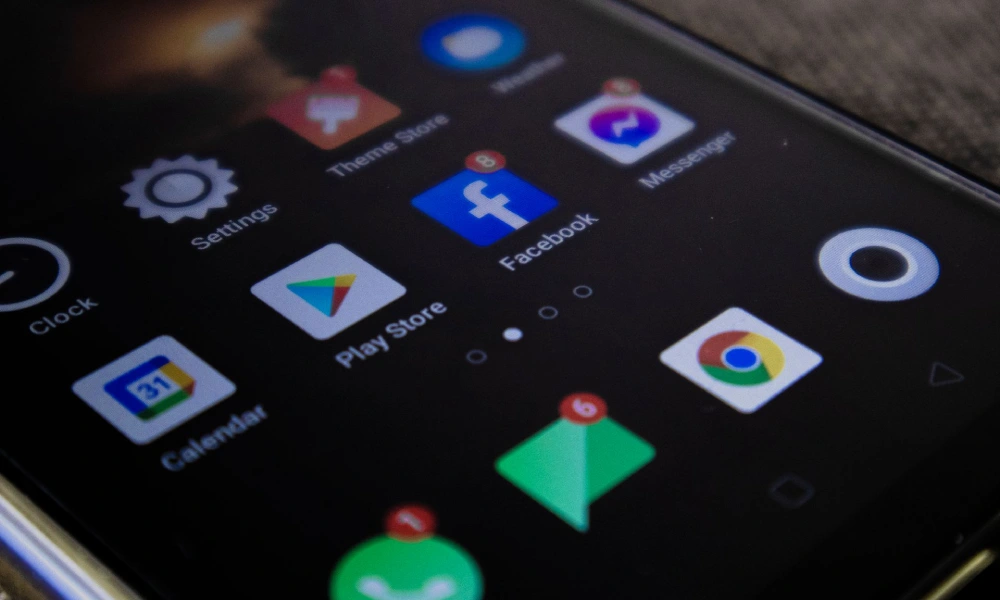
- Dedicated Home Screen Presence: Installing an app places your brand icon directly on the user's home screen, functioning as a persistent daily visual reminder that drives repeat visits and brand loyalty.
Determining whether to prioritize an accessible web presence or invest in a high-converting mobile application, designing seamless checkout workflows, and building scalable software architectures requires seasoned digital expertise. Collaborating with an experienced mobile app development company allows commercial founders and enterprise teams to evaluate platform requirements objectively, engineer performant native iOS, Android, and cross-platform Flutter applications, configure frictionless Apple Pay integrations, and build digital platforms that pass strict store guidelines while accelerating business growth across the UAE and regional GCC markets.
4. Cost Structures, Development Lifecycles, and Maintenance
Evaluating long-term technical budgets requires analyzing deployment mechanisms and ongoing maintenance requirements:
- Continuous Web Deployment: Mobile websites reside on central web servers. Code refactoring, security patches, visual redesigns, and pricing updates deploy instantly to all users worldwide without waiting for third-party approval.
- Store Review Protocols: Mobile applications must navigate strict App Store and Google Play review policies. Binary updates, hotfixes, and compliance modifications require packaging, code signing, and store team approvals before reaching end users.
- Maintenance Overheads: While a responsive website shares a single codebase across desktop and mobile browsers, native mobile applications require ongoing updates to maintain compatibility with annual iOS and Android operating system upgrades.
Decision Framework: Which Platform Should You Prioritize?
Use these strategic guidelines to determine whether a mobile app or a mobile website should lead your roadmap:
Prioritize a Mobile Website If:
- Your primary business objective is driving brand awareness, top-of-funnel customer acquisition, and organic search engine discovery.
- Your content is largely informational (news publications, corporate marketing sites, educational blogs, or real estate listings).
- You have a limited initial budget and need to reach users across all devices and screen sizes immediately.
- You plan to iterate and update your content, product catalog, or promotional pricing daily without app store submission delays.
Prioritize a Mobile Application If:
- Your product model requires repeat, frequent user interactions (banking, on-demand delivery, social networks, fitness tracking, or ride-hailing).
- Your user journey demands hardware integration like camera barcode scanning, Bluetooth device pairing, or persistent GPS tracking.
- Your business relies on high-converting mobile transactions, subscription retention, and personalized push notifications.
- Your users need reliable offline access to tools, databases, or stored media when connectivity is poor.
Conclusion
The choice between a mobile app and a mobile website is rarely an either-or scenario; rather, they serve complementary roles within a unified digital strategy. A mobile website is the premier vehicle for building brand awareness, attracting organic search traffic, and educating first-time visitors with zero friction. A mobile application is the ultimate tool for cultivating loyalty, maximizing checkout conversion rates, and securing long-term customer lifetime value. By aligning your platform investments with customer intent, hardware requirements, and budget milestones, you build a digital ecosystem designed for sustainable commercial growth.
Looking for Measurable Business Growth?
Partner with BrandStory for end-to-end digital & creative excellence.


Are You Looking for Growth?
Free instant digital marketing audit and improve performance.
Get Graded Today
Transform Your Digital Growth with BrandStory
From SEO, PPC, social media marketing, and content marketing to website development, branding, and lead generation, BrandStory delivers result-driven digital marketing services in Dubai and across the UAE, helping businesses attract, engage, and convert more customers.
Trusted by 1000+ leading brands in Dubai and globally including:




Related Blogs

What is End-to-End Encryption in Apps: Architecture & Implementation Guide
End-to-End Encryption (E2EE) is an advanced cryptographic architecture designed to secure digital communication so that ...

Mobile App Penetration Testing: Methodology & Security Audit Guide
Mobile application penetration testing is a structured, offensive security assessment designed to discover vulnerabiliti...

How to Secure Mobile App APIs: Architecture & Zero-Trust Guide
Securing mobile application Application Programming Interfaces (APIs) represents one of the most critical challenges in ...

Why Apps Get Rejected on Google Play Store: Policy Analysis & Fixes
Publishing an Android application to the Google Play Store involves navigating a rigorous compliance evaluation system. ...

Why Apps Get Rejected on the App Store: Triggers & Technical Fixes
Submitting an iOS application to the Apple App Store is an exacting software quality milestone. Unlike open platforms wh...

App Store Review Guidelines Explained: Approval & Architecture Guide
Navigating the Apple App Store Review Guidelines is one of the most critical challenges in iOS software engineering and ...

