
-
- Digital Marketing
-
 Perf. Marketing
 E-mail Marketing
 PPC Services
 Video Marketing
 Influencer Marketing
- Social Media
 Facebook Marketing
 Instagram Marketing
 Twitter Marketing
 Pinterest Marketing
 TikTok Marketing


-
- Digital Marketing
-
Perf. Marketing
- E-mail Marketing
- PPC Services
- Video Marketing
- Influencer Marketing
- Social Media
- Facebook Marketing
- Instagram Marketing
- Twitter Marketing
- Pinterest Marketing
- TikTok Marketing
Blog
Marketing Video Production: From Concept to Delivery
Want a Quick Summary?
Summarize this article instantly with ChatGPT.
A finished marketing video represents only the visible end result of a process with several distinct stages behind it, most of which happen well before a camera ever turns on. Understanding how production actually works, whether you plan to hire a partner or attempt some of it yourself, helps set realistic expectations for timeline, cost, and what actually goes into a video that looks simple on screen but rarely is behind the scenes.
Pre-Production: The Stage Most Projects Underestimate
This is where a video is actually planned, and rushing it is one of the most common reasons a finished video underperforms. Pre-production typically includes developing a concept and script, creating a storyboard or shot list, scouting and confirming locations, casting talent if needed, and securing any required equipment, permits, or crew. A thorough pre-production phase makes the actual filming day dramatically smoother, while a rushed one tends to create expensive problems once cameras are already rolling.
Production Day: What Actually Happens on Set
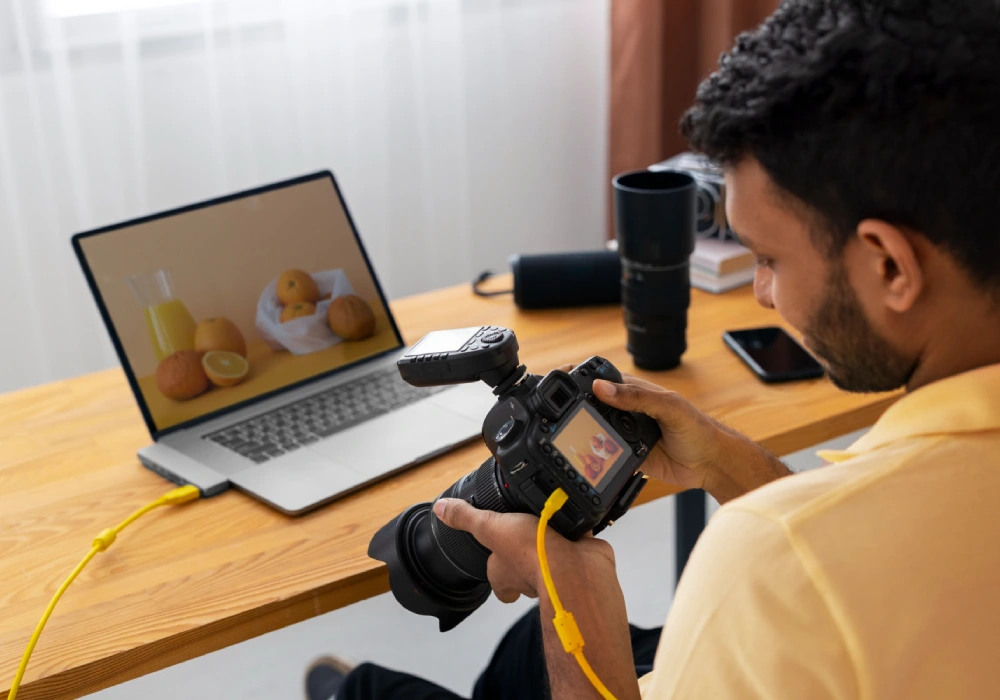
Filming itself is often the shortest stage relative to the total project timeline, though it can feel the most intense given the coordination required. A typical shoot day involves setting up equipment and lighting, capturing planned shots according to the storyboard, and often filming more footage than will ultimately be used, giving editors flexibility during post-production. Weather, technical issues, or talent availability can all affect how smoothly a shoot day actually goes, which is part of why solid pre-production planning matters so much.
Post-Production: Where the Video Actually Comes Together
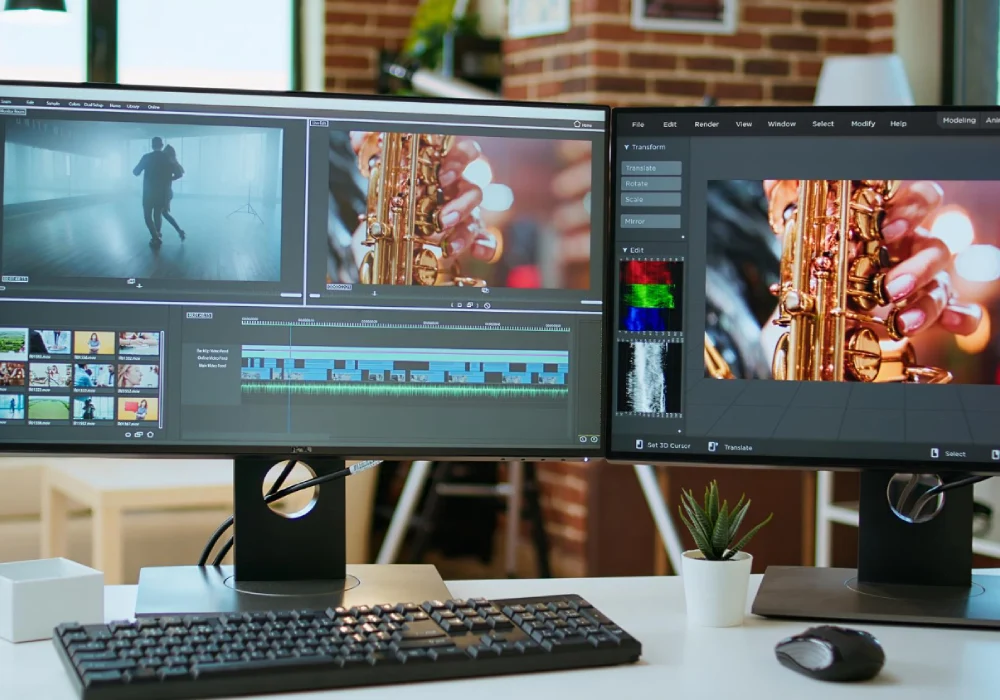
This stage transforms raw footage into a finished video, and it typically takes longer than most people expect. It generally includes assembling a rough cut, refining pacing and structure, adding sound design and music, color grading for visual consistency, and incorporating any motion graphics or text overlays. Post-production is often where a video's actual quality is determined, since even strong raw footage can be undermined by weak editing, and average footage can be elevated considerably by skilled post-production work.
Review and Revision Cycles
Most projects include at least one, often several, rounds of client review and revision before a video is finalized. Building a defined number of revision rounds into the process upfront, rather than leaving it open-ended, keeps the project on schedule and prevents scope from quietly expanding well beyond what was originally planned.
Final Delivery and Formats
A single production often needs to be delivered in multiple formats and aspect ratios to actually work across different platforms, a widescreen version for YouTube or a website, a vertical or square version for social feeds, sometimes with different pacing or captions adjusted for each. Confirm upfront which formats you actually need, since producing these variations after the fact costs more than planning for them from the start.
How Long This Actually Takes
Timeline varies significantly by scope, but a straightforward marketing video often takes two to four weeks from initial concept through final delivery, accounting for pre-production planning, a shoot day, and a realistic post-production and revision timeline. More complex productions, involving multiple locations, extensive motion graphics, or a larger cast, can extend well beyond that. Rushed timelines typically increase cost and risk, since less time exists to catch and correct issues before the final delivery date.
DIY Versus Professional Production: Where the Line Makes Sense
Simple, native-feeling social content, quick updates, behind-the-scenes clips, casual product highlights, is often reasonable to produce in-house with basic equipment, particularly for platforms that reward authentic, unpolished content. Higher-stakes content, a homepage explainer, a paid ad campaign, or anything requiring genuine production value to build credibility, generally benefits from professional involvement, since production quality directly affects how seriously that content is received by its audience.
Common Mistakes That Derail Production
- Rushing or skipping pre-production planning, leading to costly problems discovered only once filming has already begun
- Leaving the number of revision rounds undefined, allowing scope and timeline to expand indefinitely
- Not confirming required delivery formats upfront, requiring costly rework after the fact
- Underestimating how much time post-production genuinely takes, creating unrealistic delivery expectations
- Choosing DIY production for high-stakes content where production quality genuinely affects audience trust and credibility
Getting Started
Marketing video production is a sequence of distinct stages, planning, filming, and finishing, each requiring real time and attention to produce a video that actually performs. Invest properly in pre-production, set clear expectations around revisions and delivery formats upfront, and match your production approach, DIY or professional, to how much is genuinely riding on that specific piece of content.
Frequently Asked Questions
Which stage of video production typically takes the longest?
Post-production is often the longest stage relative to the actual filming day, since editing, sound design, color grading, and revisions all require substantial time to execute well.
How many revision rounds are typically included in a video production project?
This varies by provider, but two to three defined rounds of revision is a common standard. Confirm this upfront, since open-ended revisions without a defined limit can extend both timeline and cost considerably.
Do I need different video formats for different platforms?
Often yes. A widescreen version suits YouTube or a website, while vertical or square formats typically perform better on social feeds. Planning for these variations from the start is more efficient than producing them separately after the fact.
Is it worth producing marketing video in-house instead of hiring a professional?
For casual, native-feeling social content, in-house production with basic equipment is often reasonable. For higher-stakes content where production quality directly affects credibility, professional involvement generally produces a stronger, more effective result.
Looking for Measurable Business Growth?
Partner with BrandStory for end-to-end digital & creative excellence.


Are You Looking for Growth?
Free instant digital marketing audit and improve performance.
Get Graded Today
Transform Your Digital Growth with BrandStory
From SEO, PPC, social media marketing, and content marketing to website development, branding, and lead generation, BrandStory delivers result-driven digital marketing services in Dubai and across the UAE, helping businesses attract, engage, and convert more customers.
Trusted by 1000+ leading brands in Dubai and globally including:




Related Blogs
Choosing the Best Marketing Video Agencies: A Detailed Guide
Choosing the best marketing video agencies can significantly elevate your brand's visibility through compelling video co...
How to Execute YouTube Advertising Video Marketing
To successfully implement youtube advertising video marketing, begin by defining your goals and understanding your targe...

How to Effectively Leverage Video Marketing for Social Media
Video marketing for social media is not just about creating content; it's about building lasting connections and trust w...
Mastering Whiteboard Animation Video Marketing
Whiteboard animation video marketing presents a creative way to engage audiences. This approach emphasizes a clear begin...
How to Plan and Execute Digital Marketing Animation Video
Digital marketing animation videos offer a unique and engaging way to connect with your target market. By identifying yo...
Understanding Streaming Video Marketing Strategies
Streaming video marketing has become an effective way for businesses to connect with audiences through real-time content...

