
-
- Digital Marketing
-
 Perf. Marketing
 E-mail Marketing
 PPC Services
 Video Marketing
 Influencer Marketing
- Social Media
 Facebook Marketing
 Instagram Marketing
 Twitter Marketing
 Pinterest Marketing
 TikTok Marketing


-
- Digital Marketing
-
Perf. Marketing
- E-mail Marketing
- PPC Services
- Video Marketing
- Influencer Marketing
- Social Media
- Facebook Marketing
- Instagram Marketing
- Twitter Marketing
- Pinterest Marketing
- TikTok Marketing
Blog
Influencer Marketing Trends 2026: A Detailed Guide
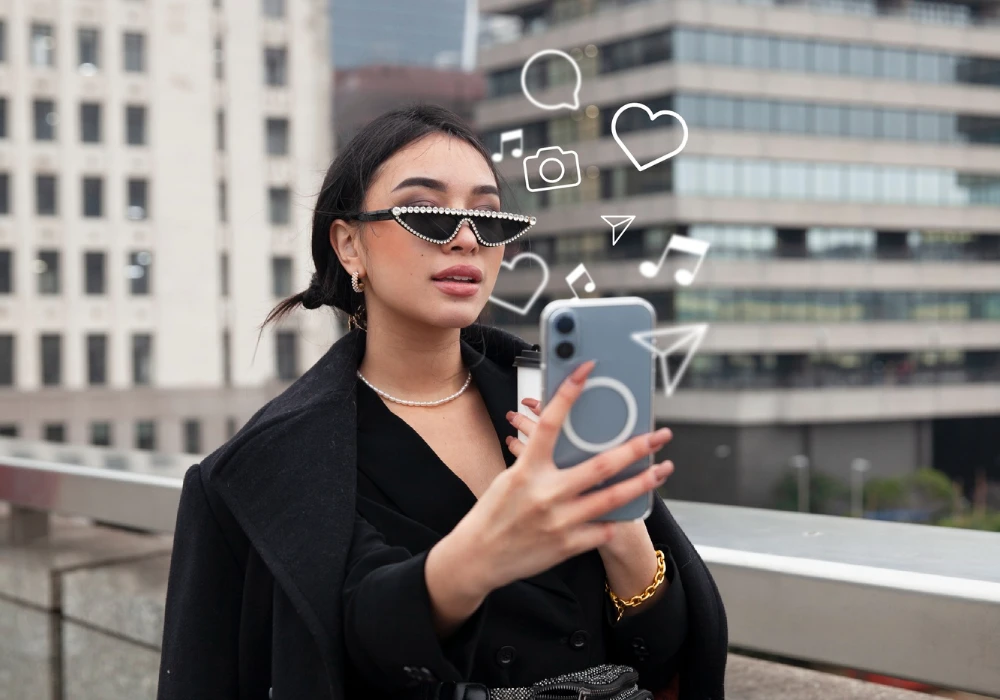
Want a Quick Summary?
Summarize this article instantly with ChatGPT.
The digital marketing ecosystem is undergoing its most radical transformation to date. As consumer behavior shifts, platform algorithms evolve, and disruptive technologies enter the mainstream, influencer marketing has moved far beyond simple sponsored posts on social media feeds. In 2026, creator partnerships represent a sophisticated, technology-driven performance channel that bridges authentic storytelling with advanced artificial intelligence, social commerce, and hyper-localized regional strategies. Whether you are scaling digital marketing operations for an enterprise agency or launching brand activations across dynamic international markets, understanding the defining trends of 2026 is essential for maintaining competitive advantage and driving profitable growth.
Navigating this new era requires a clear grasp of how emerging forces, from artificial intelligence integration and social shopping platforms to strategic shifts toward nano creators and Middle Eastern market expansions, are reshaping the digital landscape. By examining these core developments, marketing teams can future-proof their campaigns and harness the full potential of modern creator partnerships.
Trend 1: The Integration of Artificial Intelligence in Influencer Marketing
Artificial intelligence is no longer a futuristic concept; it is deeply embedded in the daily operational workflows of influencer marketing agencies and brands alike. In 2026, artificial intelligence tools streamline every phase of the campaign lifecycle, revolutionizing how marketing teams discover, vet, and analyze creator partnerships.
Key artificial intelligence implementations currently transforming the industry include:
- Automated Creator Discovery and Vetting: Advanced machine learning algorithms scan millions of profiles to match brands with creators based on precise audience demographics, engagement quality, and contextual niche alignment.
- Fraud Detection and Authenticity Scoring: Artificial intelligence models instantly analyze historical growth curves, comment sentiment, and audience bot activity to weed out fraudulent accounts before budgets are deployed.
- Performance Predictive Modeling: Sophisticated data tools forecast campaign return on investment and conversion rates prior to launch by analyzing historical performance data across similar creator tiers.
Embracing artificial intelligence allows marketing teams to eliminate administrative friction and scale campaign management with unprecedented precision.
Trend 2: The Rise of AI Virtual Influencers
One of the most fascinating developments in digital media is the explosive growth of computer-generated virtual influencers. These hyper-realistic, digital avatars engineered by artificial intelligence command millions of followers, secure high-end luxury brand partnerships, and generate massive engagement without ever stepping foot in a physical studio.
Virtual influencers offer unique strategic advantages for forward-thinking brands, including absolute creative control over messaging, zero risk of human public relations scandals, infinite availability for global campaigns, and flawless visual styling that aligns seamlessly with futuristic or high-fashion brand aesthetics. While human creators remain vital for authentic community connection, virtual influencers represent an exciting frontier for imaginative brand storytelling and digital innovation.
Trend 3: Why UGC is Replacing Traditional Ads
Consumer skepticism toward polished, high-budget corporate commercials has reached an all-time high. Audiences instantly recognize traditional studio ads as paid promotions and scroll past them without a second thought. In contrast, user-generated content produced by authentic creators and everyday customers thrives on relatability, trust, and real-world utility.
Brands are shifting substantial portions of their paid advertising budgets away from traditional corporate creative and into user-generated content libraries. Whitelisting creator videos and embedding authentic unboxing reviews directly onto e-commerce product landing pages lowers customer acquisition costs, builds instant social proof, and drives significantly higher conversion rates.
Trend 4: The Shift from Macro to Micro and Nano Influencers
The era of blindly allocating massive marketing budgets to single macro-influencers or mega-celebrities with millions of broad followers is rapidly fading. Marketers have realized that reach without targeted engagement delivers poor return on investment. In 2026, the industry has experienced a definitive shift toward micro-influencers and nano-influencers.
Nano-influencers and micro-influencers possess deeply engaged, hyper-local, or highly specialized communities. Their followers view them as trusted peers rather distant celebrities. Spreading marketing budgets across a diverse roster of smaller creators yields higher engagement rates, deeper community trust, and superior conversion efficiency at a fraction of the cost.
Trend 5: How TikTok Shop is Changing E-commerce
Social commerce has fundamentally rewritten the customer journey. Platforms equipped with native shopping integration, led most notably by TikTok Shop, have collapsed the distance between digital discovery and final purchase execution. Consumers no longer need to leave their favorite social apps, visit an external website, and navigate complex checkout forms to buy a product.
Creators can now tag products directly within their short-form videos and live streams, allowing viewers to complete a secure purchase with a single tap without ever interrupting their browsing experience. This seamless friction-free shopping ecosystem has transformed creator content into an immediate, high-converting direct response sales channel.
Regional Focus: The Growth of Influencer Marketing in Saudi Arabia and the GCC
While global markets experience rapid technological shifts, the Middle East, particularly the Gulf Cooperation Council region, stands at the absolute vanguard of the influencer marketing revolution. Saudi Arabia has emerged as a powerhouse of digital media innovation, driven by ambitious economic diversification initiatives, massive investments in digital infrastructure, and a digitally native, highly connected young population.
The future of influencer marketing in the Middle East is characterized by hyper-localization, rapid adoption of social commerce, and sophisticated enterprise brand partnerships. Regional hubs like Dubai and Riyadh serve as dynamic epicenters where luxury brands, innovative tech startups, and local creators collaborate to pioneer new standards in digital storytelling. Understanding regional cultural nuances, regulatory frameworks, and platform preferences is vital for brands seeking to capture market share across the GCC.
Influencer Marketing Trends Implementation Framework
To help structure your strategic planning for the current digital landscape, review the trend integration matrix below:
| Industry Trend | Core Strategic Focus | Business Impact |
|---|---|---|
| Artificial Intelligence | Automated vetting, fraud detection, predictive analytics | Eliminates operational friction and scaling bottlenecks |
| Virtual Influencers | Computer-generated avatars, absolute creative control | Drives innovative storytelling without human risk |
| User-Generated Content | Authentic customer reviews, whitelisted social ads | Lowers customer acquisition cost and builds trust |
| Micro and Nano Shift | Hyper-targeted communities, high engagement rates | Maximizes conversion efficiency on modest budgets |
| Social Commerce | TikTok Shop integration, in-app checkout pathways | Collapses discovery and purchase into a single tap |
| GCC Expansion | Localized Saudi and UAE campaigns, cultural resonance | Captures high-growth affluent demographics in the Middle East |
Conclusion
Influencer marketing in 2026 is a sophisticated, technology-infused discipline that rewards strategic agility, authenticity, and data-driven execution. By embracing artificial intelligence tools, capitalizing on the power of user-generated content, shifting focus toward micro and nano creators, integrating seamlessly with social commerce platforms like TikTok Shop, and understanding the explosive growth of digital markets across Saudi Arabia and the broader GCC, brands can transform their creator partnerships into a high-performing, sustainable revenue engine.
Looking for Measurable Business Growth?
Partner with BrandStory for end-to-end digital & creative excellence.


Are You Looking for Growth?
Free instant digital marketing audit and improve performance.
Get Graded Today
Transform Your Digital Growth with BrandStory
From SEO, PPC, social media marketing, and content marketing to website development, branding, and lead generation, BrandStory delivers result-driven digital marketing services in Dubai and across the UAE, helping businesses attract, engage, and convert more customers.
Trusted by 1000+ leading brands in Dubai and globally including:




Related Blogs
.webp)
The Next Chapter: Where We Go From Here (Call to Action)
Every commercial industry eventually arrives at an inflection point where previous operating playbooks cease to function...
VIP Access: What Happens When You Level Up With Us
Most enterprise client relationships in the marketing sector begin with high energy and ambitious promises, only to sett...
How to Pitch Us / Partner With Us: Collaboration Guidelines
Commercial growth at enterprise scale is rarely an isolated endeavor. While internal execution, engineering precision, a...
Roadmap Update: What We’re Building Next (And Why)
The traditional digital agency model is encumbered by structural friction. For decades, agencies and enterprise growth t...

Why Simplicity Wins: The Case Against Over-Engineering
The modern digital marketing industry has fallen in love with unnecessary complexity. Walk into any enterprise growth me...
The Macro View: How Global Shifts Impact Your Daily Operations
Most commercial marketing teams operate within an insular tactical vacuum. Daily standups, campaign sprints, and media r...

