
-
- Digital Marketing
-
 Perf. Marketing
 E-mail Marketing
 PPC Services
 Video Marketing
 Influencer Marketing
- Social Media
 Facebook Marketing
 Instagram Marketing
 Twitter Marketing
 Pinterest Marketing
 TikTok Marketing


-
- Digital Marketing
-
Perf. Marketing
- E-mail Marketing
- PPC Services
- Video Marketing
- Influencer Marketing
- Social Media
- Facebook Marketing
- Instagram Marketing
- Twitter Marketing
- Pinterest Marketing
- TikTok Marketing
Blog
How to Plan and Run a Video Marketing Campaign
Want a Quick Summary?
Summarize this article instantly with ChatGPT.
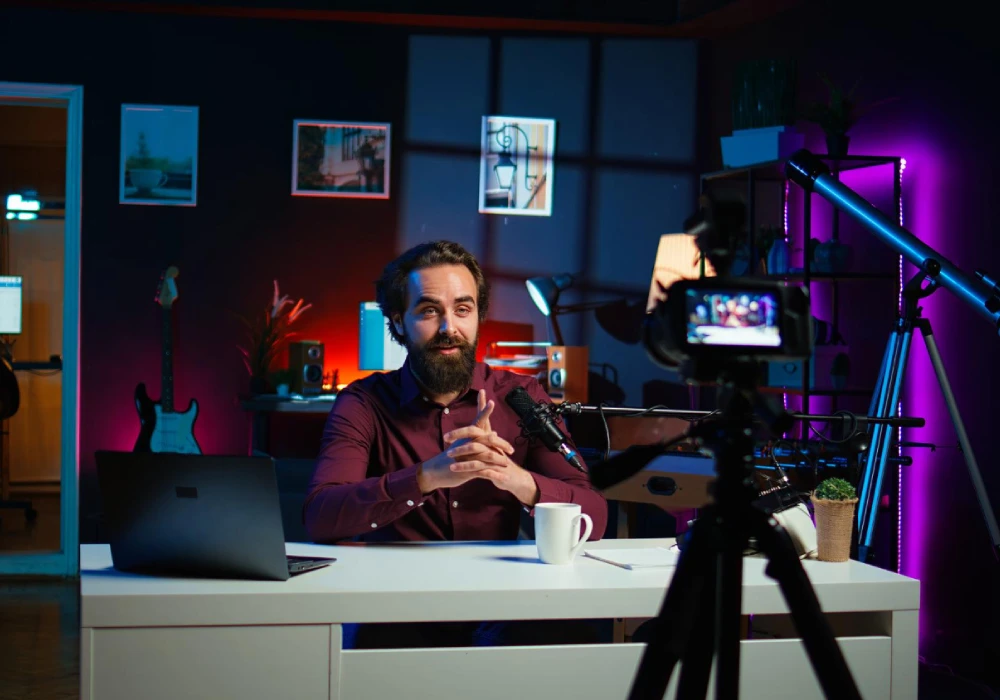
A video marketing campaign is not the same thing as an ongoing content strategy. A strategy runs continuously, steadily building presence and trust over time. A campaign has a defined start, a defined end, and a specific goal it is built to achieve within that window, a product launch, a seasonal push, a brand announcement. Treating a campaign like everyday content, or everyday content like a campaign, tends to produce disappointing results either way.
This guide covers how to actually structure a video marketing campaign, from initial planning through to measuring whether it worked.
What Makes a Video Campaign Genuinely Different
A campaign is built around a specific objective and timeframe, with success measured against that particular goal rather than ongoing, cumulative content performance. It typically involves more concentrated budget and effort within a shorter window, multiple coordinated pieces of content working together toward the same outcome, rather than a steady, spread-out stream of individual videos with looser individual goals.
Common Types of Video Marketing Campaigns
- Product launch campaigns, building anticipation and driving initial sales or sign-ups around a specific release date.
- Seasonal or promotional campaigns, tied to a specific sales period, holiday, or limited-time offer.
- Brand awareness campaigns, aimed at broad visibility and recall rather than an immediate transaction.
- Rebrand or major announcement campaigns, introducing a significant change and shaping how it is initially perceived.
The Three-Phase Campaign Structure
Teaser or Pre-Launch Phase
Short, intriguing content builds anticipation without revealing everything, often the highest-leverage phase for generating early curiosity and pre-launch engagement, particularly for product launches.
Launch Phase
This is where the primary campaign content goes fully live, typically with the heaviest coordinated push across channels happening within a concentrated window to maximize initial visibility and momentum.
Sustain or Follow-Up Phase
After the initial launch push, supporting content, testimonials, extended cutdowns, retargeting ads, keeps momentum going and captures the audience who did not convert during the more intense launch window.
Building a Hero Video and Supporting Cutdowns
Most effective campaigns center on one primary "hero" video carrying the core message and creative concept, then break that concept down into several shorter cutdowns adapted for different platforms and moments within the campaign. This approach keeps messaging consistent across the entire campaign while giving each individual platform content genuinely suited to how it is actually used, rather than forcing one format everywhere.
Planning Distribution and Channel Mix for a Campaign
Decide deliberately which channels the campaign will run across, and how the specific content and messaging should adapt for each. A campaign might run the hero video prominently on a website and YouTube, while cutdowns run as short-form content on social platforms and as paid ad creative simultaneously. Coordinate timing across channels so the campaign feels cohesive rather than scattered, with different pieces appearing to an audience at overlapping, reinforcing moments rather than in an unplanned, disconnected sequence.
Budgeting Across Campaign Phases
Allocate budget deliberately across the teaser, launch, and sustain phases rather than spending everything upfront or, conversely, underfunding the crucial launch window itself. Many campaigns benefit from concentrating the heaviest paid media spend specifically during the launch phase, when momentum and attention are naturally highest, while reserving some budget for sustained retargeting afterward to capture audiences who needed more time to convert.
Measuring Campaign Success
Define specific success metrics tied to the campaign's actual objective before it launches, sales or sign-ups for a product launch, reach and sentiment for a brand awareness push, engagement and social sharing for a rebrand announcement. Track these metrics throughout the campaign window specifically, rather than folding campaign performance into general, ongoing content metrics that obscure whether the campaign itself actually achieved its distinct goal.
Post-Campaign Analysis
Once a campaign concludes, review performance against the original objective honestly, identifying which specific content and channels drove the strongest results and which underperformed. This analysis should directly inform how the next campaign gets structured, rather than starting entirely from scratch each time with no reference to what has actually worked before.
Common Mistakes
- Treating a campaign like ongoing content, with no clear timeframe or defined success metric
- Spending the entire budget in the teaser phase, leaving the actual launch underfunded
- Producing disconnected content across channels with no consistent hero message tying it all together
- Skipping the sustain phase entirely, losing momentum and potential conversions right after the initial launch excitement fades
- Never conducting a proper post-campaign analysis, repeating the same mistakes in the next campaign
Getting Started
A video marketing campaign succeeds when it is planned as a deliberate, phased effort toward a specific goal, not treated as a slightly bigger batch of regular content. Define the objective and timeframe clearly upfront, build a hero video with well-adapted supporting cutdowns, and measure results specifically against what the campaign was actually meant to achieve.
Frequently Asked Questions
How long should a typical video marketing campaign run?
This varies by objective, but many campaigns run from a few weeks to a couple of months, including teaser, launch, and sustain phases. Product launches often run shorter and more intensely, while brand awareness campaigns can run longer at a steadier pace.
Do I need a separate hero video for every platform in a campaign?
No. A single hero video typically anchors the campaign's core message, with shorter cutdowns adapted from it for different platforms, rather than producing entirely separate concepts for each channel.
How much of the campaign budget should go toward the launch phase specifically?
Many campaigns concentrate the heaviest spend during launch, when attention and momentum are naturally highest, while still reserving some budget for the sustain phase to capture audiences who need more time before converting.
What is the biggest difference between a campaign and ongoing content strategy?
A campaign has a defined start, end, and specific goal, measured distinctly from general content performance. Ongoing strategy runs continuously, building presence and trust gradually rather than working toward one particular, time-bound outcome.
Looking for Measurable Business Growth?
Partner with BrandStory for end-to-end digital & creative excellence.


Are You Looking for Growth?
Free instant digital marketing audit and improve performance.
Get Graded Today
Transform Your Digital Growth with BrandStory
From SEO, PPC, social media marketing, and content marketing to website development, branding, and lead generation, BrandStory delivers result-driven digital marketing services in Dubai and across the UAE, helping businesses attract, engage, and convert more customers.
Trusted by 1000+ leading brands in Dubai and globally including:




Related Blogs

Choosing the Best Marketing Video Agencies: A Detailed Guide
Choosing the best marketing video agencies can significantly elevate your brand's visibility through compelling video co...

How to Execute YouTube Advertising Video Marketing
To successfully implement youtube advertising video marketing, begin by defining your goals and understanding your targe...

How to Effectively Leverage Video Marketing for Social Media
Video marketing for social media is not just about creating content; it's about building lasting connections and trust w...
Mastering Whiteboard Animation Video Marketing
Whiteboard animation video marketing presents a creative way to engage audiences. This approach emphasizes a clear begin...

How to Plan and Execute Digital Marketing Animation Video
Digital marketing animation videos offer a unique and engaging way to connect with your target market. By identifying yo...
Understanding Streaming Video Marketing Strategies
Streaming video marketing has become an effective way for businesses to connect with audiences through real-time content...

