
-
- Digital Marketing
-
 Perf. Marketing
 E-mail Marketing
 PPC Services
 Video Marketing
 Influencer Marketing
- Social Media
 Facebook Marketing
 Instagram Marketing
 Twitter Marketing
 Pinterest Marketing
 TikTok Marketing


-
- Digital Marketing
-
Perf. Marketing
- E-mail Marketing
- PPC Services
- Video Marketing
- Influencer Marketing
- Social Media
- Facebook Marketing
- Instagram Marketing
- Twitter Marketing
- Pinterest Marketing
- TikTok Marketing
Blog
How to Add sameAs and Social Profile Schema for Local Business
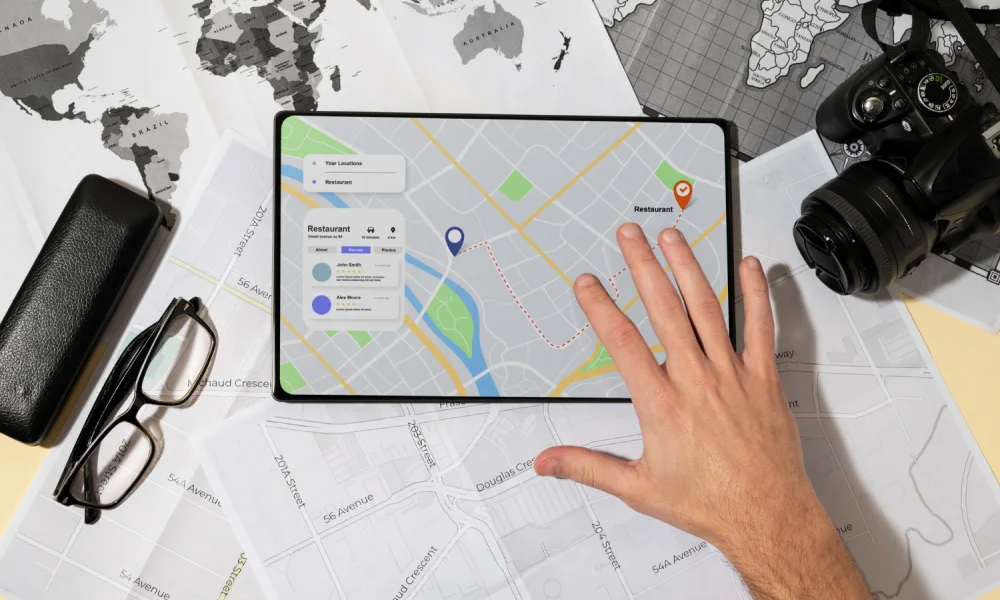
Want a Quick Summary?
Summarize this article instantly with ChatGPT.
Connecting verified digital entity signals across the web is one of the most critical objectives in modern search engine optimization and entity resolution. Search engine crawlers do not analyze business websites in isolation. Instead, machine learning algorithms map each brand into an interconnected knowledge graph, cross-referencing corporate websites, social network pages, commercial registries, national directories, and review platforms. When search engines verify that these disparate digital touchpoints represent the exact same physical business, their algorithmic confidence in your entity authority increases substantially.
The primary technical mechanism for establishing this entity consensus is the Schema.org sameAs property. Declared within a LocalBusiness or Organization JSON-LD structured data payload, sameAs explicitly instructs search algorithms that a company website URL is fundamentally equivalent to specific external profile URLs. Implementing sameAs markup correctly resolves entity disambiguation hurdles, populates automated Google Knowledge Panels, and synchronizes social media feeds with local search listings. Below is an exhaustive technical, operational, and architectural guide detailing how to add sameAs and social profile schema for a local business.
Overview: The 4 Core Stages of sameAs Entity Implementation
An enterprise-grade schema integration framework coordinates entity linking across four distinct phases:
1. Profile Audit & Canonical URI Harvesting: Curating clean, verified canonical URLs for all active social media networks, corporate directories, trade registries, and authoritative industry databases.
2. Structural JSON-LD Graph Engineering: Constructing a unified schema block that nests sameAs arrays directly within the verified LocalBusiness or specific business subtype node.
3. Bidirectional Corroboration & Verification: Ensuring third-party social profiles and directory pages actively link back to the exact canonical domain to establish two-way algorithmic trust loops.
4. Syntax Testing & Knowledge Graph Validation: Running rigorous automated schema inspections via Google Rich Results and Schema.org validators to verify zero structural syntax errors.
sameAs Platform Priority Matrix: Profile Types vs Entity Value
Review this reference matrix evaluating high-value external platforms, recommended URL formats, and their strategic impact on search engine knowledge graphs:
| Platform Category | Target Channels | Canonical URL Syntax Pattern | Entity Corroboration Value |
|---|---|---|---|
| Tier 1: Core Social Profiles | LinkedIn, Facebook, Instagram, YouTube, X | https://www.linkedin.com/company/brand-name/ |
Direct feed for knowledge panel social icons and brand validation |
| Tier 2: Knowledge Bases & Wikidata | Wikidata, Wikipedia, Crunchbase | https://www.wikidata.org/wiki/Q12345678 |
Highest tier of machine-readable entity linking and semantic disambiguation |
| Tier 3: Local Mapping & Engine Listings | Google Maps CID, Apple Maps, Bing Places | https://maps.google.com/?cid=1234567890123456789 |
Ties physical geographic pin location directly to the digital website entity |
| Tier 4: Commercial & Credit Registries | Dun & Bradstreet (D-U-N-S), BBB, Chamber of Commerce | https://www.dnb.com/business-directory/... |
Verifies corporate legitimacy, tax status, and official business registration |
| Tier 5: Vertical Niche Registries | Avvo (Legal), Healthgrades (Medical), Clutch (B2B) | https://clutch.co/profile/agency-name |
Reinforces specialized industry topical authority and professional credentials |
1. Identifying High-Value URIs for the sameAs Array
The sameAs property is an array of strings representing web page URIs that unambiguously indicate the entity's identity. However, bloating this property with low-quality or non-authoritative URLs degrades algorithmic clarity:
- Target Authoritative Social Footprints: Include your verified company profiles on Facebook, LinkedIn Company Pages, Instagram, YouTube, and X. Ensure the profiles are public, fully completed, and feature active brand activity.
- Leverage Knowledge Base Entities: If your enterprise has reached the scale of having a dedicated Wikidata entry (or Wikipedia article), this URL represents the single most powerful entity anchor available. Wikidata provides language-agnostic machine-readable property IDs that search engines consume directly into core knowledge vaults.
- Include Authoritative B2B & Review Profiles: For commercial entities, profiles on Crunchbase, the Better Business Bureau (BBB), Dun & Bradstreet, and leading regional chambers of commerce provide corporate backing that algorithms use to verify business legitimacy.
- What to Exclude: Never include personal employee accounts, casual blog mentions, temporary social media posts, affiliate links, or spammy link-farm directories. Every URL placed inside
sameAsmust represent a permanent corporate identity page belonging exclusively to the business.
2. Technical Architecture: Nested JSON-LD Implementation
Google explicitly recommends implementing structured data using JSON-LD placed inside a <script type="application/ld+json"> block within the page HTML head or body. In modern local schema architecture, the sameAs array must be cleanly bound to your primary LocalBusiness node using an immutable @id URI anchor.
Code Implementation Blueprint:
<script type="application/ld+json">
{
  "@context": "https://schema.org",
  "@graph": [
    {
      "@type": "LegalService",
      "@id": "https://example.com/#business-entity",
      "name": "Beacon Legal Partners",
      "legalName": "Beacon Legal Partners LLP",
      "url": "https://example.com",
      "telephone": "+1234567890",
      "image": "https://example.com/assets/images/logo.jpg",
      "priceRange": "$$$",
      "address": {
        "@type": "PostalAddress",
        "streetAddress": "500 Grand Avenue, Suite 1200",
        "addressLocality": "Los Angeles",
        "addressRegion": "CA",
        "postalCode": "90071",
        "addressCountry": "US"
      },
      "geo": {
        "@type": "GeoCoordinates",
        "latitude": 34.0522,
        "longitude": -118.2437
      },
      "hasMap": "https://maps.google.com/?cid=12345678901234567890",
      "sameAs": [
        "https://www.facebook.com/beaconlegalpartners",
        "https://www.linkedin.com/company/beacon-legal-partners",
        "https://twitter.com/beaconlegal",
        "https://www.instagram.com/beaconlegalpartners/",
        "https://www.youtube.com/@beaconlegalpartners",
        "https://www.wikidata.org/wiki/Q00000000",
        "https://www.crunchbase.com/organization/beacon-legal-partners",
        "https://www.dnb.com/business-directory/company-profiles.beacon_legal.html"
      ]
    }
  ]
}
</script>
3. Establishing Bidirectional Verification (Two-Way Links)
A common mistake among technical SEO teams is declaring sameAs links in website schema while neglecting the external profile configuration. One-way signals carry significantly less algorithmic weight than closed-loop verification:
The Reciprocal Verification Principle: If your JSON-LD markup points to https://www.linkedin.com/company/brand-name via sameAs, that specific LinkedIn company page must have your exact canonical website URL (https://example.com) published in its official "Website" field. The same rule applies to Facebook Page "About" sections, X account bios, Instagram profile links, and Wikidata official website (P856) claims.
When search engine spiders crawl your website, they discover the sameAs assertion. When they subsequently crawl the social media network or commercial registry, they encounter the matching canonical domain backlink. This completes a bidirectional confirmation loop, confirming beyond statistical doubt that both web assets belong to the identical physical organization.
4. Multi-Location vs Organization sameAs Strategy
Enterprises managing multiple regional branches or franchise networks must structure their social schema carefully to prevent entity confusion:
- Brand-Level Corporate Profiles: National brand social accounts (such as a global LinkedIn page or primary YouTube channel) belong in the
sameAsarray of your parentOrganizationschema, deployed on your root homepage or global "About Us" page. - Branch-Specific Local Profiles: If individual physical locations operate dedicated regional social assets (such as "Facebook - Apex Health Downtown" or dedicated local Yelp and Google Maps CID links), place those localized URLs inside the
sameAsarray of that specific branch'sLocalBusinessschema on its dedicated location landing page. - Avoid Cross-Contaminating Branches: Do not list five different regional Facebook branch pages within the same single
sameAsblock. Each local location schema must only declare external profiles that correspond directly to that specific physical facility.
5. Technical Testing and Validation Workflow
Deploying structured data without formal validation can introduce syntax errors (such as unescaped forward slashes or missing commas) that cause search engine parsers to drop the block entirely:
- Google Rich Results Test: Open the Google Rich Results Test (
search.google.com/test/rich-results). Submit your live landing page URL or test the raw JSON-LD code directly. Verify that the tool parses theLocalBusinessentity and that allsameAsstrings are extracted without formatting errors. - Schema Markup Validator: Test the code through the official Schema.org Validator (
validator.schema.org) to ensure complete syntactic conformance with the broader Schema.org semantic specifications. - Knowledge Panel Monitoring: After deployment and search engine re-indexing, search for your branded business name on Google. Monitor whether your verified social icons begin populating cleanly directly beneath your main Google Knowledge Panel card.
Decision Checklist: Complete sameAs & Social Schema Audit
Technical SEO specialists, digital marketing leads, and web developers should audit their social schema implementation against these operational benchmarks:
Mandatory sameAs Implementation Checklist:
- Structured data deployed using clean JSON-LD syntax inside an application/ld+json script block.
- The
sameAsproperty declared as a structured array of strings containing clean HTTPS URIs. - All trailing slashes, URL parameters, and tracking tags stripped from external profile URLs.
- Verified corporate social profiles (LinkedIn, Facebook, Instagram, YouTube, X) included.
- High-authority entity databases (Wikidata, Crunchbase, D-U-N-S) incorporated where available.
- Every external profile in the
sameAsarray contains a reciprocal link back to your canonical website URL. - Parent corporate social profiles separated from individual branch location social profiles.
- Schema validated through the Google Rich Results Test with zero syntax errors.
- Code tested through the Schema.org Validator to confirm valid property nesting.
- Periodic quarterly audits scheduled to update the
sameAsarray if social handles change.
Conclusion
Adding sameAs and social profile schema is an essential technical requirement for building a coherent, authoritative digital entity footprint. By assembling verified canonical profile URLs, embedding them within a structured JSON-LD LocalBusiness graph, and enforcing bidirectional verification across external platforms, businesses eliminate algorithmic ambiguity. Implementing clean sameAs structured data strengthens brand credibility, protects against entity confusion, and lays the machine-readable foundation required to secure dominant placement across search engine knowledge graphs and local search results.
Looking for Measurable Business Growth?
Partner with BrandStory for end-to-end digital & creative excellence.


Are You Looking for Growth?
Free instant digital marketing audit and improve performance.
Get Graded Today
Transform Your Digital Growth with BrandStory
From SEO, PPC, social media marketing, and content marketing to website development, branding, and lead generation, BrandStory delivers result-driven digital marketing services in Dubai and across the UAE, helping businesses attract, engage, and convert more customers.
Trusted by 1000+ leading brands in Dubai and globally including:




Related Blogs

How to Optimise an Existing Page for SEO: On-Page Framework
Optimising an existing web page for search engines is one of the highest-yield initiatives in digital marketing. Unlike ...
How to Show Experience and Expertise on UAE Business Websites: E-E-A-T Architecture
In the digital economy of the United Arab Emirates, establishing demonstrable professional authority is a direct comme...
How to Refresh Old Blog Posts for Rankings: Content Revamp Guide
Content decay is an inevitable reality in organic search. Even articles that once commanded top three positions on Googl...

Arabic and English Page Layout for SEO: The Architecture Guide
Designing and developing a bilingual website that serves both Arabic and English audiences involves far more than simply...

Arabic Heading and Keyword Placement: On-Page SEO Architecture
Structuring on-page content for Arabic-language search engine optimization demands far more than translating high-perf...

Translated Vs. Original Arabic Content for SEO: Technical Analysis
Global brands and multinational enterprises expanding into the Middle East and North Africa (MENA) face a fundamental co...

