
-
- Digital Marketing
-
 Perf. Marketing
 E-mail Marketing
 PPC Services
 Video Marketing
 Influencer Marketing
- Social Media
 Facebook Marketing
 Instagram Marketing
 Twitter Marketing
 Pinterest Marketing
 TikTok Marketing


-
- Digital Marketing
-
Perf. Marketing
- E-mail Marketing
- PPC Services
- Video Marketing
- Influencer Marketing
- Social Media
- Facebook Marketing
- Instagram Marketing
- Twitter Marketing
- Pinterest Marketing
- TikTok Marketing
Blog
Exploring the Benefits of PPC Advertising
Want a Quick Summary?
Summarize this article instantly with ChatGPT.
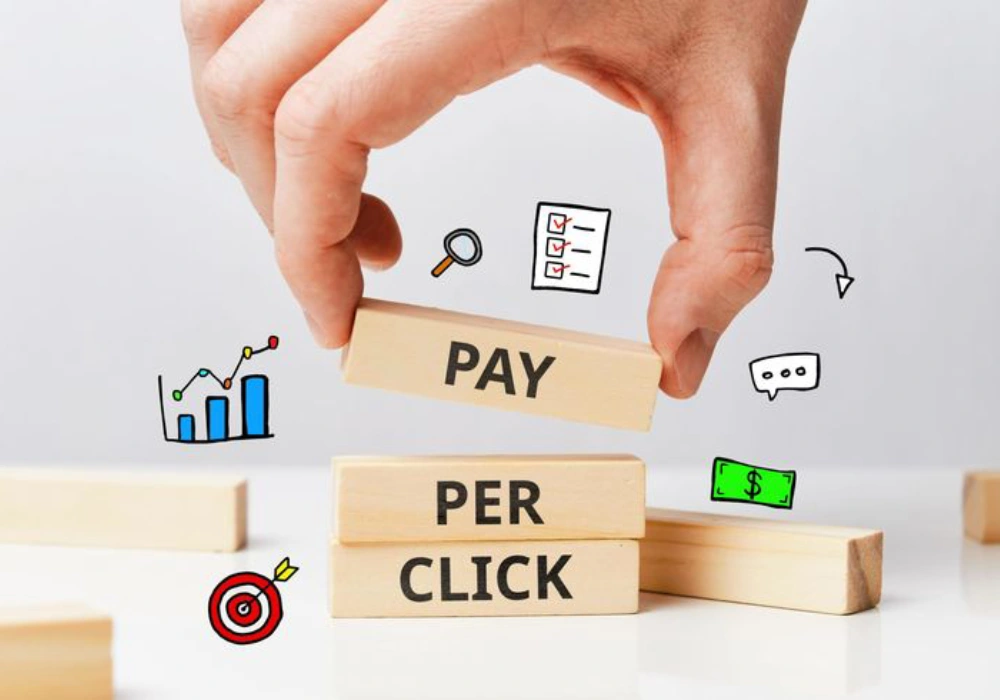
PPC, or pay-per-click advertising, is a powerful tool in the digital marketing landscape. It allows businesses to drive targeted traffic to their websites by paying only when users click on their ads. This model not only ensures cost-effectiveness but also provides immediate visibility. By leveraging PPC, businesses can quickly reach potential customers who are actively searching for their products or services. This targeted approach enhances engagement and conversion rates, making PPC an essential strategy for marketers seeking measurable results.
Understanding the benefits of PPC is crucial for any business looking to thrive in today's competitive market. PPC advertising offers immediate results, allowing brands to see traffic and engagement almost instantly. It also provides detailed analytics, enabling marketers to track performance and optimize campaigns in real-time. With the ability to target specific demographics, locations, and interests, PPC ensures that the right audience sees your ads, maximizing the return on investment.
Incorporating PPC into your marketing strategy can significantly enhance brand awareness and recognition. By appearing at the top of search engine results, businesses can capture the attention of potential customers right at the moment they are searching for relevant products or services. This increased visibility not only drives traffic but also builds trust and credibility, as users often associate top positions with industry leaders. Ultimately, the benefits of PPC extend beyond immediate clicks, contributing to long-term brand growth.
Key Advantages of PPC
Pay-per-click (PPC) advertising offers numerous advantages for businesses looking to drive immediate traffic and enhance their online presence. One of the key benefits is its ability to deliver targeted traffic. Through tailored ad campaigns, companies can reach specific demographics and user interests, ensuring that their ads appear to the most relevant audiences. This targeted approach not only increases click-through rates but also maximizes conversion potential. Another significant advantage of PPC is its cost-effectiveness. Unlike traditional advertising methods, PPC allows businesses to set their budgets and only pay when someone clicks on their ad. This means that companies can allocate their marketing spend more efficiently, focusing on ads that yield the highest return on investment. Additionally, PPC campaigns provide immediate results, allowing businesses to see a quick influx of traffic and leads, which is particularly beneficial for time-sensitive promotions. Finally, the measurable nature of PPC is a game-changer for marketers. With robust analytics tools, businesses can track the performance of their campaigns in real-time. This data-driven approach enables them to refine their strategies, optimize ad placements, and ultimately improve their overall marketing effectiveness. By leveraging the benefits of PPC, businesses can achieve notable growth and visibility in the competitive digital landscape.
One of the standout benefits of pay-per-click (PPC) advertising is its immediate impact on visibility. As soon as a PPC campaign is launched, ads can appear at the top of search engine results, providing instant exposure to potential customers. This rapid visibility can lead to increased website traffic and immediate brand recognition, which is crucial for businesses looking to establish themselves in crowded markets. PPC also allows for precise budget control. Advertisers can set daily or monthly spending limits, ensuring that they never exceed their financial capabilities. This flexibility means that even small businesses can compete effectively in online advertising without risking their entire marketing budget. Moreover, the pay-per-click model ensures that businesses only pay for actual clicks, making PPC a cost-effective solution for driving traffic. Another benefit is the ability to test and adjust campaigns quickly. With PPC, marketers can experiment with different ad copies, keywords, and targeting options to see what works best. This adaptability allows for ongoing optimization, ensuring that campaigns remain effective and relevant over time. By harnessing these advantages, businesses can leverage PPC to enhance their marketing strategies and achieve their growth objectives.
Pay-per-click (PPC) advertising is known for its ability to generate quick results, which is one of its primary benefits. Businesses can launch campaigns that start driving traffic almost immediately, making it an ideal choice for those looking to promote time-sensitive offers or events. This immediacy helps businesses capitalize on trends and market changes swiftly. Additionally, PPC provides businesses with unparalleled targeting capabilities. Advertisers can choose specific demographics, locations, and even interests to tailor their ads to the most relevant audience. This ensures that marketing efforts are directed towards individuals who are more likely to convert, enhancing overall campaign effectiveness. Furthermore, the analytical insights provided by PPC campaigns are invaluable. Marketers can track various metrics, such as click-through rates, conversion rates, and overall ROI. This data not only helps in assessing the success of current campaigns but also informs future strategies, allowing businesses to make data-driven decisions that enhance their advertising efforts. By taking advantage of these benefits, companies can effectively utilize PPC to boost their online presence and drive significant growth.
Enhancing Brand Recognition with PPC
PPC, or pay-per-click advertising, is a powerful tool for enhancing brand visibility. By placing ads on search engines and social media platforms, businesses can reach their target audience effectively. The immediate nature of PPC campaigns allows brands to appear prominently when potential customers search for relevant terms, driving traffic to their websites and increasing recognition in the digital space.
Benefits of PPC for Brand Visibility
One of the key advantages of PPC is its ability to provide measurable results. Businesses can track the performance of their ads in real-time, allowing them to adjust strategies quickly for optimal visibility. This level of insight enables brands to refine their messaging and target specific demographics, ensuring that their advertising efforts resonate with the right audience and enhance brand awareness.
PPC campaigns can significantly boost brand recognition by consistently placing ads in front of users. The more often potential customers see a brand's ads, the more likely they are to remember it. This repeated exposure helps to establish a brand's presence in a competitive market, making it easier for businesses to stand out and be recognized by their target audience.
Strategies to Boost Brand Awareness
Incorporating PPC into a marketing strategy can lead to increased brand visibility. By utilizing targeted keywords and strategic ad placements, businesses can ensure their ads are seen by the right people at the right time. This targeted approach not only drives traffic but also fosters a stronger brand identity as consumers become more familiar with the brand through repeated interactions.
Key Elements of Effective PPC Campaigns
Effective PPC campaigns can enhance brand visibility by leveraging data-driven insights. By analyzing which ads perform best and adjusting campaigns accordingly, businesses can maximize their reach and ensure their brand is seen by the most relevant audiences. This adaptability is crucial in the fast-paced digital landscape, where consumer preferences can shift rapidly.
PPC's Role in Brand Exposure
Brand visibility through PPC is not just about immediate clicks; it’s about long-term recognition. By consistently appearing in search results and on social media feeds, brands can cultivate a strong online presence. This strategy not only attracts new customers but also reinforces the brand's image among existing clients, ultimately leading to increased loyalty and trust.
Evaluating PPC's Impact on Visibility
Utilizing PPC effectively can significantly enhance brand visibility. By strategically placing ads and optimizing them for performance, businesses can ensure they capture the attention of their target market. This visibility is essential for establishing a brand's reputation and fostering recognition in an increasingly crowded digital landscape.
Debunking Myths About PPC Advertising
Many business owners believe that pay-per-click (PPC) advertising is too expensive and only suitable for large companies. In reality, PPC can be tailored to fit any budget, making it accessible for businesses of all sizes. Additionally, PPC allows for precise targeting, ensuring that your ads reach the right audience without overspending.
Understanding PPC Effectiveness
Another common misconception is that PPC leads are less valuable than organic leads. However, PPC can generate high-quality leads quickly, providing immediate traffic and visibility. This immediacy can significantly enhance your overall marketing strategy, especially when combined with organic efforts.
Addressing PPC Implementation Challenges
Some people think that once a PPC campaign is launched, it requires little to no management. In truth, ongoing optimization is crucial for success. Regularly analyzing performance data and adjusting bids, keywords, and ad copy can lead to better results and a higher return on investment.
Recognizing PPC Misconceptions
There's a belief that PPC advertising is a one-size-fits-all solution. However, successful campaigns require customization and continuous testing. By experimenting with different ad formats, targeting options, and messaging, businesses can discover what resonates best with their audience.
Essential Resources for PPC Success
Many also assume that PPC is only effective for short-term gains. While it does provide immediate results, when integrated into a broader marketing strategy, it can contribute to long-term brand recognition and customer loyalty.
Tools for Effective PPC Management
Lastly, some think that PPC advertising is easy and doesn’t require expertise. While it is user-friendly, understanding the nuances of PPC, such as keyword research and ad placement strategies, is essential for maximizing its benefits.
Integrating PPC into Your Marketing Strategy
Integrating PPC into your marketing strategy can significantly enhance your business's online presence. By aligning your PPC campaigns with broader marketing goals, you can create a cohesive approach that drives targeted traffic and maximizes ROI. Start by identifying your key objectives, such as increasing brand awareness or generating leads. This will help you tailor your PPC messages and select the right keywords that resonate with your target audience. Regularly analyze performance metrics to adjust your campaigns, ensuring they align with your overall marketing strategy and deliver the best results.
Aligning PPC with Business Goals
To effectively incorporate PPC into your marketing strategy, consider how it complements other channels. For instance, use PPC to drive traffic to content marketing efforts or social media campaigns. This synergy can enhance your brand's visibility and create a more comprehensive customer journey. Additionally, utilize remarketing strategies to re-engage users who have previously interacted with your brand. This targeted approach can lead to higher conversion rates and a better return on your PPC investment.
Incorporating PPC in Content Plans
When integrating PPC into your broader marketing strategy, it’s essential to maintain consistent messaging across all platforms. Ensure that your PPC ads reflect the same tone and style as your other marketing materials. This consistency reinforces brand identity and builds trust with your audience. Moreover, consider using A/B testing to refine your ads and identify which messages resonate most effectively with your audience, ultimately enhancing your overall marketing efforts.
Utilizing PPC for Enhanced Visibility
Incorporating PPC into your marketing strategy requires ongoing optimization and alignment with your business goals. Regularly review your PPC campaigns' performance data to identify trends and areas for improvement. Utilize insights from your other marketing channels to inform your PPC strategy, ensuring that it remains relevant and effective. By continuously adapting your approach, you can leverage PPC to support your overarching marketing objectives and drive significant growth.
PPC and Keyword Strategy Alignment
To successfully integrate PPC into your marketing strategy, start by defining clear goals that align with your overall business objectives. Use PPC to test new products or services, gather valuable customer insights, and drive traffic to your website. Collaborate with your marketing team to ensure that your PPC efforts are harmonized with email marketing, social media, and content strategies. This collaborative approach not only enhances visibility but also fosters a more unified brand experience for your customers.
Real-World Benefits of PPC
BrandStory has effectively utilized PPC to grow its customer base by focusing on targeted keywords that resonate with its audience. By implementing well-structured ad campaigns, the company has seen a significant increase in website traffic and conversions, demonstrating the power of pay-per-click advertising in driving immediate results.
Case Studies of Successful PPC Campaigns
Another example is a local restaurant that used PPC to promote a special event. By creating ads that highlighted limited-time offers, they attracted a large number of new customers, showcasing how PPC can be tailored to specific marketing goals and lead to tangible business growth.
PPC Success Stories from Businesses
A tech startup leveraged PPC to increase its visibility during a product launch. With carefully crafted ads targeting tech enthusiasts, they achieved a remarkable spike in engagement and sales, illustrating how effective PPC strategies can enhance brand recognition and drive sales.
Choosing the Right PPC Tools
A fashion retailer implemented a seasonal PPC campaign that resulted in a significant boost in sales during the holiday season. By targeting specific demographics and utilizing compelling ad copy, they successfully reached their audience and increased their market share.
Enhancing PPC Through Research Strategies
A nonprofit organization utilized PPC to raise awareness for its cause, leading to a surge in donations and volunteer sign-ups. This case demonstrates that PPC isn't just for profit-driven businesses; it can also effectively support social causes and community initiatives.
Essential Tools for PPC Management
Managing PPC campaigns effectively requires the right tools and platforms that streamline processes and enhance performance. Here are some essential solutions that can help businesses optimize their pay-per-click advertising efforts: Google Ads: This is the leading platform for PPC advertising, offering advanced targeting options and detailed analytics to track campaign performance. SEMrush: An all-in-one marketing toolkit that includes PPC tools for keyword research, ad tracking, and competitor analysis, making it easier to refine your strategy. WordStream: Provides tools that help businesses manage and optimize their PPC campaigns across multiple platforms, including Google Ads and Facebook Ads, with actionable insights. SpyFu: A competitive intelligence tool that allows you to see what keywords your competitors are targeting, helping you to adjust your PPC strategy accordingly. AdEspresso: A user-friendly platform specifically for managing Facebook and Instagram ads, which simplifies A/B testing and campaign optimization. Utilizing these tools can significantly enhance your ability to manage PPC campaigns efficiently and achieve better results.
Top PPC Management Platforms
To effectively manage PPC campaigns, businesses need reliable tools that provide insights and automation. Here are some top recommendations: Bing Ads: A great alternative to Google Ads, offering unique audience segments and lower competition for certain keywords. HubSpot: Integrates PPC management with broader marketing efforts, allowing for seamless tracking and reporting across channels. Kenshoo: A powerful platform that offers advanced automation and optimization features for managing complex PPC campaigns across multiple channels. Facebook Ads Manager: Essential for businesses looking to leverage social media advertising, providing detailed analytics and targeting options to maximize ROI. By incorporating these tools, businesses can streamline their PPC management processes and improve overall campaign performance.
PPC Analytics Tools
For businesses aiming to maximize their PPC campaigns, leveraging the right tools is crucial. Here are some effective platforms to consider: AdRoll: Focuses on retargeting ads, helping businesses reconnect with visitors who didn’t convert initially, thus increasing the chances of conversion. ClickCease: Protects PPC campaigns from click fraud, ensuring that your budget is spent on genuine clicks and not wasted on fraudulent activity. Optmyzr: A platform that provides automation tools and reporting features to help optimize PPC campaigns efficiently. Google Keyword Planner: A vital tool for keyword research, helping businesses identify the right keywords to target for their PPC campaigns. Choosing the right mix of these tools can enhance your PPC strategy and lead to better advertising outcomes.
Ad Creation Resources
Effective PPC management involves utilizing various tools that can enhance campaign performance. Here are some essential tools to consider: Search Ads 360: A comprehensive tool for managing search campaigns across multiple engines, offering advanced bidding and reporting features. Ahrefs: While primarily a SEO tool, it provides valuable insights into competitor PPC strategies and keyword opportunities. Unbounce: A landing page builder that helps optimize the user experience for PPC traffic, increasing conversion rates. Adbeat: A competitive intelligence tool that provides insights into competitors' ad strategies, helping businesses refine their own PPC efforts. By integrating these tools into your PPC strategy, you can enhance your campaign management and achieve better results.
Tools for PPC Optimization
To manage PPC campaigns effectively, leveraging the right tools is essential. Here’s a list of some recommended platforms: Marin Software: Provides a robust platform for managing paid search and social campaigns, offering advanced analytics and optimization features. BuzzSumo: Helps identify trending content and keywords that can inform PPC strategies and ad copy creation. Facebook Power Editor: An advanced tool for creating and managing Facebook ads, allowing for detailed targeting and A/B testing. AdStage: A platform that simplifies cross-channel PPC reporting and management, helping businesses track performance across different platforms. Utilizing these tools can significantly improve the efficiency and effectiveness of your PPC campaigns.
Integrating PPC into Your Marketing Strategy
Pay-per-click (PPC) advertising is a powerful tool that can significantly enhance your overall marketing strategy. By driving targeted traffic to your website, PPC allows businesses to reach potential customers at the right moment. This approach not only complements other marketing efforts but also provides valuable data that can inform future campaigns. When incorporated effectively, PPC can increase brand awareness, generate leads, and boost sales, making it an essential component of a comprehensive digital marketing strategy.
How PPC Complements Your Overall Marketing Strategy
To maximize the benefits of PPC, it’s crucial to align your campaigns with other marketing initiatives. For instance, integrating PPC with content marketing can help drive traffic to valuable resources on your site, improving engagement and conversion rates. Additionally, leveraging insights from PPC campaigns can refine your SEO strategies, ensuring that your website ranks higher for relevant keywords. This synergy between PPC and other marketing channels creates a cohesive strategy that enhances overall performance.
Incorporating PPC into Your Marketing Approach
Effective integration of PPC into your marketing strategy requires ongoing analysis and adjustments. Regularly reviewing campaign performance can help identify what works and what doesn’t, allowing you to optimize your approach. By testing different ad formats, targeting options, and keywords, you can refine your strategy to achieve better results over time.
Leveraging PPC for Enhanced Brand Visibility
Furthermore, consider how PPC can support your social media efforts. Running targeted ads on platforms like Facebook or Instagram can complement your organic social strategy, driving traffic and engagement. This multi-channel approach not only broadens your reach but also reinforces your brand message across various platforms.
Aligning PPC with Your Marketing Goals
In summary, integrating PPC into your marketing strategy is not just about running ads; it's about creating a harmonious relationship between PPC and other marketing efforts. By leveraging data, optimizing campaigns, and aligning with broader marketing goals, businesses can fully realize the benefits of PPC advertising.
The Importance of Ongoing PPC Optimization
Optimizing PPC campaigns is crucial for achieving sustained success. Regular analysis of performance metrics allows businesses to identify what works and what doesn’t. By adjusting bids, refining keywords, and improving ad copy, advertisers can maximize their return on investment and ensure their ads reach the right audience effectively.
Ongoing Optimization in PPC Campaigns
Continuous management of PPC campaigns helps in adapting to market changes and consumer behavior. This proactive approach not only enhances ad performance but also enables businesses to stay ahead of competitors. Implementing A/B testing and utilizing data analytics can lead to better decision-making and strategic adjustments.
The Role of Continuous Management in PPC
Moreover, ongoing optimization fosters innovation in ad strategies. By experimenting with new formats and targeting options, businesses can discover untapped potential. This adaptability is essential for leveraging the full benefits of PPC advertising, making it an integral part of a comprehensive marketing strategy.
Enhancing PPC Performance Through Optimization
Finally, regular reviews and updates to PPC campaigns help maintain relevance in a dynamic digital landscape. As consumer preferences evolve, so should the approach to PPC. Staying attuned to trends and feedback ensures that campaigns remain effective and engaging, ultimately driving better results.
Strategies for Effective PPC Management
Effective management of PPC campaigns involves a combination of strategic planning and ongoing evaluation. Utilizing tools that track performance and provide insights can streamline this process. Businesses should prioritize learning from data to refine their approach and optimize their spending for maximum impact.
When to Adjust Your PPC Strategies
Adjusting your PPC strategies based on performance data is crucial for maximizing the benefits of PPC. Start by regularly monitoring key metrics such as click-through rates (CTR) and conversion rates. If certain keywords are underperforming, consider reallocating your budget to higher-performing ones. Additionally, A/B testing different ad copies can reveal what resonates best with your audience. Make adjustments not only on a campaign level but also for individual ads to enhance overall effectiveness. Remember, the digital landscape is dynamic, so continual optimization is key to long-term success.
Timing for PPC Strategy Updates
When analyzing your PPC performance data, look for trends over time. If you notice a drop in performance, it may be time to refine your targeting or update your ad creatives. Adjusting bids based on the performance of keywords can also lead to better results. For instance, increasing bids on high-converting keywords can boost visibility and drive more qualified traffic. Regularly revisiting your PPC strategy ensures that you stay ahead of competitors and meet your business goals effectively.
Identifying Moments to Revise PPC Tactics
To effectively adjust your PPC strategies, consider setting specific performance benchmarks. These benchmarks can guide you in determining when to make changes. For example, if a campaign isn't meeting its targets after a set period, it may require a strategic overhaul. Utilize tools and analytics to track performance closely. By understanding user behavior and engagement, you can make informed decisions that optimize your PPC efforts and enhance return on investment.
Assessing When to Modify Your PPC Approach
It's important to remain flexible with your PPC strategies. As market conditions change, so should your approach. Regularly review your ad performance and audience engagement to identify areas for improvement. If a particular ad group is not yielding the expected results, consider pausing it and reallocating resources to more effective campaigns. Staying proactive in adjusting your PPC strategy will help you maintain a competitive edge and achieve your advertising objectives.
Common Pitfalls in PPC Advertising
Avoiding common pitfalls in PPC advertising is crucial for maximizing your return on investment. One major mistake is failing to define clear goals for your campaigns. Without specific objectives, it becomes challenging to measure success and optimize your ads effectively. Additionally, neglecting keyword research can lead to targeting the wrong audience, wasting your budget on clicks that don't convert. It's also important to monitor your ad performance regularly; ignoring analytics can prevent you from identifying underperforming ads that need adjustments. Finally, ensure that your landing pages are optimized. A poor user experience can deter potential customers, negating the benefits of your PPC efforts.
Avoiding PPC Budget Overruns
Many businesses stumble by not utilizing negative keywords in their PPC campaigns. This oversight can result in your ads appearing for irrelevant searches, leading to wasted ad spend. Another common issue is setting a low daily budget without considering the competitiveness of your chosen keywords. This can limit your ad visibility and reduce potential traffic. Additionally, failing to test different ad variations can prevent you from discovering what resonates best with your audience. Regularly refreshing your ad copy and visuals is key to maintaining engagement and performance. Lastly, don't forget to evaluate your competitors; understanding their strategies can provide valuable insights for your own PPC approach.
Key Mistakes in PPC Campaigns
One of the frequent mistakes in PPC advertising is not leveraging ad extensions. These enhancements can significantly improve your ad's visibility and click-through rates, yet many advertisers overlook them. Another pitfall is ignoring mobile optimization. With a growing number of users accessing the internet via mobile devices, ensuring that your ads and landing pages are mobile-friendly is essential. Additionally, businesses often underestimate the importance of A/B testing. Without testing different ad elements, you may miss opportunities to improve performance. Lastly, avoid a one-size-fits-all approach; tailor your ads to different audience segments for better relevance and effectiveness.
Critical Factors for PPC Success
Many advertisers fail to track conversions accurately, which can lead to misguided decisions about their PPC strategies. It's vital to set up conversion tracking correctly to understand which ads are driving results. Another common mistake is not adjusting bids based on performance data. Bidding blindly can lead to overspending on underperforming keywords while missing out on high-converting opportunities. Additionally, neglecting ad scheduling can result in wasted impressions during non-peak hours. Finally, ensure you are continually educating yourself about PPC best practices and industry trends; staying informed can help you avoid these pitfalls and enhance your campaign's effectiveness.
Crafting Effective PPC Ads
To create effective ad copy for PPC campaigns, focus on clarity and urgency. Start with a strong headline that captures attention and clearly states the offer. Use concise language that highlights the benefits of your product or service. Incorporate relevant keywords to improve ad relevance and ensure your message aligns with user intent. Include a compelling call-to-action (CTA) that prompts immediate engagement, such as 'Get Started Now' or 'Claim Your Offer Today'. Test different variations of your copy to see what resonates best with your audience, and continuously optimize based on performance data.
When crafting PPC ad copy, prioritize the unique selling points of your offering. Use persuasive language to convey value and differentiate from competitors. Incorporate emotional triggers that resonate with your target audience, such as exclusivity or urgency. Keep your message straightforward and avoid jargon to ensure comprehension. Utilize ad extensions to provide additional information, such as site links or phone numbers, enhancing the ad's effectiveness. Regularly review and refine your ad copy to adapt to changing market trends and audience preferences, ensuring ongoing relevance and impact.
Best Practices for Maximizing the Benefits of PPC Advertising
To maximize the benefits of PPC advertising, businesses should focus on a few key strategies. First, thorough keyword research is essential. Understanding what potential customers are searching for can help target the right audience effectively. Next, crafting compelling ad copy that speaks directly to user needs can significantly improve click-through rates. Additionally, utilizing A/B testing allows marketers to refine their ads based on performance data, ensuring that the most effective messages are being used. Regular monitoring and optimization of campaigns are crucial to adapt to changing market conditions and competition. Lastly, integrating PPC efforts with other marketing channels can create a cohesive strategy that enhances overall visibility and impact.
To truly harness the benefits of PPC advertising, consider implementing these best practices. Start by defining clear objectives for your campaigns, such as increasing website traffic or boosting sales. This clarity will guide your strategy and help measure success. Focus on targeting specific demographics to reach the audience most likely to convert. Furthermore, setting a budget that allows for flexibility can help manage costs while maximizing ROI. Regularly reviewing analytics will provide insights into what's working and what isn't, allowing for timely adjustments. Lastly, ensure your landing pages are optimized for conversions, as a seamless user experience can greatly enhance the effectiveness of your PPC efforts.
For businesses aiming to maximize the benefits of PPC, adopting strategic approaches is vital. Begin with identifying your target audience and tailoring your ads to resonate with their interests and needs. This personalization can lead to higher engagement rates. Implementing geo-targeting can also enhance results by serving ads to users in specific locations. Additionally, utilizing ad extensions can provide more information and options to users, increasing the likelihood of clicks. Consistent analysis of campaign performance will help identify trends and areas for improvement. Finally, staying updated with industry changes and PPC trends can give your campaigns a competitive edge.
To effectively maximize the benefits of PPC advertising, focus on continuous improvement and adaptation. Establish a routine for analyzing campaign performance metrics, such as click-through rates and conversion rates, to identify successes and areas needing adjustment. Prioritize using negative keywords to filter out irrelevant traffic, which can save budget and improve ROI. Experimenting with different ad formats, like responsive search ads, can also yield better results by automatically optimizing for performance. Collaboration between teams, such as marketing and sales, can ensure that PPC efforts align with broader business goals. Lastly, fostering a culture of learning from each campaign will enable ongoing growth and success in PPC advertising.
Looking for Measurable Business Growth?
Partner with BrandStory for end-to-end digital & creative excellence.


Are You Looking for Growth?
Free instant digital marketing audit and improve performance.
Get Graded Today
Transform Your Digital Growth with BrandStory
From SEO, PPC, social media marketing, and content marketing to website development, branding, and lead generation, BrandStory delivers result-driven digital marketing services in Dubai and across the UAE, helping businesses attract, engage, and convert more customers.
Trusted by 1000+ leading brands in Dubai and globally including:




Related Blogs

How Does Device Targeting Affect PPC Results?
The same keyword, the same ad, and the same offer can perform completely differently depending on whether someone sees i...
What Is Ad Fatigue in PPC Advertising?
An ad that performed strongly for months can start declining for no obvious external reason. No new competitors, no algo...
How Can You Scale a Profitable PPC Campaign?
Finding a genuinely profitable PPC campaign is hard. Scaling it without breaking what made it profitable in the first pl...

Should You Bid on Your Own Brand Name?
It seems wasteful on the surface. Why pay for a click on your own business name when your website already ranks first or...

How Do Competitor Ads Affect PPC Performance?
Your PPC campaign can stay completely unchanged, same keywords, same bids, same ad copy, and still see performance shift...
What Is Auction Insights in Google Ads?
Most Google Ads reports tell you how your own campaigns performed. Auction Insights is different, it's one of the few re...

