
-
- Digital Marketing
-
 Perf. Marketing
 E-mail Marketing
 PPC Services
 Video Marketing
 Influencer Marketing
- Social Media
 Facebook Marketing
 Instagram Marketing
 Twitter Marketing
 Pinterest Marketing
 TikTok Marketing


-
- Digital Marketing
-
Perf. Marketing
- E-mail Marketing
- PPC Services
- Video Marketing
- Influencer Marketing
- Social Media
- Facebook Marketing
- Instagram Marketing
- Twitter Marketing
- Pinterest Marketing
- TikTok Marketing
Blog
Brand Identity vs Logo: Uncovering The Strategic Distinctions
.webp)
Want a Quick Summary?
Summarize this article instantly with ChatGPT.
In business branding, visual communication is often reduced to the graphic symbol stamped on a business card or website header. Founders and marketing executives frequently ask for a logo when what their enterprise actually requires to scale is a holistic visual and strategic framework.
A logo serves as a primary point of visual identification, but it represents only a fraction of how a company is perceived in the commercial marketplace. Engaging an experienced branding agency in Dubai enables leadership teams to look beyond standalone graphic symbols and construct a cohesive brand identity that commands consumer trust and drives commercial growth.
The Fundamental Difference: The Signature vs. The Whole Person
To grasp the operational boundaries between these two design concepts, consider the human analogy of personal identity:
- The Logo (The Signature): A compact graphic mark or typographic emblem designed for quick recognition. Like a handwritten signature, it identifies who is speaking or signing, but it cannot express deep personality, intellect, or emotional presence on its own.
- The Brand Identity (The Entire Person): The complete sensory, visual, and verbal system that gives an enterprise its character. It includes the logo, but also encompasses typography, color logic, image style, tone of voice, editorial standards, and tactile packaging treatments.
Direct Comparison Matrix: Brand Identity vs. Logo
The table below summarizes how a standalone logo compares against a complete brand identity system across functional and strategic criteria:
| Comparison Factor | Logo | Brand Identity System |
|---|---|---|
| Definition | A single graphic emblem, wordmark, or symbol used to identify a business. | The comprehensive visual, verbal, and conceptual system representing an enterprise. |
| Primary Function | Instant recognition and attribution across products and digital platforms. | Communicating brand purpose, setting customer expectations, and building emotional trust. |
| Component Scope | Isolated vector file (logotype, icon mark, favicon, emblem). | Color hierarchies, typographic rules, voice manuals, layout systems, photography standards. |
| Contextual Dependency | Requires supporting visual context to convey deeper meaning or prestige. | Provides the entire sensory framework that gives the logo its meaning and prestige. |
| Application Breadth | Placed on headers, signage, merchandise, and app launch icons. | Governs every customer touchpoint, from sales decks and web UI to invoice formatting. |
The Anatomy of a Logo: What It Is and What It Does
A logo is the distilled visual anchor of a commercial enterprise. Its primary goal is not to tell the entire company history, but to provide an unmistakable, memorable mark of ownership:
- Wordmarks / Logotypes: Text-only representations focusing on bespoke typography (e.g., Google, Braun).
- Brandmarks / Pictorial Symbols: Graphic icons that represent the business through literal or abstract imagery (e.g., Apple's apple, Nike's swoosh).
- Monograms / Lettermarks: Typographic abbreviations suited for companies with lengthy organizational names (e.g., IBM, NASA).
- Responsive Lockups: Modern digital logos are engineered to scale responsively, shifting smoothly from detailed primary marks down to simplified 16x16 pixel browser favicons.
While a well-crafted logo is indispensable, it remains an empty vessel until filled with the meaning, consistency, and professional context provided by a broader design system. Collaborating with a professional brand identity design company in Dubai guarantees that your logo is engineered as an interconnected component of a scalable corporate framework rather than an isolated design artifact.
The Anatomy of a Complete Brand Identity System
Brand identity builds the sensory universe in which the logo lives and operates. It defines how an enterprise communicates across visual, tactile, and verbal planes:
1. Visual Identity Toolkit
- Typographic Hierarchy: The deliberate combination of display fonts, editorial headers, body copy, and technical data typefaces that establish visual clarity and authority.
- Structured Color Architecture: A balanced color system containing primary brand colors, supportive functional shades, and deliberate accent colors dedicated to conversion buttons and interface alerts.
- Art Direction and Visual Assets: Concrete guidelines governing custom photography styles, lighting choices, vector iconography, data visualization charts, and custom illustrations.
- Spatial and Layout Standards: The grid systems, whitespace rules, and structural compositions applied across web applications, printed reports, and environmental trade show spaces.
2. Verbal and Editorial Framework
- Tone of Voice Guidelines: Explicit directives defining whether organizational writing sounds authoritative, academic, approachable, or technical across varied scenarios.
- Brand Vocabulary: Curated terminology that reinforces company positioning while eliminating industry cliches and forbidden phrases.
- Messaging Pillars: Clear statements outlining target audience challenges, unique value propositions, and core company values.
Why a Logo Alone Fails to Build a Scalable Business
Relying solely on a logo without establishing a broader brand identity creates immediate friction across marketing and sales operations:
- Visual Chaos Across Touchpoints: Without brand guidelines, internal teams and external freelancers select random fonts, unapproved colors, and mismatched graphics, making marketing materials appear unprofessional.
- Inability to Build Emotional Connection: A logo cannot articulate organizational ethics, service reliability, or product quality on its own. Brand identity provides the narrative context that fosters customer loyalty.
- Slow Design Production: Marketing teams waste hours debating layout decisions, background colors, and button styling for every campaign when no systematic brand book exists.
- Weak Competitive Differentiation: Competitors can mimic a simple shape or color scheme, but they cannot easily replicate a distinctive visual, verbal, and customer-experience ecosystem.
How Logo and Identity Cooperate in Practice
The table below highlights how an isolated logo relies on the surrounding brand identity system to create a premium customer experience:
| Customer Touchpoint | Role of the Logo (The Mark) | Role of the Brand Identity (The Experience) |
|---|---|---|
| Corporate Website | Sits in the navigation header to confirm company ownership. | Controls layout balance, micro-interactions, typography, and page readability. |
| Product Packaging | Embossed on the outer box to identify the manufacturer. | Dictates paper texture, interior unboxing colors, and product instruction tone. |
| B2B Sales Proposal | Placed on the cover page alongside the prospect's logo. | Structures data tables, infographics, typographic hierarchy, and executive voice. |
| Social Media Campaign | Used as the circular profile avatar. | Governs visual pacing, video grading, caption copy, and color blocking. |
Logo vs Brand Identity Health Checklist
Use the checklist below to assess whether your enterprise has a complete brand identity system or merely a standalone logo:
| Audit Requirement | Logo-Only Scenario | Complete Brand Identity Scenario |
|---|---|---|
| Deliverable Package | A zip folder containing basic PNG and vector logo files. | A comprehensive brand book detailing typography, colors, layout rules, and voice. |
| Font Standards | Fonts picked arbitrarily in PowerPoint, Canva, or email clients. | Strictly licensed, standardized primary and secondary typography hierarchy. |
| Color Guidance | One or two subjective colors used inconsistently. | Documented CMYK, RGB, HEX, and Pantone color swatches with contrast ratios. |
| Communication Consistency | Copy style depends entirely on whoever writes the email. | Standardized tone of voice manual with explicit messaging pillars. |
| Scalability | Marketing assets feel fragmented and disconnected. | Every digital interface and physical asset feels part of a single ecosystem. |
Invest in the Complete Brand Ecosystem
A logo is the front door to an enterprise, but the brand identity is the complete architecture within. While a clean logo is vital for immediate visual identification, lasting commercial value and market authority are built through consistent typography, disciplined color palettes, clear brand voice, and polished touchpoints. Investing in a complete identity system equips your business with the enduring tools needed to win customer trust and scale with authority.
Looking for Measurable Business Growth?
Partner with BrandStory for end-to-end digital & creative excellence.


Are You Looking for Growth?
Free instant digital marketing audit and improve performance.
Get Graded Today
Transform Your Digital Growth with BrandStory
From SEO, PPC, social media marketing, and content marketing to website development, branding, and lead generation, BrandStory delivers result-driven digital marketing services in Dubai and across the UAE, helping businesses attract, engage, and convert more customers.
Trusted by 1000+ leading brands in Dubai and globally including:




Related Blogs

Brand Perception Explained: Commercial, and Behavioral Mechanics
In modern commercial strategy, organizations frequently confuse what they communicate about themselves with what the m...
.webp)
What Affects Branding Cost: The 8 Critical Determinants
In modern corporate finance and commercial strategy, branding is frequently miscategorized as a subjective aesthetic e...
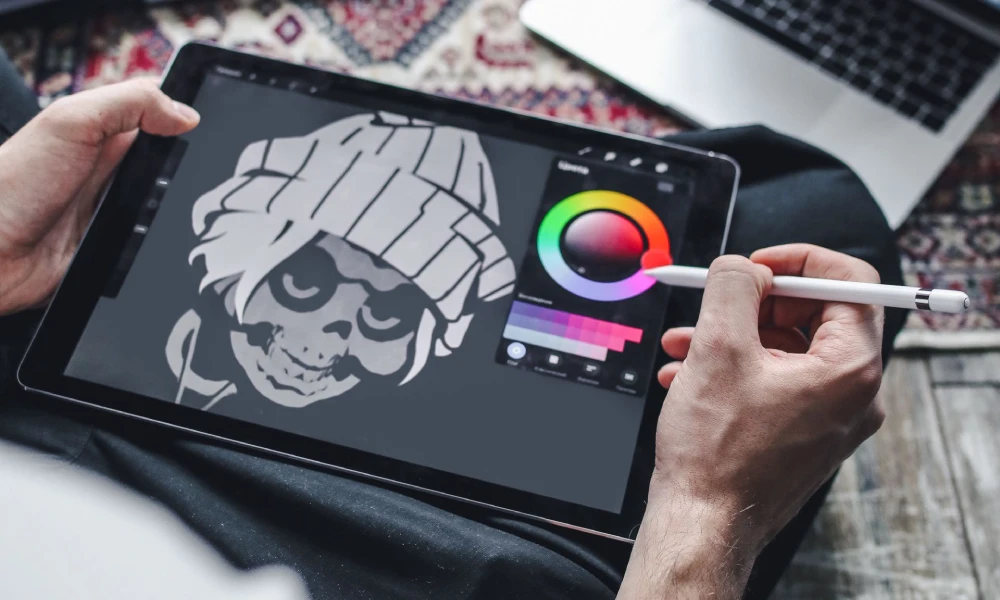
Cheap Logo vs. Professional Branding: Strategic, Financial, and Legal Comparison
In the early stages of establishing an enterprise, business leaders frequently face a critical procurement decision: s...
.webp)
Freelancer vs. Agency Branding Cost: Commercial Comparison Blueprint
When leadership teams, founders, and marketing directors set out to build, refresh, or scale a corporate brand, the pr...
.webp)
Packaging Design Cost in UAE: Commercial Guide to Pricing Tiers
In the United Arab Emirates, retail packaging serves as an essential customer conversion engine. Whether showcased on ...
.webp)
Brand Strategy Cost in UAE: Budgeting, Methodology, and Deliverables
In the United Arab Emirates, corporate success rarely hinges on visual presentation alone. While a polished logo, refi...

