
-
- Digital Marketing
-
 Perf. Marketing
 E-mail Marketing
 PPC Services
 Video Marketing
 Influencer Marketing
- Social Media
 Facebook Marketing
 Instagram Marketing
 Twitter Marketing
 Pinterest Marketing
 TikTok Marketing


-
- Digital Marketing
-
Perf. Marketing
- E-mail Marketing
- PPC Services
- Video Marketing
- Influencer Marketing
- Social Media
- Facebook Marketing
- Instagram Marketing
- Twitter Marketing
- Pinterest Marketing
- TikTok Marketing
Blog
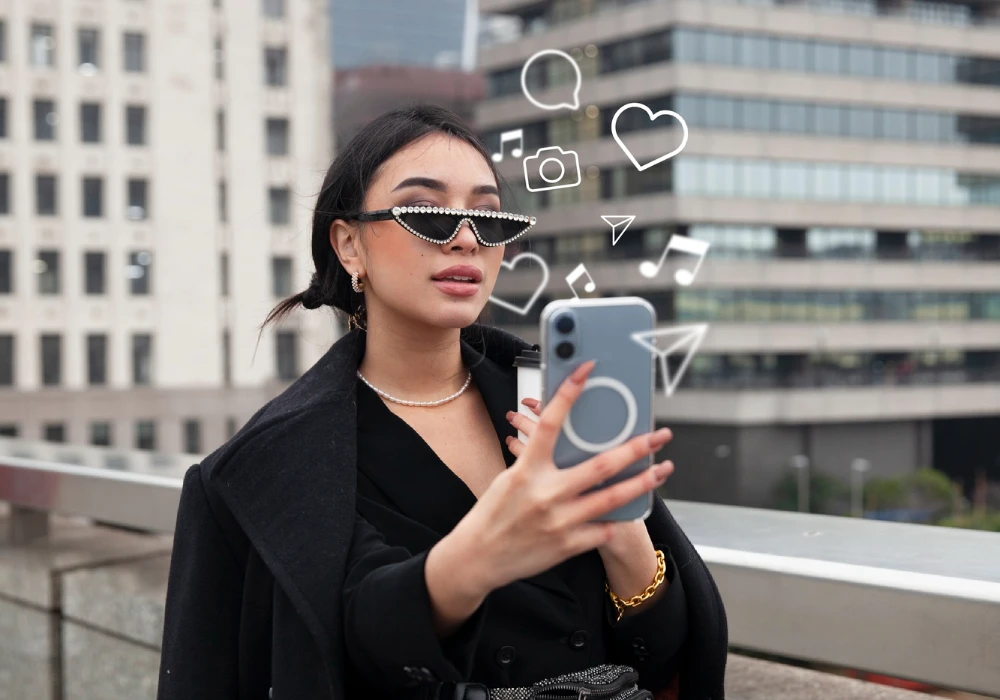
Anatomy of the Modern Social Media Influencer: Digital Trust and Commercial Architecture
Want a Quick Summary?
Summarize this article instantly with ChatGPT.
The contemporary media landscape has undergone an irreversible structural reorganization. For decades, consumer attention, cultural authority, and commercial endorsement were monopolized by centralized broadcast institutions: Hollywood studios, television networks, print publishing conglomerates, and Madison Avenue advertising agencies. These gatekeepers dictated cultural taste, defined celebrity, and controlled distribution channels.
The proliferation of ubiquitous mobile computing and global digital platforms- Instagram, YouTube, TikTok, LinkedIn, and Twitch, democratized content production and distribution, dismantling these centralized gatekeepers. In their place emerged a decentralized class of independent media operators: the modern social media influencer. Far from being a fleeting byproduct of internet vanity, the social media influencer represents an institutional evolution in how human attention is captured, how digital trust is cultivated, and how commerce is conducted in a network-connected world.
Deconstructing the Influencer Phenomenon: Influence vs. Celebrity
To understand the commercial and sociological power of the modern influencer, one must first dismantle the conflation between traditional celebrity and creator-driven influence. While traditional celebrities (actors, athletes, musicians) often command broad public awareness, this recognition does not automatically translate into directional influence over consumer behavior.
Traditional celebrity is built upon an architecture of distance, aspirational glamour, and artificial perfection. Audiences observe traditional celebrities from afar, recognizing their achievements while maintaining an emotional buffer. Conversely, the social media influencer builds an audience based on intimacy, continuous accessibility, vulnerability, and reciprocal dialogue. Influencers broadcast their unvarnished morning routines, articulate personal anxieties, document everyday failures, and actively converse with followers in public comment sections and private message inboxes. Over months and years of consistent daily exposure, this creates a profound parasocial relationship: followers perceive the creator not as an untouchable icon, but as a trusted peer, mentor, or companion. When an influencer recommends a book, a productivity workflow, a skincare regimen, or a financial tool, the recommendation carries the emotional weight of personal advice from a friend rather than an impersonal corporate pitch.
The Spectrum of Influence: Sizing, Psychology, and Audience Dynamics
The creator ecosystem is not a homogenous collective. Influence operates along a distinct continuum, where community scale inversely correlates with audience intimacy and interaction density.
- Nano-Influencers (1,000 to 10,000 Followers): Positioned as hyper-local community figures, everyday consumers, and vocal hobbyists. Their follower networks consist of real-world acquaintances and hyper-targeted niche enthusiasts. They boast the highest engagement rates in the industry (frequently exceeding 6% to 10%) and communicate with nearly zero perceived commercial bias.
- Micro-Influencers (10,000 to 100,000 Followers): The operational engine of modern performance marketing. Micro-creators have developed dedicated authority within defined categorical verticals—such as ergonomic workspace design, sourdough breadmaking, gravel cycling, or zero-waste parenting. They are large enough to generate meaningful commercial volume, yet accessible enough to maintain personal rapport with their audiences.
- Macro-Influencers (100,000 to 1,000,000 Followers): Established digital voices, multi-platform broadcasters, and topic-specific personalities. Macro-creators offer professional-grade studio production, widespread reach, and the ability to drive broad market awareness. Their operations typically involve management teams, formal content calendars, and cross-channel distribution networks.
- Mega-Influencers and Digital Celebrities (1,000,000+ Followers): The cultural tastemakers who transcend social niches to influence mainstream popular culture. They drive national retail velocity, appear on mainstream broadcast media, and shape global lifestyle trends. Their value lies predominantly in brand prestige, social proof, and broad cultural positioning.
The Four Dimensions of Digital Trust
| Pillar of Trust | Operational Mechanism | Commercial Impact | Failure Point / Risk |
|---|---|---|---|
| Domain Expertise | Consistent demonstration of deep technical or experiential mastery within a specific niche. | High conversion intent on specialized product recommendations. | Endorsing products outside their domain of expertise without context. |
| Editorial Independence | Willingness to publicly criticize flawed products and reject low-quality commercial offers. | Audience views sponsored recommendations as authentic and thoroughly tested. | Accepting unvetted brand sponsorships purely for cash compensation. |
| Authentic Accessibility | Engaging directly in comment discussions and sharing behind-the-scenes realities. | Strong parasocial bonds; elevated viewer retention and loyalty. | Overly corporate, highly scripted, or distant messaging. |
| Regulatory Transparency | Unambiguous, upfront disclosure of commercial ties (FTC-compliant disclosures). | Preserves long-term audience trust; shields brand and creator from legal liabilities. | Hiding sponsorship tags or deceiving viewers about paid endorsements. |
The Economic Architecture: How Creators Monetize Influence
The early phase of the creator economy forced influencers into a single monetization channel: brand sponsorships. Creators were reliant on outbound brand deals, flat-fee product placements, and transactional gifting. As the ecosystem matured, successful influencers diversified their revenue into comprehensive multi-stream business models, transforming personal brands into independent media enterprises.
1. Direct-to-Consumer Brand Collaborations and Retainers
Sponsored content remains a core revenue driver, but the terms of engagement have evolved. Sophisticated creators no longer accept one-off transactional posts that disrupt their feeds. Instead, they structure multi-month brand ambassador retainers that incorporate content production, category exclusivity, and paid media licensing rights (whitelisting permissions for Meta Partnership Ads and TikTok Spark Ads).
2. Affiliate Networks and Performance Commissions
Through trackable affiliate links, personalized checkout discount codes, and platform-native affiliate storefronts (such as the Amazon Influencer Program or TikTok Shop), creators earn recurring commissions ranging from 5% to 30% on gross product sales. This aligns their financial success with product performance and customer satisfaction.
3. Platform Partner Revenue Shares
Social networks maintain automated monetization pools to incentivize top creators to stay on their platforms. These include the YouTube Partner Program (AdSense sharing on pre-roll, mid-roll, and Shorts ads), TikTok Creator Rewards Program, and subscriber-only subscription tiers on platforms like Twitch and Substack.
4. Proprietary Intellectual Property and Product Lines
The highest level of monetization occurs when creators transition from promoting third-party products to selling their own proprietary goods. Leveraging their organic audience data and distribution channels, influencers launch direct-to-consumer businesses across consumer packaged goods, beauty, apparel, and software. By eliminating third-party retail markups and reducing traditional paid advertising costs, creator-founded brands capture substantial enterprise margins.
The Responsibility of Influence: Regulatory Governance and Brand Safety
With massive reach comes regulatory accountability. The era of unregulated internet endorsements has ended, replaced by strict regulatory oversight from governmental bodies such as the United States Federal Trade Commission (FTC), the UK Advertising Standards Authority (ASA), and global trade regulators.
Regulators mandate clear, conspicuous, and unambiguous disclosures whenever a commercial relationship exists between an influencer and a brand. This includes:
- Placing disclosures (e.g., #ad, #sponsored, or native platform partnership tags) before the viewer scrolls, clicks "more," or engages with video content.
- Disclosing gifts, free travel, hotel stays, event access, and corporate equity, not just cash payments.
- Ensuring verbal disclosures are included within video and audio content, matching the visual placement for multi-sensory clarity.
- Prohibiting unsubstantiated health, medical, or financial claims that cannot be verified by scientific or clinical evidence.
Failure to comply with regulatory standards exposes both the influencer and the sponsoring brand to substantial financial penalties, legal action, and lasting reputational damage.
The Future Horizon: AI Creators, Virtual Avatars, and Decentralized Networks
The concept of the social media influencer continues to evolve alongside emerging technological capabilities. We are witnessing the rise of synthetic media, AI-generated virtual influencers, and algorithmic personalities that command hundreds of thousands of engaged followers without a physical human counterpart. These virtual creators offer complete brand safety, non-stop production capabilities, and tailored aesthetic consistency, presenting both opportunities and philosophical questions regarding the nature of human connection.
Concurrently, the vulnerability of building businesses on centralized, algorithm-dependent platforms has led creators to transition their audiences onto owned channels: private email newsletters, private podcast feeds, community platforms, and decentralized protocols. The social media influencer is no longer just a promotional channel; they are the architects of the modern attention economy. Brands that understand the sociological underpinnings of digital trust, respect the editorial voice of creators, and construct value-driven commercial partnerships will continue to thrive in this decentralized, creator-led future.
Looking for Measurable Business Growth?
Partner with BrandStory for end-to-end digital & creative excellence.


Are You Looking for Growth?
Free instant digital marketing audit and improve performance.
Get Graded Today
Transform Your Digital Growth with BrandStory
From SEO, PPC, social media marketing, and content marketing to website development, branding, and lead generation, BrandStory delivers result-driven digital marketing services in Dubai and across the UAE, helping businesses attract, engage, and convert more customers.
Trusted by 1000+ leading brands in Dubai and globally including:




Related Blogs
How to Write a Privacy Policy for an App: Complete Legal Guide
Drafting an app privacy policy is both an essential legal obligation and a mandatory technical prerequisite for publishi...

UAE PDPL and Mobile Apps: Architecture and Compliance Guide
Operating a mobile application in the United Arab Emirates requires strict adherence to the UAE Personal Data Protection...
How to Protect User Data in a Mobile App: Architecture & Privacy Guide
Protecting user data in a mobile application is both a technical imperative and a critical legal requirement. In modern ...
Mobile App Security Best Practices: Architecture & Hardening Guide
Mobile application security has transitioned from an isolated compliance checkbox into a foundational pillar of software...
Mobile App Analytics Tools Every Owner Should Know: The Telemetry Guide
Operating a successful mobile application requires an integrated data telemetry stack that transforms raw user actions i...
How to Run a Mobile App Launch Campaign: Complete GTM Guide
Executing a successful mobile app launch campaign requires a coordinated go-to-market architecture that aligns technical...

