


Blog
What is SEO and SEM? Understanding Their Importance
Want a Quick Summary?
Summarize this article instantly with ChatGPT.
SEO, or Search Engine Optimization, and SEM, or Search Engine Marketing, are crucial for enhancing online visibility. SEO focuses on optimizing website content to rank higher in organic search results, while SEM incorporates paid advertising strategies to increase site traffic. Both approaches aim to improve a website's presence on search engines, driving more visitors and potential customers to businesses. Understanding the nuances of SEO and SEM can empower individuals and businesses to make informed decisions about their online marketing efforts.
The distinction between SEO and SEM lies in their methodologies. SEO is all about refining website content and structure to secure free, organic search traffic. In contrast, SEM utilizes paid advertisements to enhance visibility on search engines. While SEO builds long-term value through content quality and backlinks, SEM delivers immediate results through targeted ads. Both strategies are essential for a holistic approach to online marketing, catering to different business needs and timelines.
Implementing effective SEO and SEM strategies involves a mix of best practices tailored to business goals. For SEO, focus on keyword research, quality content creation, and building backlinks. For SEM, it's vital to create compelling ad copy, select appropriate keywords, and monitor campaign performance. Businesses should regularly analyze their strategies, adjusting based on analytics and performance metrics to maximize their online presence and ensure sustained growth.
Understanding the Differences Between SEO and SEM
SEO (Search Engine Optimization) and SEM (Search Engine Marketing) are two essential components of online visibility. While SEO focuses on improving the organic search rankings through techniques like keyword optimization and content creation, SEM encompasses paid advertising strategies that boost visibility on search engines. Both methods are crucial for businesses aiming to enhance their online presence and attract more visitors.
The primary difference between SEO and SEM lies in their approach to gaining visibility. SEO is about optimizing your website to rank higher in search results without paying for placement. In contrast, SEM involves purchasing ads to appear prominently in search results, allowing for immediate visibility. Understanding these differences helps businesses choose the right approach for their online marketing efforts.
Implementing both SEO and SEM can significantly impact a business's online strategy. SEO builds long-term organic traffic through quality content and site optimization, while SEM provides instant traffic through targeted ads. Combining both can create a balanced approach, maximizing visibility and attracting diverse audiences. Businesses should consider their goals and resources when deciding how to integrate these two strategies effectively.
Implementing SEO and SEM Strategies
To effectively implement SEO and SEM strategies, start by defining clear objectives. Understand your target audience and the keywords they use to search for your products or services. Create high-quality content that resonates with your audience while incorporating these keywords naturally. Utilize on-page SEO techniques, such as optimizing title tags, meta descriptions, and header tags, to enhance visibility. For SEM, focus on crafting compelling ad copy and selecting the right keywords for bidding. Regularly analyze your performance metrics to adjust your strategies accordingly.
Key Tips for SEO and SEM
Begin your journey into SEO and SEM by conducting thorough keyword research. Identify keywords that not only have high search volumes but also align with your business goals. Optimize your website's structure and content to ensure it is user-friendly and search engine-friendly. For SEM, set a budget and choose the right platforms to reach your audience. Monitor your campaigns closely and be ready to tweak your strategies based on data insights to maximize your ROI.
When implementing SEO and SEM, prioritize creating valuable content that addresses your audience's needs. Use tools to analyze your competition and find gaps in their strategies that you can exploit. For SEO, ensure your website is technically sound, with fast loading times and mobile optimization. In SEM, experiment with different ad formats and targeting options to discover what works best for your brand. Continuously test and refine your approaches to stay ahead in the digital landscape.
Effective SEO Techniques
To successfully integrate SEO and SEM, align your marketing efforts with a unified message. Develop a content calendar that includes both organic and paid strategies, ensuring consistency in your branding. Leverage analytics to understand which keywords drive traffic and conversions, allowing you to allocate resources effectively. Consider A/B testing your ads to determine the most effective messaging and visuals. Regularly review your strategies to adapt to changing market conditions and consumer behavior.
Essential SEO Elements
For a successful SEO and SEM implementation, start by setting measurable goals. Use analytics tools to track your progress and adjust your tactics as needed. Invest in quality backlinks to boost your SEO efforts and enhance your site's authority. In SEM, focus on optimizing your landing pages to improve conversion rates. Stay informed about the latest trends in both fields to ensure your strategies remain effective and relevant.
Enhancing SEO with Automation
Implementing effective SEO and SEM strategies requires ongoing education and adaptation. Stay updated with industry changes and algorithm updates to refine your tactics. Create engaging content that not only attracts visitors but also encourages them to take action. In your SEM efforts, continually analyze your ad performance and experiment with different bidding strategies. Collaborate with other digital marketing channels to create a holistic approach that maximizes your online presence.
Assessing SEO Results
To enhance your SEO and SEM strategies, start by identifying key performance indicators (KPIs) that matter for your business. Use these metrics to evaluate the success of your campaigns and make data-driven decisions. Focus on building a strong online presence through consistent branding and messaging across all platforms. In SEM, leverage retargeting strategies to re-engage users who have previously interacted with your brand. Always be ready to pivot your strategies based on performance and market trends.
Common Challenges in SEO and SEM
When it comes to SEO and SEM, businesses often encounter several challenges. One major issue is the constant evolution of search engine algorithms, which can lead to fluctuations in rankings and effectiveness. Additionally, many companies struggle with understanding the balance between organic and paid search strategies, often investing too heavily in one at the expense of the other. Limited budgets can also hinder the ability to implement comprehensive SEO and SEM campaigns, making it difficult to compete effectively. Another challenge is measuring the success of these strategies, as the metrics can be complex and misleading. Finally, staying updated with industry trends and best practices is crucial, yet many businesses find it challenging to keep pace.
Understanding SEO Tool Limitations
A significant challenge in SEO and SEM is the competition for visibility in crowded markets. Many businesses fail to differentiate their offerings, leading to ineffective campaigns that do not resonate with target audiences. Furthermore, a lack of expertise in keyword research can result in missed opportunities, as companies may not target the most relevant or high-traffic terms. Technical issues, such as website performance and mobile optimization, can also impede success. Businesses often overlook the importance of local SEO, which can be a critical component for those serving specific geographic areas. Lastly, integrating SEO and SEM efforts into a unified strategy remains a hurdle for many, causing disjointed marketing efforts.
Overcoming SEO Implementation Challenges
Common pitfalls in SEO and SEM include neglecting on-page SEO factors, such as meta tags and content optimization, which can significantly affect search rankings. Many businesses also struggle with creating high-quality, engaging content that meets user intent and encourages conversions. Additionally, over-reliance on paid advertising can lead to unsustainable practices, where businesses neglect organic search growth. Misunderstanding audience targeting can result in wasted ad spend and ineffective marketing messages. Lastly, failing to analyze and adapt strategies based on performance data can prevent businesses from optimizing their campaigns effectively.
Identifying SEO Obstacles
Adapting to changes in SEO and SEM can be daunting. Businesses often find it difficult to keep up with algorithm updates, which can drastically alter search engine results. The pressure to generate immediate results through SEM can lead to impulsive decisions, such as abandoning long-term SEO efforts. Additionally, many companies underestimate the time and resources required to see significant improvements in organic search rankings. There is also the challenge of aligning SEO and SEM goals, as conflicting objectives can lead to wasted resources and confusion. Finally, managing expectations around results and timelines is crucial, as both SEO and SEM require strategic patience.
Key Resources for SEO Enhancement
Another challenge businesses face is the integration of SEO and SEM into a cohesive marketing strategy. Many companies operate these efforts in silos, which can lead to inconsistent messaging and missed opportunities for cross-channel synergy. Additionally, understanding the full customer journey, from awareness to conversion, is essential for optimizing both SEO and SEM efforts. The lack of a clear strategy can result in fragmented campaigns that fail to leverage the strengths of each approach. Furthermore, businesses often struggle with budget allocation between SEO and SEM, leading to an imbalance that can affect overall marketing performance.
Leveraging Tools for Successful SEO
In the realm of SEO and SEM, businesses often overlook the importance of ongoing education and adaptation. The digital landscape is constantly changing, and what works today may not work tomorrow. Companies that do not prioritize learning about new tools, techniques, and trends may find themselves falling behind competitors. Additionally, many businesses fail to recognize the value of user experience in both SEO and SEM, which can impact engagement and conversion rates. Finally, maintaining a flexible approach to strategy can be challenging, as companies may become too attached to their initial plans, even when data suggests a need for change.
Integrating SEO and SEM into Your Marketing Plan
To enhance your online visibility, integrating SEO and SEM is essential. SEO focuses on improving organic search rankings, while SEM leverages paid advertising to reach broader audiences. Combining these approaches creates a comprehensive marketing strategy that maximizes your online presence and drives traffic effectively.
Integrating SEO and SEM Strategies
Start by aligning your SEO and SEM efforts. Use keyword research to inform both strategies, ensuring that the keywords you target organically are also included in your paid campaigns. This alignment helps in creating cohesive messaging and improves the overall effectiveness of your marketing efforts.
Enhancing Content with SEO Insights
Next, monitor and analyze the performance of both SEO and SEM initiatives. Utilize analytics tools to assess which keywords drive traffic and conversions. This data will guide your strategy adjustments, allowing you to allocate resources efficiently between organic and paid efforts.
Applying SEO Techniques Across Platforms
Additionally, consider the user experience across your website. Ensure that landing pages optimized for SEM are also enriched with SEO best practices. This not only boosts your quality scores in paid campaigns but also enhances organic rankings, creating a seamless experience for visitors.
Leveraging Keyword Research for Insights
Finally, stay updated on the latest trends in SEO and SEM. The digital landscape is ever-changing, and continuous learning will help you adapt your strategies. Attend webinars, read industry blogs, and participate in forums to keep your knowledge fresh and your marketing plan effective.
Success Stories in SEO and SEM
One notable example of effective SEO and SEM implementation comes from a small e-commerce business that focused on niche products. By optimizing their website for specific keywords related to their offerings and utilizing targeted ads, they increased their online visibility significantly. Within six months, their organic traffic grew by 150%, and their paid campaigns yielded a return on investment of 300%. This success showcases how combining SEO and SEM can lead to substantial growth for businesses seeking to enhance their digital presence.
Tools That Enhance SEO Performance
Another case involves a local service provider who integrated SEO and SEM strategies to capture more local customers. They revamped their website content to include local keywords and launched a PPC campaign targeting their specific city. As a result, they saw a 200% increase in inquiries and were able to dominate local search results. This example highlights the power of tailoring SEO and SEM efforts to meet local demand and enhance customer acquisition.
Examples of SEO Success Cases
A well-known SaaS company successfully utilized SEO and SEM to drive awareness of a new product launch. They created engaging content optimized for search engines while simultaneously running targeted ads on social media platforms. The dual approach led to a 400% increase in sign-ups during the launch period compared to previous campaigns. This case illustrates how a coordinated SEO and SEM strategy can maximize reach and engagement during critical business events.
Selecting Effective SEO Tools
In the travel industry, a small agency revamped its online marketing by implementing SEO and SEM. They focused on optimizing their blog for travel-related keywords and used paid search ads to promote special offers. The result was a 250% increase in website traffic and a 50% rise in bookings within three months. This example demonstrates how even smaller players in competitive markets can thrive by leveraging both SEO and SEM effectively.
Improving SEO Research Techniques
Lastly, a health and wellness brand adopted a combined SEO and SEM strategy to enhance its online presence. By optimizing product descriptions for search engines and running ads targeting specific health trends, they achieved a remarkable 300% growth in web traffic. This success story emphasizes the importance of aligning SEO and SEM efforts to create a cohesive marketing strategy that resonates with the target audience.
Popular Tools for SEO and SEM
When exploring what is SEO and SEM, it's essential to understand the tools that can enhance your efforts. Popular tools like Google Analytics and SEMrush provide valuable insights into your website's performance and keyword rankings. Other useful resources include Moz for SEO tracking, Ahrefs for backlink analysis, and Google Ads for managing paid search campaigns. Each of these tools plays a crucial role in helping businesses optimize their online visibility and marketing strategies.
Key Resources for Effective SEO
For those asking what is SEO and SEM, several effective tools can assist in your journey. Tools such as Yoast SEO for WordPress help optimize content, while Google Search Console provides essential data about your site’s search performance. Additionally, platforms like HubSpot offer comprehensive marketing solutions that integrate both SEO and SEM strategies. Utilizing these resources can significantly improve your online marketing efforts.
Techniques for SEO Success
Understanding what is SEO and SEM involves recognizing the right tools to use. Tools like Screaming Frog are excellent for site audits, while BuzzSumo helps in content research and identifying trending topics. Furthermore, tools like WordStream can aid in managing and optimizing your SEM campaigns effectively. Leveraging these resources can lead to better results in your digital marketing initiatives.
SEO Research Tools
To grasp what is SEO and SEM, it's vital to utilize various tools available in the market. For instance, Google Keyword Planner can help identify the best keywords for your campaigns, while Raven Tools offers comprehensive reporting features for both SEO and SEM efforts. Additionally, using tools like Canva can assist in creating engaging visuals for your marketing campaigns, enhancing overall effectiveness.
Essential Tools for SEO Improvement
Exploring what is SEO and SEM requires an understanding of the tools that facilitate these practices. Tools such as Ahrefs for keyword research and SEMrush for competitive analysis are invaluable. Moreover, platforms like Mailchimp can enhance your outreach efforts, integrating SEO and SEM strategies effectively. Adopting these tools can significantly impact your online presence and marketing success.
Continuous Learning in SEO and SEM
In the ever-evolving world of digital marketing, understanding what is SEO and SEM is crucial for businesses. Continuous learning ensures that companies remain competitive and can adapt to changes in search engine algorithms and consumer behavior. By staying informed about the latest trends and techniques in SEO and SEM, businesses can enhance their online visibility and reach their target audiences more effectively.
The Role of Adaptation in SEO and SEM
Adapting to new information and practices is essential for success in SEO and SEM. This includes learning about updates to search engine algorithms, shifts in user behavior, and emerging tools that can aid in these efforts. Regularly updating knowledge helps businesses refine their strategies and improve their overall digital presence.
The Essential Role of Continuous Learning in SEO and SEM
To effectively implement SEO and SEM, businesses should prioritize ongoing education. This can involve attending workshops, following industry blogs, or participating in online courses. By investing in learning, companies can better navigate the complexities of SEO and SEM, leading to improved performance and higher conversion rates.
Integrating Continuous Learning in SEO and SEM
Moreover, continuous learning fosters a culture of innovation within organizations. Teams that are knowledgeable about the latest SEO and SEM practices can develop creative solutions to enhance their marketing strategies. This proactive approach not only improves results but also encourages collaboration and knowledge sharing among team members.
Strategizing SEO with Ongoing Learning
Ultimately, the commitment to continuous learning in SEO and SEM can significantly impact a business's success. By understanding what is SEO and SEM, companies can make informed decisions that drive growth and ensure long-term sustainability in their digital marketing efforts.
Measuring Success in SEO and SEM
Analytics play a crucial role in evaluating the effectiveness of SEO and SEM efforts. By leveraging tools like Google Analytics, businesses can track key performance indicators (KPIs) such as organic traffic, bounce rates, and conversion rates. Understanding these metrics helps in assessing which strategies are working and where adjustments are needed. For instance, a significant drop in traffic might indicate that SEO tactics need refinement, while low conversion rates could suggest that SEM campaigns require optimization. Regularly analyzing data allows businesses to make informed decisions and adapt their strategies for better outcomes in their online presence.
Understanding Analytics in SEO and SEM
To measure success in SEO and SEM, analytics are indispensable. These tools provide insights into user behavior, allowing businesses to understand how visitors interact with their websites. Metrics such as click-through rates (CTR) and return on investment (ROI) offer valuable information on the effectiveness of both organic and paid search efforts. By continuously monitoring these analytics, companies can identify trends, optimize their campaigns, and ensure they are meeting their marketing goals. This ongoing evaluation is vital for staying competitive in the digital landscape.
Analytics Tools for SEO and SEM
The integration of analytics in SEO and SEM is essential for tracking progress and making data-driven decisions. Businesses can utilize various analytics platforms to assess their performance, focusing on metrics that matter most to their objectives. For example, analyzing keyword performance can reveal which terms drive the most traffic, while SEM analytics can show which ads yield the highest ROI. Understanding these dynamics allows companies to refine their approaches, ensuring that both SEO and SEM strategies align with their overall marketing goals.
Enhancing SEO with Analytics Insights
Measuring the success of SEO and SEM initiatives relies heavily on analytics. These tools help businesses gain insights into their online visibility and the effectiveness of their marketing strategies. By examining data such as user engagement and conversion metrics, companies can pinpoint successful tactics and areas needing improvement. This analytical approach not only enhances understanding of audience behavior but also aids in optimizing future campaigns for better performance and higher returns.
Data-Driven SEO and SEM Approaches
Analytics serve as a guiding light in the realm of SEO and SEM, illuminating the paths that lead to success. By systematically tracking various performance metrics, businesses can discern the effectiveness of their strategies. For instance, a rise in organic search rankings may correlate with increased website traffic, while SEM analytics can highlight the cost-effectiveness of ad spend. This continuous feedback loop empowers businesses to adapt their tactics swiftly, ensuring they remain agile and responsive to market changes.
When to Adjust Your SEO and SEM Strategies
Adjusting your SEO and SEM strategies is crucial for staying relevant in the digital landscape. Monitor your website's performance regularly. If you notice a drop in traffic or engagement, it might be time to reevaluate your approach. Additionally, keep an eye on industry trends and algorithm updates, as these can impact your visibility. Regularly updating your content and keywords in line with current trends can also help maintain your rankings. Don't hesitate to experiment with new strategies based on analytics insights, as flexibility can lead to better results.
Timing Your SEO and SEM Adjustments
When considering adjustments to your SEO and SEM strategies, look for signs such as declining click-through rates or stagnant conversion rates. These indicators suggest that your current methods may not be resonating with your audience. Furthermore, if your competitors are gaining traction, it’s a good idea to analyze their strategies. Implement A/B testing to determine which changes yield the best results. Staying proactive with your SEO and SEM efforts ensures that you remain competitive and can effectively reach your target audience.
Identifying When to Update SEO Tactics
To know when to tweak your SEO and SEM strategies, pay attention to your analytics. If you observe fluctuations in your rankings or a decrease in organic traffic, it’s time to take action. Regularly assess your keyword performance and adjust accordingly. Additionally, if your audience’s behavior changes, such as shifts in search intent or new trends emerging, adapt your strategies to align with these changes. Consistent evaluation and adaptation are key to maintaining effective SEO and SEM practices.
Assessing the Need for SEO Strategy Changes
Identifying the right moment to adjust your SEO and SEM strategies can significantly enhance your online presence. Look for signs like a decrease in website traffic or engagement metrics that fall below expectations. If your content isn’t performing as it should, consider refreshing it with updated information and better-targeted keywords. Also, keep an eye on your competitors' activities; if they are gaining visibility, it may prompt you to innovate your own strategies. Regularly revisiting your tactics will help you stay ahead in the competitive online landscape.
Common Pitfalls in SEO and SEM
When navigating the world of SEO and SEM, businesses often encounter common pitfalls that can hinder their success. One major mistake is neglecting to define clear goals for their campaigns. Without specific objectives, it's challenging to measure progress and effectiveness. Additionally, many fall into the trap of focusing solely on short-term gains rather than building long-term strategies. This approach can lead to wasted resources and missed opportunities for growth. Another frequent issue is the lack of keyword research. Businesses sometimes assume they know what terms will drive traffic, but without thorough analysis, they risk targeting the wrong audience. Furthermore, ignoring the importance of mobile optimization can severely impact user experience and search rankings, as more users access content via mobile devices. Lastly, failing to regularly analyze performance metrics can prevent businesses from identifying areas for improvement. Continuous monitoring and adjustment of strategies based on data insights are essential for maximizing the effectiveness of SEO and SEM efforts.
Frequent Mistakes in SEO and SEM
In the realm of SEO and SEM, one common pitfall is the over-reliance on paid advertising. While SEM can deliver immediate results, neglecting organic SEO efforts can lead to long-term disadvantages. Balancing both strategies is crucial for a sustainable online presence. Additionally, businesses often struggle with content quality. Producing low-quality or irrelevant content can harm a site's credibility and search rankings. Another mistake is not keeping up with algorithm changes. Search engines frequently update their algorithms, and staying informed about these changes is vital for maintaining visibility. Additionally, businesses should avoid duplicating content across multiple platforms, as this can confuse search engines and dilute brand messaging. Finally, not utilizing social media effectively can limit exposure. Integrating social media into SEO and SEM strategies can enhance reach and engagement, driving more traffic to the website.
Selecting Effective SEO Tools
When it comes to SEO and SEM, many businesses overlook the importance of user experience. A website that is difficult to navigate can deter potential customers, regardless of how well-optimized it is for search engines. Ensuring a seamless user experience is essential for retaining visitors and converting them into customers. Additionally, businesses often underestimate the power of local SEO. Failing to optimize for local searches can result in missed opportunities, especially for companies serving specific regions. Another common pitfall is neglecting to build backlinks. Quality backlinks are crucial for establishing authority and improving search rankings. Without a strategy for acquiring these links, a business may struggle to compete against others in their industry. Moreover, many companies do not take advantage of analytics tools, which can provide valuable insights into user behavior and campaign performance. Lastly, businesses should be cautious about using black hat SEO techniques. While these may offer short-term gains, they can lead to penalties from search engines, ultimately harming a brand's reputation.
Key Factors for SEO Tool Success
In the SEO and SEM landscape, a significant pitfall is failing to adapt to changes in consumer behavior. As trends shift, businesses must be agile in adjusting their strategies to meet evolving demands. Additionally, overlooking the importance of A/B testing can lead to missed opportunities for optimization. Testing different approaches helps identify what resonates best with the audience. Moreover, many businesses do not utilize retargeting strategies effectively. Retargeting can help re-engage visitors who showed interest but did not convert, enhancing overall campaign effectiveness. Another common mistake is ignoring competitor analysis. Understanding what competitors are doing can provide insights into successful tactics and areas for improvement. Lastly, businesses should be wary of spreading themselves too thin across various channels. Focusing on a few key strategies and executing them well is often more effective than attempting to manage numerous campaigns without adequate resources.
Choosing the Right Tools for SEO and SEM
When considering what tools to use for SEO and SEM, it's crucial to evaluate their effectiveness in boosting your online visibility. Start by identifying your specific needs—whether it's keyword research, analytics, or content optimization. Look for tools that offer comprehensive features, user-friendly interfaces, and integration capabilities with other platforms. Popular choices include Google Analytics for tracking performance, SEMrush for competitive analysis, and Moz for SEO insights. Always prioritize tools that provide actionable data and insights to enhance your strategies.
Selecting the right tools for SEO and SEM can significantly impact your digital marketing success. Begin by assessing your business goals and the specific areas you want to improve, such as website traffic or conversion rates. Tools like Ahrefs can help with backlink analysis, while Google Ads offers insights into paid search performance. Focus on tools that are tailored to your objectives and provide robust reporting features. Ensure that you choose solutions that can adapt to the evolving landscape of SEO and SEM to stay ahead in the competitive market.
Best Practices for SEO and SEM Success
To maintain effective SEO and SEM, businesses should prioritize consistent content creation that aligns with user intent. Regularly updating website content with relevant keywords can enhance organic visibility. Additionally, monitoring analytics is crucial to assess which strategies are yielding the best results and making necessary adjustments. Employing both on-page and off-page SEO techniques will help improve rankings, while SEM campaigns should be optimized based on performance data to maximize ROI.
Implementing best practices for SEO and SEM requires a clear understanding of target audiences. Creating high-quality, engaging content that addresses user needs is essential. Companies should also focus on building backlinks from reputable sources to enhance authority. Additionally, utilizing A/B testing in SEM can reveal which ad variations perform best, allowing for more targeted advertising efforts. Regularly reviewing and adapting strategies based on market trends will keep businesses competitive.
Effective SEO and SEM practices involve a multi-faceted approach. Start by conducting thorough keyword research to identify terms that resonate with your audience. It’s also important to optimize website speed and mobile-friendliness, as these factors significantly impact user experience and search rankings. For SEM, setting clear objectives and budgets before launching campaigns can lead to more efficient spending and better outcomes. Finally, fostering a culture of continuous learning within the team ensures that everyone stays informed about the latest trends and tools.
To optimize SEO and SEM efforts, businesses should focus on integrating their strategies seamlessly. This includes aligning content marketing with paid advertising efforts to ensure a consistent message. Regular audits of both SEO and SEM campaigns can identify areas for improvement, such as adjusting keyword targeting or refining ad copy. Engaging with audience feedback and analytics data will help inform future strategies, making them more effective over time. Staying adaptable and responsive to changes in search engine algorithms is also key to long-term success.


Are You Looking for Growth?
Free instant digital marketing audit and improve performance.
Get Graded Today
Transform Your Digital Growth with BrandStory
From SEO, PPC, social media marketing, and content marketing to website development, branding, and lead generation, BrandStory delivers result-driven digital marketing services in Dubai and across the UAE, helping businesses attract, engage, and convert more customers.
Trusted by 1000+ leading brands in Dubai and globally including:




Related Blogs
.webp)
Does Blogging Help SEO? The BrandStory Guide
Many businesses and content creators wonder if their blogging efforts truly contribute to their search engine optimizati...

How SEO Services Help Improve Rankings and Traffic
Many businesses question, "do SEO services work?" The definitive answer is yes, particularly when implemented with strat...
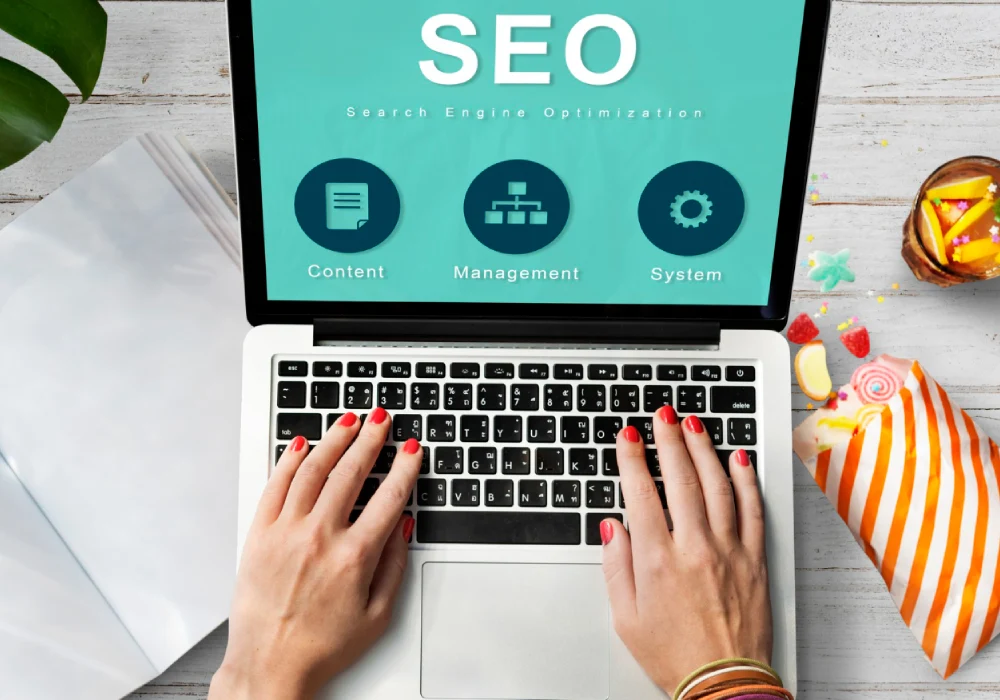
Do Outbound Links Help SEO? A Complete Guide
Many content creators and SEO professionals often wonder about the true impact of outbound links on search engine optimi...

Which Website Platform is Best for SEO
Choosing the right website platform is one of the most critical decisions for any business aiming to succeed online. You...
What Is White Hat SEO? Everything You Need to Know
White hat SEO refers to search engine optimization tactics that strictly adhere to Google's (and other search engines') ...

What is White Hat and Black Hat SEO?
In the complex world of Search Engine Optimization (SEO), understanding the difference between ethical and unethical pra...





BrandStory is a premier digital transformation agency in Dubai. We excel in digital marketing, web design, and branding expertise to help UAE-based businesses connect, expand, and succeed.

