
-
- Digital Marketing
-
 Perf. Marketing
 E-mail Marketing
 PPC Services
 Video Marketing
 Influencer Marketing
- Social Media
 Facebook Marketing
 Instagram Marketing
 Twitter Marketing
 Pinterest Marketing
 TikTok Marketing


-
- Digital Marketing
-
Perf. Marketing
- E-mail Marketing
- PPC Services
- Video Marketing
- Influencer Marketing
- Social Media
- Facebook Marketing
- Instagram Marketing
- Twitter Marketing
- Pinterest Marketing
- TikTok Marketing
Blog
What is PPC? Understanding Pay-Per-Click Advertising

Want a Quick Summary?
Summarize this article instantly with ChatGPT.
PPC, or pay-per-click advertising, is a digital marketing model where advertisers pay a fee each time their ad is clicked. It’s a way to buy visits to your site rather than earning them organically. This method allows businesses to display ads on search engines and social media platforms, targeting specific audiences based on keywords, demographics, and interests. The primary goal of PPC is to drive traffic to your website and generate leads or sales quickly, making it a popular choice for many marketers.
Understanding PPC involves knowing its core elements: keywords, ad placement, and bidding strategies. Advertisers create ads that appear in search engine results or on social media feeds, targeting users who search for specific terms related to their products or services. The effectiveness of a PPC campaign is often measured by its click-through rate (CTR) and conversion rate, which help advertisers optimize their strategies for better results. This approach provides immediate visibility and measurable outcomes, making it a valuable tool in the digital marketing landscape.
In essence, PPC is a straightforward way to reach potential customers actively searching for products or services like yours. By investing in PPC, businesses can gain immediate traffic and visibility, allowing them to compete effectively in their market. The ability to track and analyze results in real-time also means that advertisers can adjust their campaigns for maximum efficiency, ensuring they get the best return on their investment. Overall, PPC is a powerful strategy for driving targeted traffic and achieving specific marketing goals.
Benefits of PPC Advertising
PPC, or pay-per-click advertising, offers immediate visibility and traffic to your website. By targeting specific keywords, businesses can reach their audience effectively, ensuring that ads are shown to those most likely to convert. This results in measurable outcomes, allowing for real-time adjustments and optimizations based on performance data. With PPC, advertisers only pay when users click on their ads, making it a cost-effective strategy for driving qualified leads.
One of the key advantages of PPC is its ability to deliver targeted reach. Advertisers can customize their campaigns to focus on specific demographics, locations, and interests, ensuring that their message resonates with the right audience. Additionally, the results from PPC campaigns are easily trackable, enabling businesses to assess their return on investment and make informed decisions about their marketing strategies.
PPC advertising also provides a competitive edge in crowded markets. By leveraging various ad formats and platforms, businesses can stand out and capture the attention of potential customers. Furthermore, the flexibility of PPC allows for rapid experimentation with different ad copies and landing pages, helping to refine the messaging and increase conversion rates over time.
Types of PPC Advertising
PPC advertising encompasses various models, each tailored for different marketing objectives. Search ads, for instance, appear on search engine results pages and are triggered by specific keywords. Display ads, on the other hand, utilize visual content to attract attention across websites and apps. Social media ads leverage platforms like Facebook and Instagram to reach targeted audiences based on their interests and behaviors. Each type offers unique advantages, allowing businesses to choose the best fit for their goals.
Search Ads Explained
Among the various types of PPC advertising, search ads remain the most popular due to their ability to engage users actively seeking information. Display ads serve to create brand awareness through eye-catching visuals, while social media ads capitalize on user engagement within social networks. Video ads, another form of PPC, can effectively convey messages through platforms like YouTube, capturing attention in a dynamic format. Understanding these options helps advertisers optimize their strategies effectively.
PPC advertising includes a range of platforms and formats, such as Google Ads for search and display, and social media platforms like Facebook and Twitter for targeted campaigns. Additionally, remarketing ads allow businesses to re-engage users who have previously interacted with their website. Each type of PPC offers distinct benefits, enabling advertisers to tailor their approach based on their specific audience and objectives, ensuring maximum return on investment.
Display Advertising Overview
When exploring PPC advertising, it’s essential to consider the various formats available. Search ads are typically text-based and show up in search engine results, while display ads are graphical and appear on websites. Social media ads can be highly targeted, utilizing user data to reach specific demographics. Video ads are also gaining traction, allowing advertisers to engage audiences through compelling visual storytelling. Each format serves unique purposes in a well-rounded PPC strategy.
Social Media PPC Strategies
Different types of PPC advertising cater to diverse marketing needs. Search ads are designed for immediate visibility in response to user queries, while display ads aim to create brand recognition through visuals across various sites. Social media ads leverage user interaction to foster engagement, and video ads enhance storytelling capabilities. Understanding these types allows advertisers to craft effective campaigns that resonate with their target audiences.
Remarketing Campaigns
The landscape of PPC advertising includes various types, each with its unique advantages. Search ads are ideal for targeting users actively seeking information, while display ads focus on creating brand awareness through engaging visuals. Social media ads allow for precise targeting based on user interests, and video ads provide an immersive experience. Knowing the differences between these types helps marketers strategize effectively and maximize their advertising efforts.
Affiliate Marketing in PPC
Understanding the types of PPC advertising is crucial for effective campaign management. Search ads are often the first choice for immediate results, while display ads enhance brand visibility through attractive graphics. Social media ads utilize user data for targeted outreach, and video ads captivate audiences with dynamic content. Each type plays a vital role in a comprehensive PPC strategy, offering unique benefits tailored to specific marketing goals.
Common Misconceptions About PPC
Many people believe that PPC is only for large businesses with big budgets. In reality, even small businesses can benefit from PPC advertising by setting daily limits and targeting specific audiences. This flexibility makes it accessible for various budgets.
Understanding PPC Costs
Another common misconception is that PPC guarantees instant success. While it can drive immediate traffic, achieving significant results requires ongoing optimization and testing. Success is not just about launching ads but continuously refining them based on performance data.
Overcoming PPC Complexity
Some think that PPC is too complicated to manage without an expert. However, many platforms offer user-friendly tools that simplify campaign creation and management. With the right resources and a willingness to learn, anyone can effectively run PPC campaigns.
Identifying PPC Challenges
People often assume that PPC is a waste of money because they only pay for clicks. However, when executed correctly, PPC can yield a high return on investment by driving qualified traffic, which leads to conversions and sales.
Key Resources for PPC Success
Many believe that PPC ads are only effective for certain industries. This is not true, as PPC can be tailored to suit various sectors, from retail to services, making it a versatile marketing tool for any business type.
Tools for Effective PPC Management
Lastly, some think that once a PPC campaign is set up, it can run on autopilot. In reality, successful PPC requires regular monitoring and adjustments to ensure ads remain relevant and effective in reaching the intended audience.
Implementing a PPC Campaign
To effectively implement a PPC campaign, start by defining clear goals. Understand what you want to achieve, whether it's increasing website traffic, generating leads, or boosting sales. Next, conduct thorough keyword research to identify the terms your target audience is searching for. This will help you create targeted ads that resonate with potential customers. Additionally, set a realistic budget and monitor your spending closely to ensure you maximize your return on investment. Finally, continuously analyze your campaign performance, making adjustments as needed to improve results over time.
Setting Clear Goals for PPC
When implementing a PPC campaign, focus on creating compelling ad copy that captures attention. Highlight unique selling points and include strong calls to action. Utilize ad extensions to provide additional information and increase click-through rates. It's also essential to select the right platforms for your ads, whether it's Google Ads, Bing Ads, or social media channels. Test different ad formats to see what works best for your audience, and don't hesitate to refine your strategy based on performance metrics.
Targeting the Right Audience
To ensure a successful PPC campaign, regularly review and optimize your landing pages. Make sure they are relevant to the ads and provide a seamless user experience. A/B testing can be beneficial in determining which elements drive conversions. Additionally, consider using remarketing strategies to re-engage visitors who didn't convert initially. By keeping your ads relevant and targeting the right audience, you can enhance your campaign's effectiveness and achieve better results.
Optimizing Ad Copy for Engagement
Effective PPC implementation requires staying updated on industry trends and algorithm changes. Regularly educating yourself on best practices will keep your campaigns competitive. Leverage analytics tools to gain insights into user behavior, which can inform future ad strategies. Collaborate with your team or a PPC expert to brainstorm innovative approaches and identify areas for improvement. Consistency and adaptability are key to long-term success in PPC advertising.
Monitoring and Adjusting Campaigns
Finally, always track your key performance indicators (KPIs) to measure the success of your PPC campaign. Metrics such as click-through rates, conversion rates, and cost per acquisition will help you understand what’s working and what isn’t. Use this data to refine your approach continuously. Remember, successful PPC campaigns are not set-and-forget; they require ongoing attention and adjustments to remain effective in a dynamic market.
Successful PPC Campaigns
One notable example of a successful PPC campaign involved a local bakery that utilized Google Ads to promote their new line of gluten-free products. By targeting specific keywords like 'gluten-free bakery near me', they were able to attract immediate traffic to their website. Within the first month, they saw a 30% increase in online orders, demonstrating the effectiveness of targeted PPC advertising.
Proven PPC Strategies
A tech startup implemented a PPC strategy focusing on LinkedIn ads to reach professionals in the software industry. They created compelling ad copy and targeted their audience based on job titles and interests. As a result, they gained 200 new leads in just two weeks, showcasing how PPC can drive significant business growth.
Effective PPC Examples
A non-profit organization ran a PPC campaign on Facebook to promote an upcoming fundraising event. By using eye-catching visuals and a clear call-to-action, they managed to double their ticket sales compared to the previous year. This case highlights the importance of creativity in PPC advertising.
Choosing PPC Tools
A travel agency launched a PPC campaign using Bing Ads to attract customers looking for vacation packages. They targeted keywords related to popular destinations and offered special discounts. This approach led to a 25% increase in bookings during the campaign period, proving that PPC can effectively boost sales in competitive markets.
Enhancing PPC Results
An e-commerce retailer focused on retargeting ads as part of their PPC strategy. By showing ads to users who had previously visited their site, they increased their conversion rate by 15%. This example illustrates how retargeting can be a powerful tool in maximizing the effectiveness of PPC campaigns.
Essential Tools for PPC Management
To effectively manage PPC campaigns, several tools can streamline your processes and enhance your results. Google Ads is essential for creating and monitoring your ads, providing insights into performance metrics. Keyword research tools like SEMrush or Ahrefs help identify the best keywords to target, ensuring your ads reach the right audience. Additionally, analytics platforms such as Google Analytics offer detailed reports on user behavior and conversion tracking, allowing for data-driven decisions. Ad management tools like WordStream simplify campaign management, enabling you to optimize your ads across various platforms efficiently. Lastly, A/B testing tools can help refine ad copy and visuals to improve click-through rates and conversions.
Resources for Effective PPC Campaigns
When managing PPC campaigns, utilizing the right tools can make a significant difference. Google Ads is vital for setting up and tracking your campaigns, while keyword research tools like Ubersuggest assist in finding profitable keywords. For performance analysis, Google Analytics provides crucial insights into user engagement and conversion rates. Ad management software like AdEspresso can help optimize your ads for better performance across multiple channels. Additionally, tools for competitor analysis, such as SpyFu, allow you to understand the strategies of successful competitors in your niche.
Top PPC Management Tools
To enhance your PPC campaign management, consider using several specialized tools. Google Ads is fundamental for ad creation and management, providing robust analytics. Complement this with keyword research tools like Moz, which help in finding effective keywords. Performance tracking can be optimized with Google Analytics, offering insights into traffic sources and user behavior. For efficiency, tools like Hootsuite can manage social media ads, while platforms like Unbounce can assist in creating optimized landing pages that convert visitors into leads.
PPC Campaign Creation Resources
For successful PPC campaigns, leveraging the right tools is essential. Google Ads remains the backbone for ad management. Pair it with keyword research platforms like Long Tail Pro to discover niche keywords. Analytics tools like Mixpanel can track user interactions and conversions, providing deeper insights. Additionally, automation tools like Zapier can streamline repetitive tasks, saving time. Ad optimization tools such as ClickFunnels can enhance your landing pages, ensuring they are aligned with your ad copy for maximum effectiveness.
Tools for Optimizing PPC Performance
Managing PPC campaigns effectively requires the right resources. Google Ads is indispensable for campaign setup and monitoring. To enhance keyword targeting, tools like Keyword Tool can help identify high-performing keywords. For tracking performance, Google Analytics is vital, providing data on user engagement and conversions. Additionally, tools like HubSpot can assist in managing leads and nurturing them through the sales funnel. Lastly, using A/B testing tools can refine your ad copy and visuals, ensuring they resonate with your target audience.
How PPC Fits into Digital Marketing
PPC is a vital component of a comprehensive digital marketing strategy. By leveraging pay-per-click advertising, businesses can achieve immediate visibility and drive targeted traffic to their websites. Integrating PPC with other channels, such as SEO and content marketing, enhances overall marketing effectiveness. This synergy allows for optimized ad spend, maximized reach, and improved conversion rates, making PPC an essential tool in the digital marketer's toolkit.
How PPC Complements Your Marketing Strategy
Moreover, PPC campaigns can be tailored to align with broader marketing goals, ensuring that every dollar spent contributes to the company's objectives. Utilizing data analytics, marketers can refine their PPC strategies, adjusting bids and targeting to meet changing market demands. This adaptability is crucial in a fast-paced digital landscape, where consumer behavior can shift rapidly.
PPC's Role in Marketing Integration
The integration of PPC with social media advertising further amplifies its impact, allowing brands to engage users across multiple platforms. By creating cohesive messaging and offers, businesses can enhance brand recognition and loyalty. This interconnected approach not only drives traffic but also fosters a more holistic brand experience.
Enhancing SEO with PPC Strategies
In summary, PPC is not just a standalone tactic but a crucial element of a broader digital marketing strategy. Its ability to deliver quick results, combined with its measurable nature, makes it invaluable for businesses looking to grow their online presence. By understanding and implementing PPC effectively, companies can achieve sustained success in their marketing endeavors.
Aligning PPC with SEO Goals
Ultimately, the success of PPC lies in its integration with other digital marketing efforts. By continuously optimizing campaigns and aligning them with business goals, marketers can ensure that PPC remains a driving force in their overall strategy.
The Importance of Ongoing PPC Optimization
To achieve the best results from your pay-per-click (PPC) campaigns, ongoing optimization is essential. Continuous monitoring and adjustments based on performance data ensure that your ads remain effective and cost-efficient. By analyzing metrics such as click-through rates (CTR), conversion rates, and return on investment (ROI), you can refine your strategy to maximize results. Regularly testing ad copy, keywords, and targeting options allows you to stay ahead of the competition and meet your advertising goals.
The Significance of Continuous PPC Optimization
Effective PPC management requires a commitment to constant improvement. This means not only analyzing data but also being willing to adapt your approach based on what the data reveals. Implementing A/B testing for different ad formats and adjusting bids based on performance can significantly enhance your campaign's effectiveness. Keeping up with industry trends and changes in user behavior also plays a crucial role in maintaining the relevance of your PPC efforts.
Why Ongoing Optimization is Key in PPC
Optimization is not a one-time task; it's an ongoing process. As the digital landscape evolves, so should your PPC strategies. Regularly revisiting your campaign objectives and adapting to new insights ensures that your PPC efforts align with your overall marketing goals. Engaging with your audience through targeted ads that reflect their needs and preferences can lead to improved engagement and higher conversion rates.
Enhancing PPC Performance Through Regular Optimization
In summary, ongoing optimization in PPC is critical for sustained success. By committing to a cycle of analysis, testing, and adaptation, you can enhance your campaigns and achieve better outcomes. This proactive approach not only improves the effectiveness of your ads but also maximizes your advertising budget, making every dollar spent work harder for your business.
Strategies for Continuous Optimization in PPC
Implementing a robust optimization strategy in your PPC campaigns involves regularly reviewing performance metrics, adjusting bids, and refining ad copy. Focus on leveraging data-driven insights to inform your decisions and enhance overall campaign performance.
When to Adjust Your PPC Strategies
Evaluating your PPC strategy is essential for maximizing effectiveness. Regularly assess your campaigns by reviewing key performance indicators (KPIs) such as click-through rates (CTR), conversion rates, and return on ad spend (ROAS). If you notice a decline in performance, it may be time to adjust your keywords, ad copy, or targeting settings. Additionally, consider the competitive landscape; if competitors are outperforming you, analyze their strategies and adapt accordingly. Regular evaluations ensure that your PPC efforts remain aligned with your business goals and market conditions.
Timing for PPC Adjustments
To effectively adjust your PPC strategies, establish a routine for performance reviews. Look at your campaign data weekly or monthly to identify trends and areas for improvement. If certain ads are underperforming, test new variations or pause them to reallocate your budget to higher-performing campaigns. Keep an eye on seasonal trends and changes in consumer behavior that may impact your PPC effectiveness. This proactive approach will help you stay competitive and responsive in the dynamic world of pay-per-click advertising.
Identifying Moments to Revise PPC
When evaluating your PPC strategy, focus on specific metrics that indicate success or areas needing improvement. Regularly check your quality score, as it affects both ad visibility and cost per click. If your score is low, investigate the relevance of your keywords and ad copy. Adjust your bidding strategy based on performance data; consider increasing bids on high-performing keywords while reducing spend on those that aren’t delivering results. This data-driven approach will enhance your PPC campaign's overall effectiveness.
Assessing When to Change Your PPC Strategy
Adjusting your PPC strategies requires a keen understanding of your campaign data. Set benchmarks for success based on historical performance and industry standards. If your campaigns aren’t meeting these benchmarks, it’s crucial to analyze factors such as ad relevance, landing page experience, and audience targeting. Implement A/B testing for ad variations to find the most effective messaging. By continuously monitoring and refining your PPC efforts, you can achieve better engagement and conversion rates.
Common Mistakes in PPC Advertising
When managing a PPC campaign, one common pitfall is neglecting keyword research. Choosing the wrong keywords can lead to wasted budget and ineffective ads. It's crucial to identify relevant keywords that align with user intent and search behavior. Another mistake is failing to monitor ad performance regularly. Without consistent analysis, you may miss opportunities for optimization or adjustments that could enhance your campaign's effectiveness.
Avoiding PPC Campaign Errors
Overlooking ad copy quality is another frequent error in PPC advertising. Compelling and clear ad copy is essential to attract clicks and drive conversions. Additionally, many advertisers fail to implement proper tracking and analytics. Without tracking, you can't measure success or pinpoint areas for improvement. It's vital to set up conversion tracking to understand the ROI of your PPC efforts.
Key Mistakes in PPC Strategy
Another pitfall is not utilizing negative keywords effectively. Negative keywords help filter out irrelevant traffic, ensuring your ads reach the right audience. Additionally, advertisers often underestimate the importance of landing page quality. If your landing page doesn't match the ad's promise, users are likely to bounce. A seamless user experience from ad to landing page is crucial for conversion rates.
Critical Factors for PPC Success
Lastly, many PPC advertisers neglect to adjust bids based on performance data. Failing to optimize bids can lead to overspending on underperforming keywords while missing out on opportunities for high-performing ones. Regularly reviewing and adjusting bids based on data insights is essential for maximizing the efficiency of your PPC campaigns.
Writing Compelling PPC Ads
Writing effective PPC ads requires a clear understanding of your target audience and their needs. Begin by identifying the keywords that resonate with potential customers. Craft concise and compelling headlines that grab attention while incorporating these keywords naturally. Use action-oriented language that encourages clicks, such as 'Discover', 'Learn', or 'Get Started'. Highlight unique selling points or offers that set your ad apart from competitors. Lastly, ensure your ad copy aligns with the landing page to provide a seamless user experience, enhancing conversion rates.
To create impactful PPC ad copy, focus on clarity and relevance. Start with a strong value proposition that conveys the benefits of your product or service. Use persuasive language that speaks directly to the pain points of your audience. Incorporate urgency with phrases like 'Limited Time Offer' or 'Act Now' to prompt immediate action. Don't forget to include a clear call-to-action that directs users on what to do next. Testing different versions of your ad copy can also help identify what resonates best with your audience, leading to improved results.
Best Practices for Effective PPC Advertising
To run successful PPC campaigns, start by setting clear objectives. Understand your target audience and choose the right keywords that align with their search intent. Regularly analyze your ad performance using analytics tools, and continuously optimize your campaigns based on the data you gather. This includes testing different ad copies, adjusting bids, and refining your targeting parameters. Additionally, consider utilizing A/B testing to determine which ads perform better and to enhance overall campaign effectiveness. Finally, stay updated with industry trends and platform changes to adapt your strategies accordingly.
Effective PPC advertising hinges on a few best practices. First, ensure your landing pages are optimized for conversions, matching the ad's promise and providing a seamless user experience. Use negative keywords to filter out irrelevant traffic and prevent wasted ad spend. Monitor your Quality Score closely, as it affects your ad placements and costs. Regularly review your budget allocation, focusing on high-performing campaigns to maximize your ROI. Lastly, engage in continuous learning by staying informed about new PPC features and strategies to maintain a competitive edge.
For successful PPC advertising, focus on creating compelling ad copy that captures attention and encourages clicks. Utilize strong calls-to-action and highlight unique selling propositions that differentiate your offerings. Regularly review your keyword performance and adjust bids accordingly to ensure you are investing wisely. Incorporate remarketing strategies to re-engage potential customers who have previously interacted with your brand. Finally, schedule regular audits of your PPC campaigns to identify areas for improvement and ensure you are achieving your desired results.
To enhance your PPC campaigns, prioritize keyword research to identify high-value terms that resonate with your audience. Set up conversion tracking to measure the effectiveness of your ads and identify which keywords drive the most valuable traffic. Implement ad extensions to provide additional information and improve your ad's visibility. Regularly analyze competitor strategies to find gaps in the market that you can exploit. Finally, maintain a flexible approach, allowing you to adapt your strategies in response to performance data and market shifts.
Looking for Measurable Business Growth?
Partner with BrandStory for end-to-end digital & creative excellence.


Are You Looking for Growth?
Free instant digital marketing audit and improve performance.
Get Graded Today
Transform Your Digital Growth with BrandStory
From SEO, PPC, social media marketing, and content marketing to website development, branding, and lead generation, BrandStory delivers result-driven digital marketing services in Dubai and across the UAE, helping businesses attract, engage, and convert more customers.
Trusted by 1000+ leading brands in Dubai and globally including:




Related Blogs

How Does Device Targeting Affect PPC Results?
The same keyword, the same ad, and the same offer can perform completely differently depending on whether someone sees i...
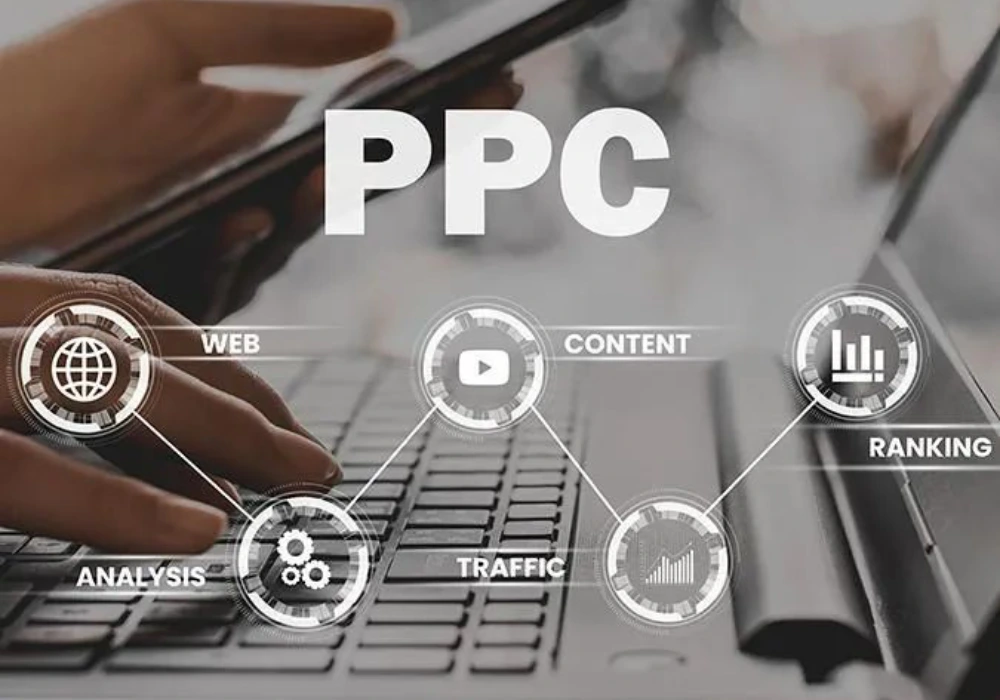
What Is Ad Fatigue in PPC Advertising?
An ad that performed strongly for months can start declining for no obvious external reason. No new competitors, no algo...
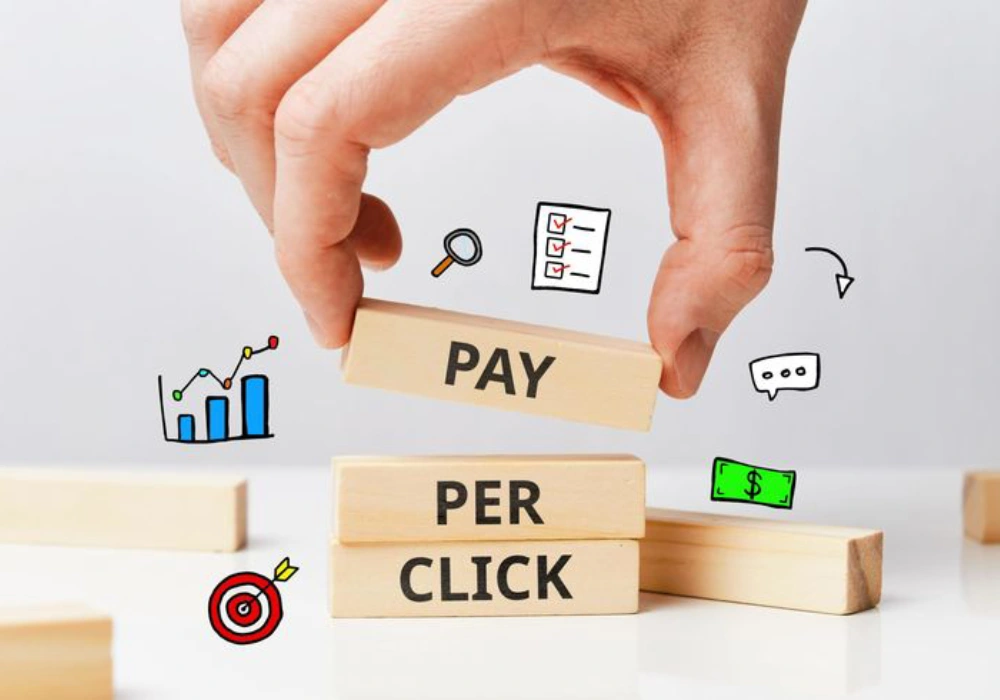
How Can You Scale a Profitable PPC Campaign?
Finding a genuinely profitable PPC campaign is hard. Scaling it without breaking what made it profitable in the first pl...

Should You Bid on Your Own Brand Name?
It seems wasteful on the surface. Why pay for a click on your own business name when your website already ranks first or...

How Do Competitor Ads Affect PPC Performance?
Your PPC campaign can stay completely unchanged, same keywords, same bids, same ad copy, and still see performance shift...
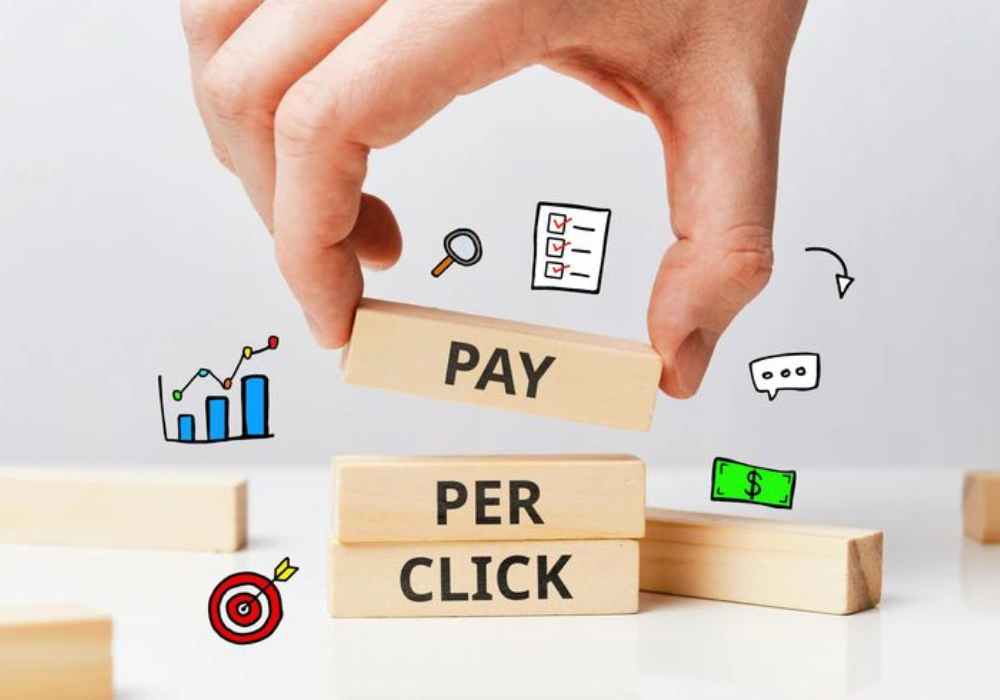
What Is Auction Insights in Google Ads?
Most Google Ads reports tell you how your own campaigns performed. Auction Insights is different, it's one of the few re...

