


Blog
PPC in Digital Marketing: Unlocking Advertising Success
Want a Quick Summary?
Summarize this article instantly with ChatGPT.
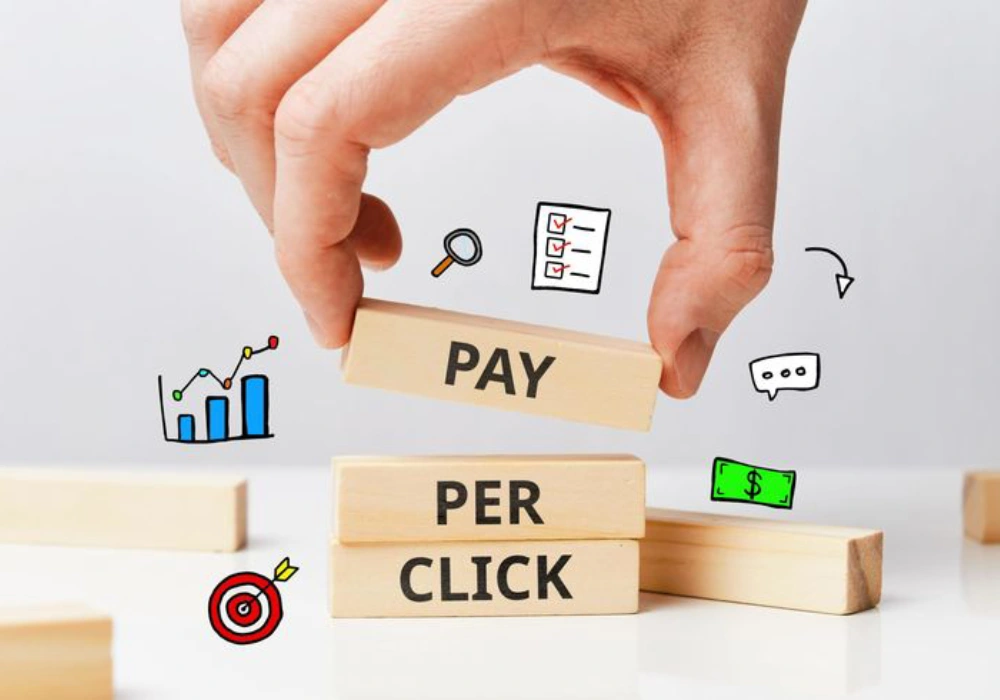
Pay-per-click (PPC) in digital marketing is a powerful advertising model that allows businesses to drive targeted traffic to their websites. By paying for clicks on their ads, companies can reach potential customers actively searching for their products or services. This method offers immediate visibility and measurable results, making it an essential component of modern marketing strategies.
In the realm of digital marketing, PPC plays a crucial role in helping brands like BrandStory connect with their audience. It leverages platforms such as Google Ads and social media to display ads to users based on their search intent and interests. As a result, businesses can effectively allocate their marketing budgets and achieve higher conversion rates.
Understanding PPC in digital marketing is vital for any business looking to enhance its online presence. This approach not only boosts visibility but also allows for precise targeting and tracking of advertising performance. By analyzing data from PPC campaigns, marketers can refine their strategies and maximize return on investment, ensuring that their efforts align with business goals.
How PPC Drives Success in Digital Marketing
PPC in digital marketing serves as a vital tool for businesses aiming to increase their online visibility and drive targeted traffic. By utilizing pay-per-click advertising, marketers can effectively place their ads in front of potential customers at the right moment, maximizing the chances of conversion. The mechanism behind PPC involves bidding on keywords relevant to the target audience, ensuring that ads appear prominently in search results or on social media platforms. This approach not only enhances brand awareness but also allows for precise tracking of campaign performance, enabling marketers to fine-tune their strategies for optimal results.
Understanding how PPC works is crucial for anyone involved in digital marketing. When a user searches for a specific term, the PPC system evaluates the bids placed by advertisers and determines which ads to display based on relevance and bid amount. This competitive environment ensures that businesses can reach their audience effectively while only paying for actual clicks. The impact of PPC extends beyond immediate traffic; it also contributes to long-term brand recognition and customer engagement, making it an essential component of a comprehensive digital marketing strategy.
The impact of PPC in digital marketing cannot be overstated. It provides businesses with a cost-effective way to gain visibility and attract potential customers. By leveraging data analytics, marketers can assess the effectiveness of their PPC campaigns in real-time, allowing for immediate adjustments to improve performance. This responsiveness is key in today's fast-paced digital landscape, where consumer preferences can shift rapidly. Thus, mastering PPC strategies is fundamental for any digital marketer looking to stay ahead of the competition and achieve sustainable growth.
Maximizing PPC Campaign Success
To maximize the benefits of PPC in digital marketing, it's essential to start with a clear understanding of your target audience. Tailoring your campaigns to meet their specific needs and preferences can significantly enhance engagement and conversion rates. Additionally, utilizing A/B testing allows you to refine your ad copy and visuals, ensuring they resonate with your audience. Monitoring performance metrics regularly is crucial; this enables you to adjust bids, optimize keywords, and allocate budget effectively to achieve the best results.
Key Strategies for Effective PPC
Another effective strategy in PPC for digital marketing is leveraging remarketing techniques. By targeting users who have previously interacted with your brand, you can increase the likelihood of conversions. Crafting compelling ad copy that highlights unique selling points and creating urgency can further entice potential customers. Furthermore, integrating PPC campaigns with other digital marketing efforts, such as content marketing and social media, can create a cohesive strategy that drives better results.
Utilizing geographic and demographic targeting in your PPC campaigns can significantly enhance their effectiveness. By focusing on specific locations and audience segments, you can ensure that your ads reach those most likely to convert. Additionally, employing negative keywords helps prevent your ads from showing up in irrelevant searches, thereby optimizing your budget. Continuous learning and adaptation to industry trends can also give you a competitive edge in PPC advertising.
Techniques for Optimizing PPC Ads
To further improve your PPC campaigns, consider incorporating automated bidding strategies. These tools can help you make data-driven decisions in real time, adjusting bids based on competition and performance. Additionally, regularly reviewing and updating your keyword list is vital; removing underperforming keywords and adding new ones can keep your campaigns fresh and effective. Engaging with customer feedback and insights can also guide your PPC strategy for enhanced outcomes.
Core Elements of a PPC Strategy
Another key strategy in maximizing PPC benefits is analyzing competitors' campaigns. Understanding their strengths and weaknesses can help you identify opportunities for differentiation. Utilizing tools to track competitor keywords and ad placements can provide valuable insights for your own campaigns. Additionally, focusing on ad extensions, such as site links and callouts, can improve your ad visibility and click-through rates, ultimately driving more traffic to your site.
Leveraging Automation in PPC
Finally, creating a comprehensive PPC strategy that aligns with your overall business goals is crucial. Setting clear objectives, such as brand awareness or lead generation, will guide your campaign decisions. Regularly assessing your results against these goals allows for timely adjustments and improvements. Collaborating with your marketing team can ensure that your PPC efforts support broader initiatives, ultimately enhancing your digital marketing strategy.
Evaluating PPC Performance Metrics
In conclusion, maximizing the benefits of PPC in digital marketing requires a multifaceted approach. From understanding your audience to leveraging advanced tools and techniques, each element plays a critical role in your campaign's success. By continuously optimizing your strategies and staying informed about industry trends, you can enhance your PPC efforts and achieve your marketing goals effectively.
Common Misconceptions About PPC in Digital Marketing
One common misconception about PPC in digital marketing is that it guarantees immediate results. While PPC can drive traffic quickly, success requires ongoing optimization and strategy adjustments to maximize return on investment.
Debunking Myths Surrounding PPC Strategies
Another myth is that PPC is only effective for large businesses with big budgets. In reality, small and medium-sized enterprises can also benefit from well-targeted PPC campaigns that focus on niche markets and specific customer segments.
Addressing Challenges in PPC Implementation
Many believe that once a PPC campaign is launched, it runs itself. However, continuous monitoring and adjustments are essential to enhance performance, adapt to market changes, and respond to competitor actions.
Recognizing Barriers to Effective PPC
Some marketers think that PPC is only about bidding on keywords. While keyword selection is vital, crafting compelling ad copy and landing pages is equally important for converting clicks into customers.
Essential Resources for PPC Success
A prevalent misconception is that PPC is too complex for beginners. However, many user-friendly platforms and resources are available that can help newcomers effectively navigate and manage their campaigns.
Effective Tools for Managing PPC Campaigns
Lastly, there is a belief that PPC is not worth the investment in the long term. Yet, when executed correctly, PPC can provide valuable insights into consumer behavior and preferences, making it a crucial part of a comprehensive digital marketing strategy.
Integrating PPC into Digital Marketing
Integrating PPC in digital marketing is essential for achieving targeted results. By aligning your PPC campaigns with broader marketing strategies, you can ensure that your ads reach the right audience at the right time. Start by defining clear goals for your PPC efforts, whether it's increasing brand awareness, generating leads, or driving sales. Next, utilize data analytics to inform your ad placements and bidding strategies. This will help you optimize your budget and maximize ROI. Regularly review campaign performance and adjust your strategies based on what works best for your target audience. Remember, successful integration requires ongoing testing and refinement to stay ahead in the competitive digital landscape.
Effective PPC Strategies for Growth
To effectively integrate PPC into your overall digital marketing strategy, begin by identifying your target market and their behaviors. Use this information to tailor your ads and choose the right platforms. Consider how PPC can complement other channels, such as SEO and social media, to create a cohesive marketing approach. For instance, using PPC to promote content can drive traffic while enhancing SEO efforts. It's crucial to maintain consistent messaging across all platforms to strengthen brand recognition. Additionally, leverage remarketing strategies to re-engage users who have previously interacted with your brand, further enhancing your PPC campaign's effectiveness.
Incorporating PPC in Your Marketing Plan
When integrating PPC in digital marketing, collaboration between teams is key. Ensure that your PPC specialists work closely with content creators and social media managers to create unified campaigns. This collaboration can lead to more engaging ad copy and visuals that resonate with your audience. Utilize analytics tools to track the performance of your PPC ads alongside other marketing efforts. This holistic view allows you to make data-driven decisions and adapt your strategies as needed. Furthermore, consider seasonal trends and market changes when planning your PPC initiatives to ensure they remain relevant and effective.
Boosting Your Strategy with PPC Insights
Incorporating PPC into a broader digital marketing strategy requires a strategic approach. Start by analyzing your current marketing efforts and identifying gaps where PPC can add value. Develop a clear budget that allows for flexibility in your PPC spending, enabling you to capitalize on opportunities as they arise. Use A/B testing to experiment with different ad formats and messaging to see what resonates best with your audience. This ongoing optimization process will help you refine your campaigns and achieve better results over time. Always be ready to pivot your strategies based on performance data and market feedback.
Aligning Keywords with PPC Campaigns
To successfully integrate PPC in digital marketing, focus on aligning your PPC goals with your overall marketing objectives. This alignment ensures that your ads support your broader business aims. Regularly assess the performance of your PPC campaigns in relation to other digital marketing efforts, such as email marketing and social media outreach. Use the insights gained from these assessments to adjust your campaigns accordingly. Additionally, consider the customer journey when designing your PPC ads, ensuring they provide value and encourage engagement at each stage. By doing so, you can create a seamless experience that drives conversions.
Successful PPC Campaigns in Digital Marketing
One notable example of successful PPC in digital marketing is the campaign run by a leading e-commerce brand that focused on targeted keywords. By strategically selecting high-intent keywords, they increased their click-through rate by 40% within the first month. This targeted approach not only boosted traffic but also significantly improved conversion rates, demonstrating the effectiveness of tailored PPC strategies.
Key Tools for PPC Success
A tech startup leveraged PPC in digital marketing to launch a new product. Their campaign included compelling ad copy and eye-catching visuals, resulting in a 50% increase in product inquiries. By analyzing user behavior and adjusting their bids accordingly, they optimized their ad spend and achieved a remarkable return on investment within weeks.
PPC Success Stories from the Field
In the competitive travel industry, a well-known agency utilized PPC strategies to capture potential customers' attention during peak seasons. By employing remarketing tactics, they re-engaged users who had previously visited their site, leading to a 30% increase in bookings. This case highlights how PPC can effectively drive conversions by targeting warm leads.
Choosing the Right PPC Platforms
A local service provider implemented a PPC campaign focusing on geo-targeting to attract customers in their immediate area. By optimizing their ads for local keywords, they experienced a 60% increase in calls and inquiries. This case demonstrates the power of location-based PPC strategies in driving local business growth.
Enhancing PPC with Research Techniques
A health and wellness brand successfully executed a PPC campaign that emphasized seasonal promotions. By aligning their ads with holidays and events, they saw a significant spike in online sales, achieving a 70% increase during the promotional period. This example underscores the importance of timing and relevance in PPC advertising.
Essential Tools for PPC Management
Effective management of PPC campaigns hinges on utilizing the right tools and platforms. For marketers, platforms like Google Ads and Bing Ads are essential for creating and optimizing ad campaigns. Additionally, analytics tools such as Google Analytics provide crucial insights into campaign performance, helping to refine strategies. Ad management software like WordStream and SEMrush can streamline the process, offering features that simplify keyword research and bid management. Social media advertising tools, including Facebook Ads Manager and LinkedIn Campaign Manager, are also integral, enabling marketers to reach targeted audiences across multiple channels. By leveraging these tools, businesses can enhance their PPC efforts and achieve better results in the competitive digital landscape.
Top Resources for Effective PPC Campaigns
To effectively manage PPC campaigns, digital marketers should consider utilizing a combination of analytics and ad management tools. Google Ads remains a cornerstone for PPC advertising, allowing for precise targeting and budget control. Complementing this, tools like Ahrefs and Moz can assist in keyword research and competitive analysis, ensuring campaigns are well-informed and strategically sound. Additionally, automation platforms such as AdEspresso streamline ad creation and optimization across various platforms, making it easier to manage multiple campaigns simultaneously. These tools collectively empower marketers to maximize their PPC investments and drive meaningful traffic to their websites.
PPC Tools for Campaign Optimization
In the realm of PPC management, choosing the right tools can make all the difference. Google Ads is essential for launching and managing campaigns, while platforms like HubSpot can integrate PPC efforts with broader marketing goals. Additionally, using tools like Unbounce for landing page optimization can significantly improve conversion rates from PPC traffic. For those looking to enhance their reporting capabilities, platforms such as Tableau can visualize campaign performance data, providing actionable insights. By selecting a robust toolkit, marketers can effectively navigate the complexities of PPC advertising and optimize their outcomes.
Resources for Creating PPC Ads
Managing successful PPC campaigns requires a strategic approach to tool selection. Google Ads and Microsoft Advertising are fundamental for creating targeted ads, but integrating tools like ClickCease can help protect against click fraud, ensuring ad budgets are spent wisely. Furthermore, platforms like Hootsuite can assist in managing social media PPC campaigns, while tools like SpyFu can provide insights into competitor strategies. By employing a diverse array of tools, marketers can not only enhance their PPC management but also achieve a more comprehensive view of their advertising effectiveness.
Tools for Boosting PPC Performance
The landscape of PPC campaign management is enriched by a variety of essential tools. Google Ads serves as a primary platform for ad creation and management, while tools like SEMrush offer comprehensive keyword research capabilities. Additionally, utilizing software like Optmyzr can automate routine tasks, allowing marketers to focus on strategy rather than execution. Integrating analytics platforms, such as Google Data Studio, can also enhance reporting, making it easier to track performance metrics. By harnessing these tools, businesses can streamline their PPC efforts and achieve superior results.
Incorporating PPC into Marketing Strategies
Integrating PPC in your overall marketing strategy can significantly enhance your visibility and drive targeted traffic. By aligning your PPC campaigns with your broader marketing goals, you can create a cohesive approach that maximizes your advertising spend. Start by defining clear objectives for your PPC efforts, such as increasing brand awareness or generating leads. Then, ensure that your ad messaging aligns with your overall branding to create a unified customer experience.
Incorporating PPC into Your Marketing Strategy
Next, consider how PPC can complement other channels like SEO, social media, and email marketing. Use insights from your PPC campaigns to inform your content strategy and optimize your website for conversions. Regularly analyze your PPC performance data to adjust your campaigns in real-time, ensuring that you're always aligned with your marketing objectives.
Blending PPC with Digital Marketing
Furthermore, leverage automation tools to streamline your PPC management. This will allow you to focus on strategic decisions rather than getting bogged down by day-to-day tasks. Automation can help you optimize bids, manage budgets, and analyze performance efficiently.
PPC Strategies for Marketing Success
Finally, remember to continuously test and iterate on your PPC campaigns. A/B testing different ad variations can reveal what resonates best with your audience, enabling you to refine your approach and achieve better results over time.
Optimizing Marketing with PPC
By effectively integrating PPC into your marketing strategy, you can enhance your overall digital presence and achieve your business objectives more efficiently.
The Role of Automation in PPC Management
Automation has become a game-changer in managing PPC in digital marketing. By leveraging automated tools, marketers can streamline their campaigns, optimize bids, and analyze performance metrics in real time. This efficiency not only saves time but also ensures that budgets are allocated wisely, maximizing return on investment.
The Role of Automation in PPC Management
With automation, PPC campaigns can be adjusted instantly based on performance data. This means that strategies can be refined continuously, allowing marketers to respond to market changes and user behavior swiftly. Automated rules can trigger adjustments to bids or budgets, ensuring campaigns remain competitive without constant manual oversight.
Enhancing PPC Efficiency with Automation Tools
Furthermore, automation facilitates A/B testing at scale, enabling marketers to experiment with different ad creatives, keywords, and targeting options. This capability leads to more informed decisions based on comprehensive data analysis, ultimately enhancing the effectiveness of PPC campaigns.
Leveraging Automation for Effective PPC Campaigns
As businesses increasingly rely on digital channels, integrating automation into PPC strategies is essential. It empowers marketers to focus on strategic planning and creative development while leaving the repetitive tasks to technology, thereby improving overall campaign performance and efficiency.
Enhancing PPC Performance with Automation
Implementing automation in PPC campaigns not only improves efficiency but also enhances accuracy. By minimizing human error and ensuring consistent application of strategies, marketers can achieve better alignment with their overall digital marketing goals. Embracing these automated solutions is crucial for staying ahead in the competitive landscape of digital advertising.
When to Revise Your PPC Strategies
Revising your PPC strategies is crucial for maintaining effectiveness in digital marketing. Regularly assess your campaign performance metrics, such as click-through rates and conversion rates, to identify areas needing improvement. If certain keywords aren't performing well, consider adjusting your bids or reallocating your budget to higher-performing ads. Additionally, keep an eye on market trends and competitor strategies, as shifts in the landscape may necessitate changes to your approach. Regular reviews ensure your PPC efforts align with your overall marketing goals and audience needs.
Timing for Updating PPC Approaches
To optimize your PPC campaigns, schedule regular reviews to assess performance. If you notice a decline in engagement or conversion rates, it may be time to revise your strategies. Analyze which keywords are driving traffic and which are underperforming. Consider experimenting with different ad formats or targeting options to enhance reach. Seasonal trends can also impact PPC effectiveness, so be prepared to adjust your campaigns accordingly. Staying proactive in your strategy revisions will help maximize your return on investment in digital marketing.
Identifying Moments to Refresh PPC Tactics
Knowing when to revise your PPC strategies is essential for achieving optimal results. Monitor your campaign's performance data closely; if you observe stagnant or declining performance, it's time to evaluate your approach. Adjusting ad copy, targeting settings, or even your budget allocation can lead to significant improvements. Additionally, consider A/B testing different ads to see which resonates better with your audience. By continually refining your PPC tactics, you can ensure that your digital marketing efforts remain effective and relevant.
Assessing When to Change Your PPC Strategies
Revising your PPC strategies should be a regular part of your digital marketing routine. Look for signs such as increased costs per click or reduced conversion rates that indicate a need for change. Experiment with new keywords or modify your ad copy to better attract your target audience. Seasonal changes or shifts in consumer behavior may also warrant adjustments. By staying attuned to your campaign's performance and the broader market, you can make informed decisions that enhance your PPC effectiveness.
Common Mistakes in PPC Campaigns
In the realm of PPC in digital marketing, many advertisers fall into common pitfalls that can hinder their campaign success. One prevalent mistake is neglecting thorough keyword research. Without identifying the right keywords, your ads may not reach the intended audience, leading to wasted ad spend. Additionally, not regularly reviewing and optimizing your ad copy can result in stagnant performance. It's essential to test different versions of your ads to find what resonates best with your audience. Another mistake is failing to set clear goals for your PPC campaigns. Without specific, measurable objectives, it's challenging to assess your campaign's effectiveness. Lastly, overlooking the importance of negative keywords can lead to irrelevant traffic, draining your budget without delivering results. By recognizing and addressing these common mistakes, you can enhance your PPC strategies and achieve better outcomes.
Avoiding PPC Budget Overruns
When managing PPC in digital marketing, avoiding certain missteps can significantly improve your results. One common error is underutilizing ad extensions. These features can enhance your ad's visibility and provide additional information to potential customers, often improving click-through rates. Another frequent mistake is setting a low daily budget without considering the competitive landscape. This can limit your ad exposure, especially in highly competitive markets. Additionally, advertisers often underestimate the importance of landing page optimization. If your landing page does not align with the ad's promise, users are likely to bounce, resulting in wasted clicks. Lastly, neglecting to analyze campaign performance data can prevent you from identifying what works and what doesn’t. Learning from these mistakes is crucial for refining your PPC approach.
Key Mistakes in PPC Ad Targeting
In the competitive world of PPC in digital marketing, avoiding common mistakes can set your campaigns apart. A typical error is failing to segment your campaigns effectively. By not creating separate campaigns for different products or services, you miss the opportunity to tailor your messaging and bidding strategies. Another mistake is relying solely on automated bidding strategies without understanding their impact. While automation can save time, it's crucial to monitor performance and make adjustments as necessary. Additionally, many marketers forget to implement conversion tracking, which is vital for measuring the success of your campaigns. Without this data, optimizing your ads becomes a challenge. By addressing these issues, you can significantly enhance your PPC performance.
Critical Factors for PPC Success
To excel in PPC in digital marketing, it’s vital to steer clear of common pitfalls. One of the biggest mistakes is ignoring the importance of ad relevance. If your ads do not closely match the keywords they target, you may experience lower Quality Scores and higher costs per click. Another critical error is not utilizing remarketing strategies. Failing to re-engage users who have previously interacted with your site can result in lost opportunities. Additionally, many advertisers overlook the significance of A/B testing their ad elements, such as headlines and CTAs. This testing is essential for determining what drives the highest engagement. Lastly, not keeping up with industry trends can leave your campaigns outdated. By being aware of these common mistakes, you can improve your PPC strategies and drive better results.
Tips for Crafting High-Converting PPC Ads
Creating impactful PPC ads requires a blend of creativity and strategy. Start by defining your target audience clearly, ensuring your ads speak directly to their needs and interests. Use compelling visuals and concise, action-oriented language to grab attention. Incorporate relevant keywords naturally into your ad copy to improve visibility and relevance. Testing different ad variations can help identify what resonates best with your audience. Finally, monitor performance metrics regularly to refine your approach and maximize conversions.
To craft effective PPC ads that convert, focus on strong calls to action that encourage users to click. Highlight unique selling points that differentiate your offer from competitors. Utilize A/B testing to experiment with different headlines and descriptions, allowing data to guide your decisions. Ensure your landing pages align closely with your ad content for a seamless user experience. Lastly, stay updated on PPC trends to adapt your strategies and maintain a competitive edge in digital marketing.
Best Practices for PPC in Digital Marketing
To maximize the effectiveness of PPC in digital marketing, it's essential to focus on keyword research, ensuring that your chosen keywords align with your audience's search intent. Regularly updating your keyword list can help you stay ahead of trends and shifts in consumer behavior. Additionally, consider implementing A/B testing for your ad copies to determine which messages resonate best with your target demographic.
Another best practice is to optimize your landing pages for conversions. Ensure that the content on your landing pages is relevant to your PPC ads, providing a seamless experience for users. This includes fast loading times, mobile optimization, and clear calls-to-action that guide users toward the desired action.
Utilizing negative keywords is a crucial strategy in PPC campaigns. By identifying and excluding keywords that do not convert, you can improve your ad targeting, reduce wasted spend, and increase your overall return on investment. This helps in focusing your budget on high-performing keywords that drive valuable traffic.
Lastly, track and analyze your PPC campaign performance consistently. Use analytics tools to measure metrics such as click-through rates, conversion rates, and cost per acquisition. This data will inform your future strategies and help you adjust your campaigns for better results in the competitive landscape of digital marketing.


Are You Looking for Growth?
Free instant digital marketing audit and improve performance.
Get Graded Today
Transform Your Digital Growth with BrandStory
From SEO, PPC, social media marketing, and content marketing to website development, branding, and lead generation, BrandStory delivers result-driven digital marketing services in Dubai and across the UAE, helping businesses attract, engage, and convert more customers.
Trusted by 1000+ leading brands in Dubai and globally including:




Related Blogs
.webp)
Mastering Social Media for Business Growth with BrandStory
Effective online platforms are crucial for businesses aiming to thrive in today's digital landscape. They offer an immed...
PPC Conversion Rate: A Detailed Guide
Improving your PPC conversion rate is vital for businesses aiming to maximize their online advertising efforts. A high c...

The Indispensable Role of a PPC Consultant for Business Growth
In today's dynamic digital landscape, a skilled PPC consultant is essential for businesses aiming to thrive. They offer ...
Why Partner with a PPC Campaign Management Company
In today's competitive digital marketplace, effective PPC (Pay-Per-Click) campaign management is crucial for businesses ...

PPC Campaign Management: Guide to Business Growth
Effective PPC campaign management is vital for businesses thriving in today's competitive digital landscape. It offers a...

PPC Bid Management: How to Maximize Campaign Performance
Effective ppc bid management is crucial for any business aiming to succeed in the competitive digital arena. It ensures ...





BrandStory is a premier digital transformation agency in Dubai. We excel in digital marketing, web design, and branding expertise to help UAE-based businesses connect, expand, and succeed.

