


Blog
Boost Your SEO with Smart Internal Linking Techniques
.jpg)
Want a Quick Summary?
Summarize this article instantly with ChatGPT.
Internal linking is one of the most underrated yet effective methods for amplifying the performance of your website in this fast-paced SEO landscape. Backlinks and keyword optimization often bask in the limelight, whereas internal linking works to lay the groundwork through which search engines come to understand, crawl, and rank your website. In fact, Google has placed much emphasis on the importance of internal linking in visibility and authority enhancement.
The following blog shall discuss the significance of internal linking, its impact on search engine optimization, and practical ideas to fully exploit its positive potential.
What is Internal Linking?
Internal linking refers to the practice of hyperlinking one page of your website to another page within the same domain. Unlike external links (which point to other websites), internal links keep the user within your site, guiding them to related or complementary content.
For example, a blog post on "on-page SEO" might include links to an article on "meta tags" "keyword research" or "content optimization." It weaves through an interconnected network that provides a better user experience while also signaling to search engines.
Why Is Internal Linking Crucial for SEO?

Improves Accessibility and Indexing
Google and other search engines employ sophisticated tools to access and index websites. A good internal linking structure allows these robots to navigate freely through newly created pages and evaluate how they relate to other relevant content. As recent findings by Google suggest, internal links prevent pages from being orphaned and increase the chances for content to be indexed.
Distributes Page Authority (Link Equity)
Each web page has a specific authority or percentage of "link juice." Internal linking serves to distribute this authority across your entire site. Linking to new or important content from established high authority pages (such as a homepage or popular blogs) passes SEO value. In this way, this helps lift the ranking potential of pages that are not well-known or sit deeper in the hierarchy.
Enhances User Experience
Such an internal linking strategy would smooth navigation through the site, thus guiding users to related content. The longer visitors linger on the website and the more pages they peruse, the better the engagement metrics that can be indirectly influenced by the higher ranking (for example: bounce rate, session duration, and page views).
Improves Keyword Relevance
Internal links usually employ anchor text (the clickable text) that offers context concerning the linked page. Use of keyword-rich anchor texts in an appropriate manner thus communicates with search engines the topic and relevance of the destination page.
Supports Content Strategy and Site Architecture
Internal links help maintain a logical hierarchy of content. Whether through topic clusters, pillar pages, or blogs, they are what hold your content strategy together and preserve topical relevance on the website.
Best Practices for Effective Internal Linking
Now that we understand the benefits, let’s dive into practical strategies to strengthen your internal linking structure:

Use a Hierarchical Site Structure
Put your website design so that there is an obvious hierarchy between the homepage, category pages, and individual articles. This helps search engines in rating the importance of those pages. Internal linking should reflect this hierarchy by linking from higher-level pages to detailed content and vice versa.
Link to Relevant and Contextual Content
Internal linking makes way for a good flow to strengthen viewer-oriented content. Therefore, in the setup for SEO linking, the linked content should carry value-added information or elaboration on the theme.
Optimize Anchor Text
The anchor text should be descriptive and keyword-rich without sounding like spam. Stay away from generic phrases such as "click here" or "read more." Instead, anchor text should narrow down the subject of the linked page, for example, "beginner's guide to SEO" or "technical audit checklist.”
Update Old Content with New Links
Go back to your existing blogs or pages and update them with links to newer content. This keeps your content fresh and also helps your latest posts get indexed and ranked faster.
Avoid Overstuffing with Links
Internal linking is indeed excellent, but too many links on one page are likely to confuse users and search engines alike. Stick with a reasonable number: say, upwards of 3 to 5 for short posts, and much longer pieces could have 10 or more.
Create Pillar Content and Topic Clusters
Build comprehensive, long-form articles (pillar pages) that serve as hubs for broader topics. Then, create supporting blogs (cluster content) around subtopics and link them together. This structure not only aids SEO but also establishes you as an authority in your niche.
Common Mistakes to Avoid
While internal linking is a powerful SEO tool, improper implementation can hurt more than help. Watch out for these common pitfalls:
Orphaned Pages: Pages with no internal links leading to them are difficult for search engines to find and index. Ensure every page is connected to at least one other page.
Broken Link: Broken links, defined as internal links that resolve to a 404 error, bring in a poor user experience and affect accessibility. Screaming Frog or Ahrefs are great tools for performing periodic checks on your site.
Over-Optimization: Keyword stuffing or excessive linking in one paragraph might be viewed by Google as spam. Be natural.
How Google Views Internal Linking

John Mueller from Google has consistently emphasized that internal linking is “supercritical for SEO.” So, the outline is:
- Internal links help Google understand site structure.
- Strategic linking can boost underperforming pages.
- Good internal linking can drive faster crawling and better ranking.
This makes it evident that internal linking is more than just a navigational tool- it’s a core SEO strategy endorsed by Google itself.
Tools to Help You Build an Internal Linking Strategy
To manage and scale your internal linking efforts, here are a few tools worth considering:
- Yoast SEO (WordPress plugin): Offers internal linking suggestions while writing.
- Ahrefs Site Audit: Identifies orphaned pages and broken links.
- Screaming Frog SEO Spider: Useful for large-scale audits of internal links.
- Link Whisper (Premium WordPress Plugin): Automates internal link suggestions intelligently.
- SEMRush Site Audit Tool: Highlights issues like excessive linking or link depth.
Conclusion: Build SEO from the Inside Out
To the extent that backlinks from other websites might be the necessary "votes of confidence," internal linking would be the glue holding together the content ecosystem. Internal linking is one of the few SEO practices under your complete control, and if implemented correctly, it can boost the visibility, usability, and authority of your site.
Using internal links in a strategic manner while optimizing the anchor text and maintaining a site hierarchy can set a clear path for users and search engines toward the more valuable pages of your website. Therefore, when you blog or change any pages of your site, keep an eye on the internal links- there are some of your strongest chances for SEO.
Time to work your magic on SEO for your site?
Mapping out the internal linking structure helps you witness a remarkable difference in rankings and user experience. BrandStory UAE is the best SEO agency in Dubai to help you with strategic internal linking practices.

Madhavan A
Madhavan A is a digital marketing expert with a strong SEO specialisation, bringing 8+ years of hands-on experience in driving organic growth and search visibility. He focuses on building data-driven strategies, optimising content performance, and delivering measurable results across competitive digital landscapes.

Are You Looking for Growth?
Free instant digital marketing audit and improve performance.
Get Graded Today
Transform Your Digital Growth with BrandStory
From SEO, PPC, social media marketing, and content marketing to website development, branding, and lead generation, BrandStory delivers result-driven digital marketing services in Dubai and across the UAE, helping businesses attract, engage, and convert more customers.
Trusted by 1000+ leading brands in Dubai and globally including:




Related Blogs
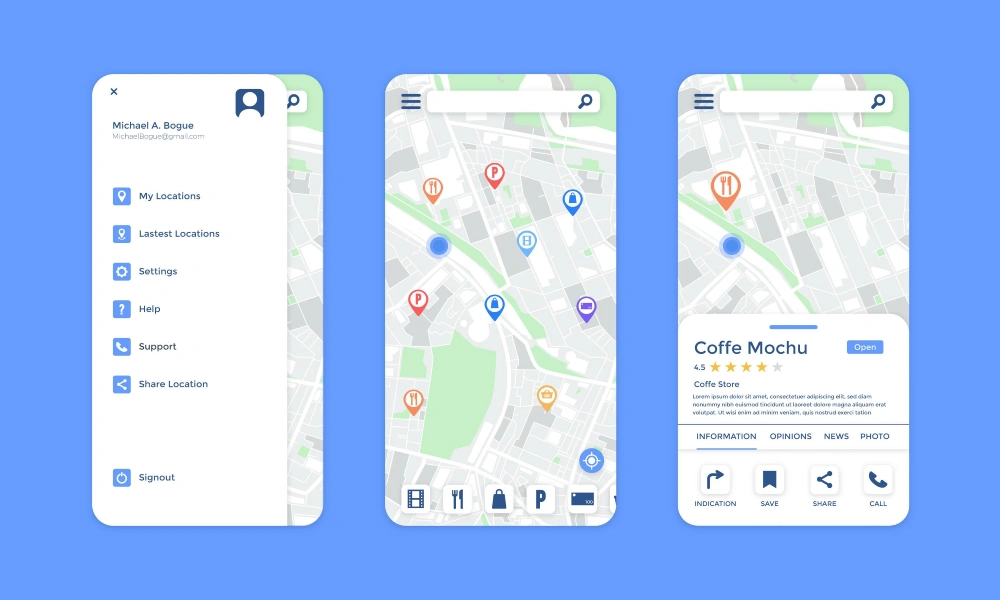
Hyperlocal Marketing in Dubai: Dominate Neighbourhood
A customer in Jumeirah searching for "best breakfast near me" does not care about a cafe in Deira. A family in Arabian R...
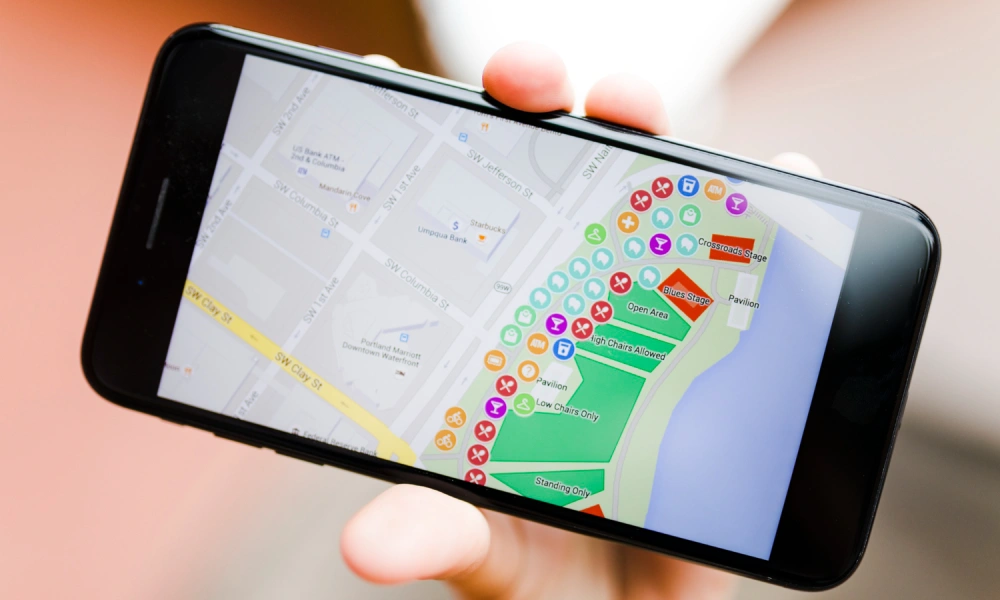
Google Business Profile SEO Explained: A Detailed Guide
When someone in Dubai searches "coffee shop near me" or "AC repair in Sharjah," Google shows a list of local businesses....

Local SEO for Real Estate: Most Practical Strategy for 2026
The property market runs on trust and trust today starts with a Google search.When a buyer types "apartments for sale in...
.webp)
What Does a Local SEO Agency Do? Does Your UAE Business Need One
Picture this. Someone is standing in Business Bay, hungry for lunch, and types "best restaurant near me" into Google. Wi...

Affordable SEO Services: Costs, Benefits & SEO Packages Dubai
Every business owner in the UAE wants the same thing from SEO: results without waste. The challenge is that the market i...

What Does an SEO Specialist Do? A Complete Guide for UAE Businesses
When your competitor's website appears in position one on Google and yours doesn't, someone made that happen. That someo...





BrandStory is a premier digital transformation agency in Dubai. We excel in digital marketing, web design, and branding expertise to help UAE-based businesses connect, expand, and succeed.

